


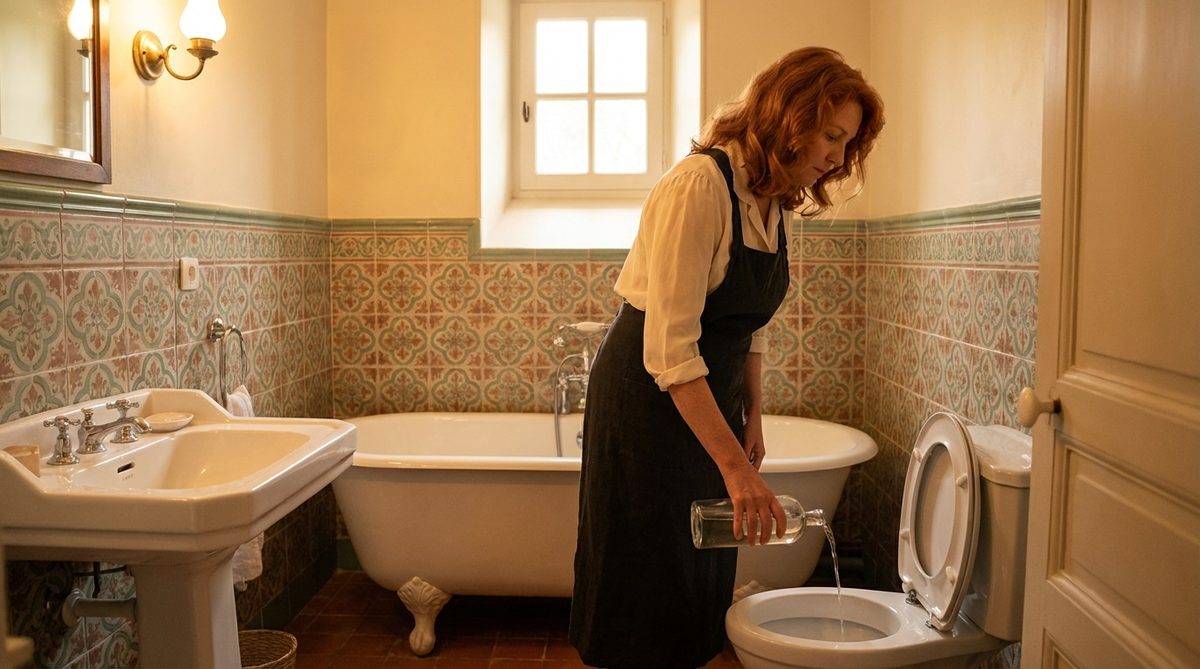
Water rising in the bowl is panic-inducing. You pull the handle. Nothing happens. The level creeps up. It feels like a flood is imminent.
Don’t run to the hardware store. Don’t buy harsh chemical drain cleaners. Those products cost money. They damage pipes. They pollute the groundwater. And they often fail when the blockage is stubborn.
The answer is likely in your kitchen sink.
Look at the dish soap dispenser. That colorful liquid isn’t just for grease on pans. It has physical properties that can resolve this sanitary nuisance. Before you call a professional, try this simple, gentle fix.
Why Dish Soap Works for Clogged Toilets
Most households reach for a plunger or industrial gel first. These are heavy-handed solutions. Dish soap is an alternative worth testing first.
The formula is designed to attack organic matter. This makes it ideal for light clogs in toilets. It doesn’t damage your plumbing. It doesn’t harm the environment.
Think about the properties involved. Soap is a lubricant. It reduces friction. When water meets soap, the mixture becomes slippery. This slipperiness helps move debris.
This method is a smart alternative. It is especially useful in February. You want to stay warm. You don’t want to manage plumbing emergencies in the cold.
The Step-by-Step Protocol
You need two ingredients. Dish soap. Hot water.
The process is straightforward. Follow these steps carefully.
-
Add the Soap. Pour about one cup of liquid dish soap directly into the toilet bowl. Make sure it goes under the water line if possible. This ensures the soap reaches the clog.
-
Wait. Do not touch anything for ten to twenty minutes. Let the soap work. It needs time to break down the organic blockage. It acts as a lubricant. It softens the material causing the stop.
-
Add Hot Water. Heat water from your tap. It should be hot, but not boiling. Boiling water can crack the porcelain. Pour the hot water into the bowl from waist height. The height adds a little pressure. This helps push the clog through.
-
Flush. Wait another fifteen minutes. Then flush the toilet. The clog should clear. If it doesn’t, repeat the process.
Safety and Tools
You don’t need special tools for this. Just a cup and some water.
Safety matters. Don’t use boiling water. It risks cracking the bowl. Don’t mix chemicals. Combining soap with store-bought drain cleaners can create dangerous fumes.
If the clog persists, you may need a plunger. Use a flange plunger for toilets. Create a good seal. Push and pull firmly. But try the soap method first. It is cheap. It is effective for minor blocks.
When to Call a Pro
This method works for light clogs. It relies on lubrication and time.
If the water doesn’t drop after two attempts, the blockage is likely deeper. It might be a solid object. It could be a tree root intrusion. Soap won’t fix that.
You might need a plumber. Or a auger. But start with the soap. It’s an easy win.
The kitchen holds the key. Sometimes the simplest solution is the most overlooked. You have the tools. You have the time.
Does the water go down? If yes, you
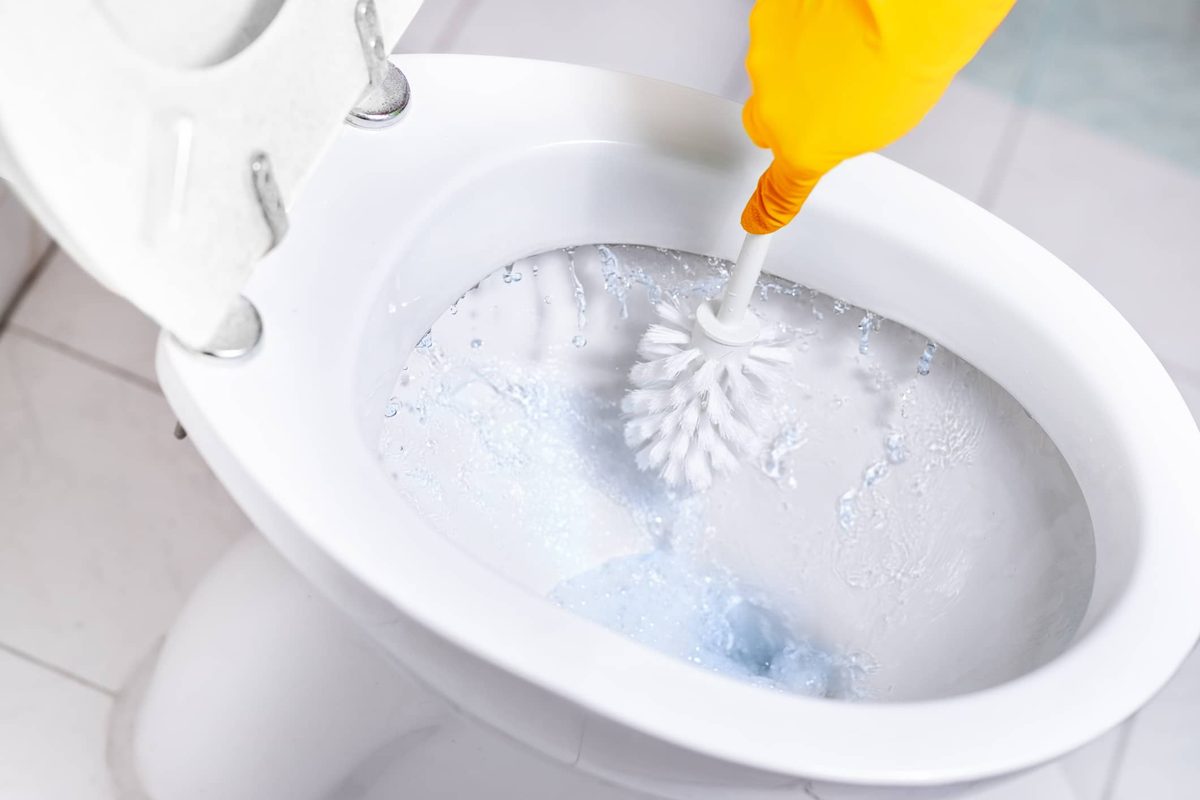

Don’t just dump the bottle. You need a method. The goal is physical reaction. You want to disaggregate the blockage. No violent mechanical action. Heat and soap work together. They soften the clog. Here is how to do it without breaking your toilet or your bank account.
The Step-by-Step Process
Start with about half a glass of dish soap. Pour it directly into the bowl. Let it sit alone. Ten to fifteen minutes. This gives the product time to sink. It needs to reach the obstruction.
Next, prepare a bucket of hot water. Tap water at its maximum heat is fine. Do not use boiling water. You can crack the ceramic.
Pour the water from waist height. Create slight pressure. But be gentle. You don’t want to overflow the bowl.
Patience is the key to success here. Rushing the water adds nothing. It might just dilute the soap before it coats the debris. If the water level doesn’t drop immediately, wait. Try again. It’s a method of softness. Opposite to the aggression of mechanical snakes or strong acids.
The Science of Slippery Surfaces
This works on basic physics and chemistry. Dish soap contains surfactants. These molecules reduce the surface tension of water. They dissolve grease. In a toilet pipe, the soap doesn’t eat the clog like sulfuric acid. It acts as a powerful lubricant.
It coats the pipe walls. It coats the clog itself. The soap infiltrates the gaps. It makes everything slippery. This facilitates the passage of stuck materials into the main drainage column. Think of it as a slide. Once you remove friction, gravity takes over.
Hot water plays a complementary role. Heat helps liquefy fatty residues. These residues often cement the clog together. Toilet paper and organic matter stick together. Heat makes this mixture more pliable. More mobile. This thermal and chemical synergy often clears the blockage. No physical effort required. You just help nature. You remove the anchor points.
This works well on clogs from excess paper or organic waste. It fails on solid objects. If a toy or a deodorizer block fell in, this won’t work.
Emergency Fix Before Calling a Pro
Every penny counts. Preserving the environment matters. This method is an ideal first aid solution. Hiring a plumber for a simple clog costs around a hundred euros. Add weekend or evening surcharges. Using what you have under the sink saves money. You solve the problem in an hour.
It also protects your plumbing. Chemical drain cleaners eat seals. They attack enamel. They disrupt the bacterial balance of septic tanks. Dish soap is relatively harmless to modern plumbing.
It’s also more eco-friendly. It limits toxic discharge into the sewage network. You don’t always need heavy artillery for daily troubles. If this fails after one or two attempts, the problem might be further down the line. Or it might be a different type of blockage. Then you need a professional. But for most superficial clogs, this DIY technique restores calm and hygiene. You don’t need complex or expensive solutions.
Diverting dish soap for sanitary emergencies is a low-cost trick. It should be known by everyone. Next time water threatens to overflow, keep your cool. Test this lubricating method. Or dial the plumber?


