


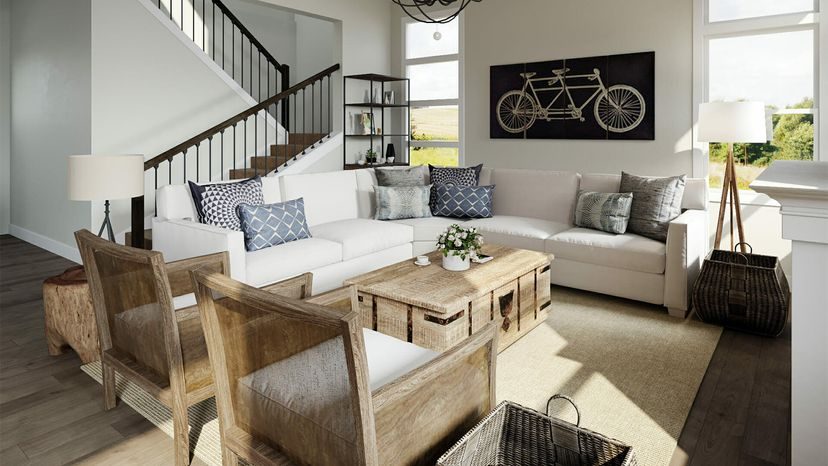
Farmhouse style isn’t just a trend. It’s a return to basics. A blend of rustic textures and vintage charm that feels like a warm hug. You see it in the distressed wood, the neutral palettes, and the mason jars lining open shelves. It evokes a sense of nostalgia for rural life. Simplicity. Comfort. That’s the core appeal.
Homeowners are tired of sterile minimalism. They want their houses to feel like homes again. Devin Shaffer, a lead designer for Decorilla, sees this shift daily. People are moving away from the cold, contemporary look. They crave warmth. They crave coziness. After years of stark modernism, the farmhouse style offers a welcome change of pace. It’s versatile. It’s livable. And it sticks.
Why Farmhouse Style Is Here to Stay
The demand for this aesthetic has spiked over the last five years. Clients don’t just want style points. They want their spaces to breathe. They want comfort mixed with modern sensibilities. It’s a hybrid approach. Traditional roots with a contemporary twist.
This doesn’t mean you need to gut your house. In fact, expecting a perfect, Joanna Gaines-level transformation overnight is a recipe for failure. Shaffer calls it a collection. It builds over time. You layer items. You find the right pieces. It takes months. Maybe more. But that slowness is part of the charm. It allows you to thrift, to DIY, to save money.
How to Start Building the Look
If you’re ready to dip your toe in, or go all in, you need to understand the components. Here is how you actually build this style without going broke.
Stick to Neutral and Natural Tones
Farmhouse interiors are soothing. Period. Walls should be white, beige, cream, or gray. These are your anchors. For accents, look to nature. Blues. Greens. Burgundies. Muted tones. Avoid bright yellow or lipstick red. They clash with the vibe. Stick to eggshell finishes. They reflect light softly without the harsh glare of high-gloss paints. The goal is calm. Not chaos.
Add Texture and Dimension
Flat walls are boring. They lack soul. Break them up with shiplap. Or wainscoting. Or a simple planked accent wall. These elements add undeniable farmhouse character. The best part? You can often do this yourself. It’s low-cost. High-impact. Faux-wood beams work too. They add vertical interest without the structural headache.
Layer your soft goods for extra texture. Throw pillows. Blankets. Rugs. Mix different neutrals. Wool against linen against cotton. The tactile variety keeps the space from feeling flat. This works in the bedroom. It works in the living room. It creates depth.
Incorporate Galvanized Metal
This is the signature accent. Galvanized metal. Think buckets. Planters. Wall art. Knick-knacks. It brings an industrial edge to the rustic warmth. But if it feels too “country” for your taste, don’t force it. You can swap galvanized steel for gunmetal gray or brushed bronze. The effect remains. The farmhouse feel persists. Lighting fixtures are a great entry point. A simple pendant light in metal can anchor a whole room.
Keep Seating Basic and Neutral
Your sofa doesn’t need to scream farmhouse. In fact, it’s better if it doesn’t. Choose neutral pieces. Let the smaller accents do the talking. Layer in heirloom items. Add greenery. Use textiles to bring in the style. This strategy is practical. If your taste changes, you don’t need to replace expensive furniture. You just swap the pillows. You change the rug. Big pieces stay. Small details shift.
Refurb Until It’s Fab
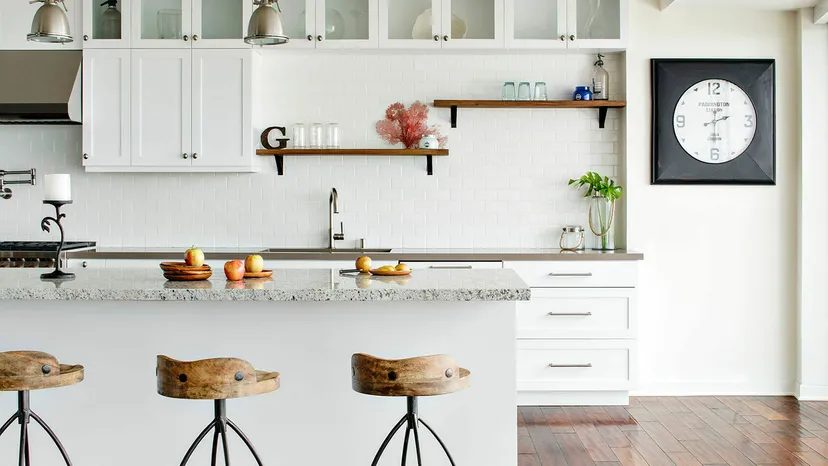
Don’t trash old furniture. Refurbish it. That oak cabinet from 1997? It’s prime candidate for a makeover. Paint it. Shaffer loves a two-tone kitchen. Paint the cabinets one shade. Paint the island a more rustic, neutral color. It’s an easy fix. It updates a dated space instantly. You don’t need expensive materials. Just a few coats of paint. And maybe some new hardware. The result is a fresh, modernized look that still feels grounded.
It’s not about perfection. It’s about accumulation. Finding pieces that resonate. Building a home that feels lived-in. Authentic.
The process starts small. A coat of paint. A thrown-on blanket. A metal vase on the counter. These things add up. The style grows. It evolves. And eventually, you have a space that feels like yours. Not a showroom. Not a magazine spread. Just home.
There’s always more to add. New textures. Better lighting. The hunt never really ends. That’s the fun of it. You keep building.

Hunting for Hidden Gems
Why hand over cash to big-box retailers when the real character lives in the clutter of a thrift store? Farmhouse decor doesn’t need to be bought brand new. It needs to be found. Flea markets, antique shops, and local secondhand stores are goldmines for pieces that have history. You aren’t just buying a shelf; you’re buying the scratches, the wear, and the story. That “trash” in someone else’s bin becomes the centerpiece of your home.
But finding the item is only half the battle. Using it is the other.
Step back. Look at the space. Are you leaning too hard? Designer Shaffer warns against the common mistake of overdoing the distress. You don’t need every surface to look like it survived a barn fire. The goal isn’t chaos. It’s a refined finish. Use stressed materials sparingly. Let the wood speak, but don’t shout.
This isn’t just for people with land. If you’re in an apartment with stark white walls, the look still works. Reclaimed wood shelves break up the sterility. They add texture. They ground the space. You don’t need a sprawling ranch to pull this off. Urban dwellers are doing it every day. The key is adapting the aesthetic to your square footage, not your zip code.
Modern vs. Traditional Farmhouse
The term “modern farmhouse” floats around design magazines like a bad idea. What’s the actual difference? Is it just paint?
Sarah Symonds, an interior designer behind Grace in My Space, breaks it down simply. Traditional farmhouse style leans on nostalgia. It’s about cozy charm. It’s the feeling of a grandmother’s kitchen. It’s character pieces that feel worn-in and loved.
Modern farmhouse is a juxtaposition. It takes those cozy traits and pairs them with sleek, contemporary lines. It’s a mix. Think clean geometry meeting rough-hewn textures.
So, what stays the same? The core elements bridge the gap. Soft throw blankets. Textured pillows. A neutral color palette. These are the anchors. Whether you go full rustic or a blended modern approach, those basics hold the room together.
Farmhouse in a Modern Home
Can you mix these styles? Absolutely. Farmhouse isn’t a cage. It’s versatile.
If your home has clean lines and minimalist furniture, don’t fear adding rustic accents. Industrial touches work well here. A metal pipe shelf against a white wall. A vintage rug under a sleek sofa. You keep the contemporary structure but soften it with farmhouse warmth. It’s not about replacing your modern home. It’s about layering.
The Color Game
Color schemes in this style are predictable for a reason. They work. Stick to neutrals. Whites. Creams. Beiges. Soft grays. These tones create a blank canvas. They make the space feel larger and airier.
Then, add the depth. Natural wood tones bring in the earthiness. Grays and blacks from iron or steel add contrast. Finally, use vintage accents to pop. A splash of color from a rustic vase or an antique mirror breaks up the monotony. The result is inviting. It’s warm. It feels lived-in, not staged.
The question isn’t whether it fits your home. It’s whether you’re ready to dig through the bins to find the pieces that do.


