It is January 2026. The thermometer is stuck below zero. Your garden is buried under a thick white layer. Most people look out the window and see a static, frozen landscape. They see silence.
They are wrong.
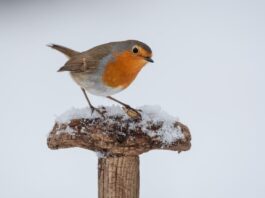
Beneath that blanketing snow, a high-stakes survival game is unfolding. You likely notice the great tits and robins. They are easy to spot. They peck at the fat balls you hung on the feeder. They are charming. But they are not the most interesting players here.
There is another bird. It is smarter. It is also more polarizing. It is the Eurasian magpie (Pica pica ).
If you have ever watched a magpie when the ground is frozen and the lawn is snowed in, you have seen biology in action. This is not random wandering. This is a calculated adaptation. For the gardener who cares about biodiversity, this behavior deserves attention.
Why Winter Changes the Rules for Garden Wildlife
Snow transforms the garden. Yesterday, it was an open buffet. Today, it is a fortress.
For most passerines, winter becomes a caloric race against time. The air is cold. The soil is hard. Insects stop flying. Berries disappear.
Gardeners often spend this season checking winter protections or planning spring crops. The wildlife is just trying not to starve. Competition at the feeder becomes fierce.
But some species do not rely on human aid. The magpie stands out. While other birds seem helpless away from seed trays, this corvid turns climate difficulties into opportunities. It exploits resources hidden under the snow.
The Sifting Technique: How Magpies Dig in Snow
Watch the posture. Do not confuse this with a blackbird hopping nervously. The magpie has a decisive gait.
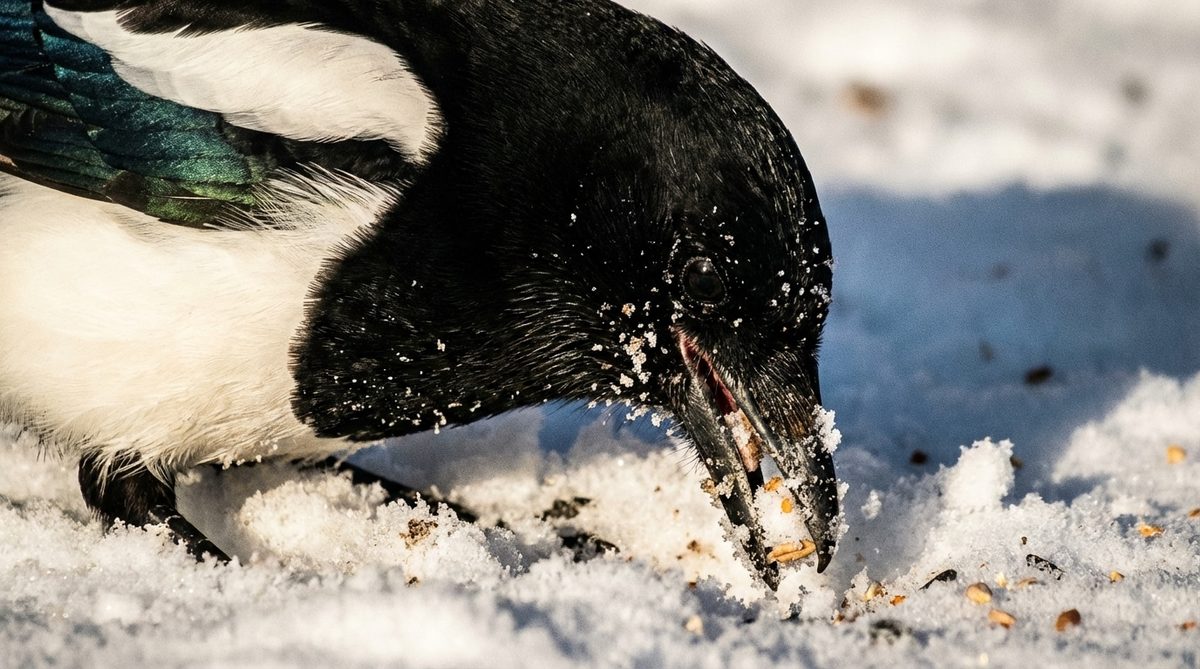
It does not just scratch the surface. It uses its powerful bill like an ice pick and a shovel. It performs lateral sweeps to clear the snow. This takes significant energy. It pays off.
This ability to dig through frozen ground separates it from small granivores. Look near hedges or border edges. The snow is often thinner there, shielded by vegetation. The magpie works most effectively in these spots.
This active digging behavior is an indicator of soil health. Living soil, even in winter, remains a pantry for those who know how to open it.
What Is Under the Snow? Seeds, Insects, and Larvae
What is the bird searching for? The secret to its survival lies underground.
In winter, the magpie forages for seeds, insects, and dormant larvae. Its robust bill breaks the frozen crust. It reaches life sleeping just centimeters below.
It unearths overwintering beetles. It finds earthworms that did not burrow deep enough.
For the organic gardener, this validates gentle methods. Leaving fallen leaves at the base of shrubs helps. Not mowing the lawn too short before winter helps. These practices support underground micro-fauna.
In return, the magpie provides natural regulation. It sometimes finds pest larvae. Without this intervention, those pests would proliferate when spring arrives. It is a delicate balance maintained by this prospecting effort.
The Power of Spatial Memory and Opportunism
The intelligence of this bird goes beyond hunting insects. Its spatial memory is a prodigious asset.
In autumn, it often hides surplus food. Under the snow, it can locate buried nuts or acorns with startling accuracy. It remembers exactly where it put them months ago.
Its omnivorous diet allows it to use leftovers others ignore or cannot eat. You will see it inspecting compost areas. It turns over plant debris to find sustenance.
This dietary adaptability is its greatest strength. A strict insectivore would starve. The magpie changes its menu based on daily findings. It moves from vegetable to animal matter without hesitation.
This versatility keeps it vigorous. It maintains that brilliant plumage, even on the harshest January days.
It’s not just a bird eating. It’s survival.
The magpie digging into frozen ground shows something deeper. Resilience. A well-designed garden doesn’t fight nature. It accommodates it. This bird isn’t suffering through winter. It’s managing it.
Think about your yard. Too clean? Too sterile? You’re cutting off food sources. The solution isn’t perfection. It’s acceptance. Leave some mess. Build thick mulch layers. Create small wild patches. These aren’t mistakes. They’re shelters.
For the magpie and others, these are survival tools.
Watch that black and white ballet on the snow. It’s not play. It’s strategy. You’ll know what to look for when you see it happening in your own lawn.
So what’s your move?
How do you balance aesthetics with biodiversity this season? You don’t have to choose. You just have to look closer.