The FBI says someone gets broken into every 16 seconds. Most of the time, the house is empty. Who are they? There are two types of thieves. Amateurs might just kick a door in. Professionals watch the house first. They study your routine.
Good security stops both. But safety isn’t just about locks. It’s about preventing accidents too. You could get hurt by your own property. Here are ten simple steps. They take less than an hour to implement. They protect you from criminals and fall hazards.
10: Install a Burglar Alarm System
Join the 1.8 million Americans who get an electronic system every year. It works. A house without one is three times more likely to be robbed. Simon Hakim, an economics professor at Temple University, confirmed this data.
The cost varies. Expect to pay $100 to $1,200 upfront. Add $35 a month for monitoring. That’s a small price for peace of mind. But choose wisely.
Don’t buy a unit where the control panel and keypad are the same box. A single unit is easier for an intruder to defeat. They can smash it before it calls the monitoring center. Get a system with separate components. Place the keypad away from the main control unit.
Thieves want cash-fast items. Jewelry and handguns are top targets. Keep them hidden, even if you have an alarm.
9: Train a Dog for Security
A barking dog is a free alarm. It also costs less than a monthly monitoring fee. But not all dogs work. You need a breed with a protective instinct.


A dog adds a layer of protection to your home. You can use one as an alternative to a security system or alongside it. Not all dogs are equal in this role. Guard dogs defend property. They are not pets. Protection dogs are different. They watch over people.
German shepherds, rottweilers, and Doberman pinschers are top breeds for home protection. Generations of breeding make them effective. They respond to discipline. They are friendly with their families. This includes children.
If you want a security-trained dog, buy one from a reputable trainer. If you want a dog and a security system, look into pet-immune motion detectors. These devices announce intruders instead of triggering on your furry friend.
Install Smart Lighting Indoors and Out
Make it harder for robbers to break in at night. Strategic lighting helps. Outdoor motion detectors deter unwanted visitors. Flood lights work well near points of entry. Use them near windows and doors.
Consider installing a security camera for extra protection. Put up signs to indicate your home is armed with cameras. Potential prowlers stay away. Your home is likelier to be broken into when you are away. Set indoor lights on a timer. This makes it look like you are home.
Minimize Access to Your Keys
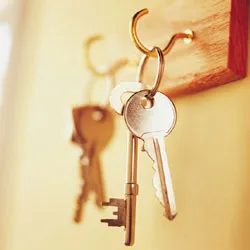

A single lock is rarely enough. Adding layers—a deadbolt, a security chain, or a secondary latch—creates friction for anyone trying to force their way in. But hardware only does half the work. The real vulnerability often lies in who holds the keys.
Stop handing out master keys
It’s tempting to be generous. You give the babysitter a key. The dog walker gets one. The car mechanic needs access to the garage. But handing out your full house key is a gamble you don’t need to take.
Give them the bare minimum. One key for the front door. A garage remote. If that babysitter loses her key in a park three miles away, a burglar doesn’t get a master key to your entire life. They get a key to one door. That’s a win.
Do the same for the valet. The mechanic. The occasional handyman. A little foresight now prevents a total breach later.
How knowing neighbors acts as free surveillance
You don’t need a smart home system to watch your house. You just need to know who lives next door.
Well-acquainted neighbors are the best early-warning system. They notice things. A furniture truck that isn’t yours. A mailbox overflowing with fliers. Piles of newspapers sitting in the driveway. These are flags. They signal that you aren’t home.
Ask them to grab the mail. Ask them to pull in your trash cans. If someone is casing your house, you want them to see signs of life. A neighbor waving from their porch is better than an empty street. It’s cheap security. It’s effective. It just requires a conversation.
Reinforce the door against kicks
Most break-ins happen through the front door. And most doors lose because the frame gives way, not the lock. The wood around the strike plate is often just 3/4 inch of cheap pine. A solid kick cracks it open.
You need to stop the door from splintering.
Replace the standard 1-inch screws in your strike plate with 3-inch screws. These bite deep into the framing stud behind the drywall. When someone kicks, the force transfers to the house structure, not just the door frame. It sounds simple. It is. But it changes everything.
Check your hinges too. If they’re on the outside of the door, someone can just pull the pins. Install non-removable hinge pins or add security screws. It’s a small tweak. It stops an easy entry.
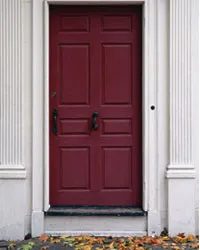

Forced entry accounts for nearly 60% of break-ins, and weak hardware is usually the culprit. Consumer Reports points out that standard mounting screws and strike plates are often the first to fail. You don’t need a security system to fix this. You just need a few extra minutes and some better screws.
Start by swapping out your strike plate. That’s the metal piece on the jamb where the bolt clicks into place. Spend about $10 on a heavy-duty version. It resists prying far better than the flimsy standard issue. Next, check your screws. If they are short, they just grip the door frame’s outer shell. The frame gives way under a kick. Replace them with three-inch screws. These bite into the wall studs behind the trim. Now the force goes into the house structure, not the wood. It’s a simple upgrade. But it stops casual kick-ins cold.
Regular glass is really easy to break. Laminated windows are ideal, or a special kind of glass that’s similar to car windshields.
Homeowners still have one major blind spot. They let strangers in. A peephole costs nothing but attention. Use it. Check who is at the door before you turn the deadbolt. If you have a peephole but don’t use it, you might as well leave the door unlocked.
How to Fortify Windows Against Break-Ins
Windows are easier targets than doors. Break the glass. Reach in. Turn the handle. Done. The barrier is almost nonexistent once the pane is compromised. You can change the math by changing the glass.
Standard annealed glass shatters like a windshield in reverse. It falls apart. Laminated glass is different. It holds together. It’s similar to car windshields in construction. Two layers of glass with a plastic interlayer. When it breaks, the shards stay stuck to the plastic. An intruder has to cut through it. That takes time. Noise. Attention.
If you can’t replace the whole pane, consider adding a secondary layer. This adds thickness and resistance. It also ensures the panes are securely attached to the frame. Loose glass is an invitation.
Lock placement matters too. If your lock is within arm’s reach of a window, you’ve created a shortcut. The burglar doesn’t need to break the door. They just need to slip through the window and reach the lock. Move the lock. Or move the window. Keep them apart. Make the intruder work for every inch of entry.
Hiding Your Valuables from Plain Sight
The best security doesn’t stop the break-in. It stops the motive.
Block the View and Hide the Valuables
You wouldn’t put a bowl of candy in front of a toddler and tell them to leave it alone. So why keep your blinds open and your lights blazing at night? You’re basically handing burglars a map to your schedule and a preview of your loot.
Window coverings need to do more than look nice. They need to block onlookers. If you’re stuck with sheer curtains, pair them with something opaque. Blinds, shades, or heavy drapes create a wall between the street and your living room.
This isn’t just about privacy. It’s about concealment. You’re hiding the people inside as well as the stuff inside. When intruders can’t see who is home or when the lights go out, they don’t know if it’s worth the risk. Keep high-target items like flat-screen TVs and jewelry out of sight. Don’t just rely on the glass. Use tall fencing or dense bushes to block the view of your property’s interior from the outside. Simple landscaping can stop a casual scout in their tracks.
Safeguard Hazardous Zones
Keeping out prowlers is only half the battle. You also need to protect your own family from the dangers lurking inside their own home.
The swimming pool is one of the most hazardous spots on any property. Drowning is a leading cause of accidental death, and a significant portion of those incidents happen in residential pools. A fence around the perimeter is non-negotiable. It keeps curious neighbors and kids out. But a fence isn’t enough. Set strict rules. No swimming alone. No running. Make sure everyone in the house knows how to swim. It’s a basic skill that saves lives.
The garage is another trap waiting to happen. It’s full of sharp tools, toxic cleaners, and fertilizers. These aren’t toys. Keep the garage shut and off-limits whenever possible. Explain to your kids clearly that it’s not a play area. Suggest another place for them to hang out. If they can’t get in, they can’t hurt themselves.
Protect Your Home Against Fires
Fire moves faster than you think. You might have time to grab a pet, but not much else. Start by checking your smoke detectors. Replace the batteries twice a year. Test them monthly. If the alarm doesn’t scream, you won’t know the house is burning until it’s too late.
Kitchen fires are the most common cause of house fires. Never leave cooking unattended. Keep towels and paper products away from the stove. Keep a fire extinguisher in the kitchen. Know how to use it. A fire blanket can also help smother small flames.
Electrical fires are sneaky. Don’t overload outlets. If a cord feels hot, it’s failing. Replace it. Check for frayed wires. Don’t run extension cords under rugs. They can overheat and ignite.
Plan your escape. Draw a map of your home. Identify two ways out of every room. Practice the escape with your family. Do it at night. Do it in the dark. You need to know where you’re going without looking.
Keep your escape routes clear. Clutter doesn’t just cause trips. It blocks paths. Clear the hallway. Clear the stairs. Keep the door handles accessible.
Have a meeting spot outside. Somewhere safe. Somewhere you can count heads. If someone is
The Smoke Alarm Blind Spot
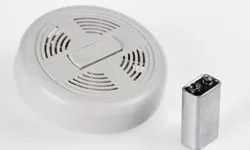
You know that sound. The piercing, repetitive shriek that jolts you out of a nap or interrupts a quiet dinner. It’s the smoke alarm reacting to a pan of pasta left on the burner a little too long. It’s annoying. It’s loud. And for many of us, it’s a nuisance we solve by yanking the battery or hitting the mute button. We silence it. We forget to reset it. We leave it dead.
Don’t do that.
It feels like a minor inconvenience. A small mercy in a chaotic moment. But that silence is a gamble with your life. Every year, roughly 3,000 people die in residential fires. These aren’t abstract statistics. They are families. They are neighbors. And in too many cases, the only thing missing was a working sensor.
How to Keep Detectors in Working Order
You don’t need a professional to handle this. You need a calendar alert and a ladder.
Test monthly. Press the test button on every unit. If it doesn’t scream, it’s dead. If it clicks but stays silent, replace the unit. Modern sensors degrade. They get dusty. They fail.
Swap batteries annually. Don’t wait for the chirp. Chirps are late warnings. Change them when you change your clocks or when you clean your gutters. Pick a day. Do them all.
Coverage matters. One detector per level. Not one per room. One per floor. If you have a split-level or a finished basement, that’s two or three units minimum. Smoke rises. It doesn’t skip stories.
Fire Extinguishers: Not Just for Show
A fire extinguisher isn’t decoration. It’s your first line of defense before the fire department arrives. But only if it’s accessible and usable.
Location is key. The kitchen is high-risk. Grease fires happen fast. The garage is another hotspot. Gasoline, chemicals, tools. Place extinguishers on every floor. In the kitchen. In the garage. Keep them visible. Not tucked behind a broom. Not buried in a closet.
Know the type. ABC extinguishers handle ordinary combustibles, flammable liquids, and electrical fires. They’re the all-rounders. Check the gauge. If the needle is in the red, it’s useless. Replace it.
The Escape Plan You’ve Been Putting Off
You have the alarms. You have the extinguishers. Now you need a plan. Not a vague idea. A literal plan.
Sit down with your household. Walk through the exits. Two ways out of every room. If the door is hot, use the window. If the window is stuck, practice opening it. Have a meeting spot outside. A tree. A mailbox. Somewhere distinct.
Practice it. Twice a year. In the dark. With your eyes closed. Smoke disorients. It blinds. It chokes. You won’t remember the plan in a panic. Muscle memory will.
Why This Isn’t Optional
You might think it won’t happen to you. That’s the risk. The assumption of safety. But fires don’t discriminate. They don’t care about your good intentions or your busy schedule. They spread. Fast.
Silencing a smoke alarm is a choice. A dangerous one.