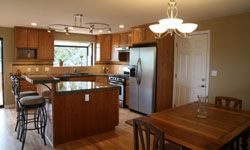
You’ve decided to sell. The real estate agent is on board. The market data is staring you in the face. It’s overwhelming. You’re probably convinced that you’re weeks away from closing, if not months. But here is the counter-intuitive truth. The single most effective way to keep your sale price high and your days on the market low costs almost nothing.
Stop treating your house like a sanctuary. It is a product. Your next address will be the home. This one is just inventory. Your job is to polish that inventory until it shines.
This process is called home staging. Done right, it cuts your time on market by 50%. It boosts your final check. You don’t need new granite countertops or a pool. You need to present what you already own in the most flattering light. Here is how to start.
10. Declutter, Depersonalize, and Disengage
Emotional detachment is hard. Staging helps you see the structure, not the memories. The best part? You can do this while you’re packing boxes for the move. It’s efficient.
Start with decluttering. This is just packing with intent. Decide what belongs in your new life. Everything else goes. Donate it. Trash it. Don’t let it crowd your sales pitch.
Then comes depersonalizing. You need to erase your family’s footprint. Take down the portraits. Hide the knickknacks. Remove the trophies. Why? Because buyers need to imagine their own lives unfolding in those rooms. If they see your kid’s first bike, they’re thinking about you. They’re not thinking about themselves.
A neutral space feels warm but accessible. It feels new. It doesn’t feel like an intrusion. Reducing visual noise allows buyers to see the room’s purpose without feeling locked into your narrative. They see potential. You see profit.
9. Light, Bright, and Luxurious


Most home sellers try to stage by instinct. It feels right if a room looks “nice.” But nice isn’t a strategy. You need a checklist. Keep it in your head while you walk through each space. Step back. Look at the room as a whole. Are you hitting the right notes?
Light is the first note. In every single room, open every window. Pull back every curtain. Turn on every light switch. Yes, even during the day. You want that extra layer of brightness. It makes spaces feel larger and warmer.
But light reveals everything. So everything must be clean. Spotless. Sparkling. Buyers look everywhere. They check the corners of closets. They look up at crown molding. If there is dust on the trim, the whole house feels neglected. Keep it immaculate until the keys change hands.
Bathrooms: The Spa Effect
The bathroom needs to feel like a day spa. Not just clean. Luxurious. You want to engage all five senses. The smell should be subtle, not overpowering. The surfaces should be smooth and dry. The lighting should be soft.
It’s a small space. Make it count.
Bedrooms and Kitchens
Master bedrooms require a different vibe. Think comfort. Think luxury. But also austerity. Minimal clutter. Neutral tones. It’s a place for rest, not storage.
The kitchen should be simple. Beautiful. Uncluttered. Countertops need to be clear. Appliances should be wiped down. The idea is to show potential, not your current lifestyle.
Imagine your house is a magazine. Each room is a glossy photograph. Perfectly composed. Let the natural light and architecture guide your staging. Don’t fight the room’s natural features. Work with them.
Curb Appeal: The Online First Impression
Curb appeal isn’t just about the lawn anymore. It starts online. People scroll through listings on their phones. The exterior photos are the hook. If the photos look bad, no one drives by. You have to motivate them to leave their computer.
Once they are in the car, the physical curb appeal takes over. Walk to the street. Look at your house. What do you see first?
Is the entry inviting? Is the front door hidden by overgrown shrubs? Clear them out.
Do you have quirky lawn ornaments? Remove them. One person’s conversation piece is another person’s eyesore. Keep it neutral. Neutral sells.
Turn on the sprinklers before a showing. Wet grass looks greener. It sparkles. Make sure your house numbers are visible. Buyers need to find your door without squinting.
Bring nature to the door. Potted blooming flowers in terracotta pots work well. Yellow is often cited as the most inviting color for flowers. It draws the eye.
Curb appeal is a 24/7 concern. People zoom by at night. They drive past at dawn. Your home needs to look inviting at all times. You want them to remember your house and make an appointment in the morning.
Common Areas
Living rooms and dens are the heart of the home, but only if they feel neutral. Buyers need to see potential, not your current lifestyle. Clear the clutter. Move the furniture. Strip away the personal artifacts that anchor the space to your identity. You are creating a blank canvas.
Think about flow. Guide the eye toward the fireplace or the main seating arrangement. Keep decorative objects generic. They should support the architecture, not distract from it. Use vignettes to suggest usage. A chess set on a side table implies quiet evenings. A reading nook with a lamp suggests relaxation. These small scenes help buyers visualize their own lives unfolding in the room.
Space is currency. Keep traffic lanes wide. Aim for a minimum of 18 to 24 inches (46 to 61 centimeters) of clear walking space. If a room feels cramped, it feels small. Remove excess furniture. Add mirrors to hallways or living areas to bounce light and create the illusion of depth. The goal is simple: help them see themselves living there, not wonder who you are.
Curb Appeal and Entryways
The clock starts ticking the moment a buyer pulls into the driveway. They decide in eight seconds if they like the house. Don’t let the exterior fool them. A dark driveway feels unwelcoming. Install solar lighting along the path. It’s cheap, easy, and effective.
Plant flowers. Potted or in the ground, greenery signals care. It also adds a layer of security. Put out a new doormat. It’s a small detail, but it says you respect the threshold.
The foyer is the first real interaction. It’s not just for dropping keys. A small bench invites them to look around. A plate of cookies (store-bought is fine) breaks the ice. Candles set a warm tone. You want them to linger. The longer they stay, the more attached they become.
Then there’s the garage. Most people treat it as a dump. Don’t. Clean it out. Bleach the floors. Paint the walls if you have the energy. Organize the shelves. A spotless garage is a shock in a good way. It tells the buyer you are meticulous. It suggests the rest of the house is maintained with similar care.
The Dining Room
This room is often the most formal space in the house, and that can be a barrier. Many buyers don’t entertain formally anymore. They eat at the island or the kitchen table. So, how do you make a dining room feel relevant?
Start with the table. If it’s dated, cover it with a crisp white cloth. It instantly feels fresh. Clear off any excess chairs if the room feels tight. You don’t need six chairs to show the space; four might be enough to demonstrate scale.
Lighting is everything. If the overhead fixture is a chandelier from 1995, consider swapping it for something simpler. Or, just ensure the bulbs are bright and warm. Dim, yellow light makes a room feel small and old.
Consider the view. Is there a nice window? Pull the curtains back. Let the natural light flood in. If the view is poor, hang art that draws the eye away from the window.
Use the table to stage a meal. Not a formal dinner, but a casual setup. A bowl of fruit. A stack of napkins. It suggests function. It suggests that this room is still useful.
But be careful not to overdo it. A table set for a wedding party feels staged in a bad way. It feels like a restaurant. Keep it lived-in but empty. The buyer needs to imagine their own Sunday breakfast here. Not your holiday turkey.
If the room is small, try pushing a console table against the wall. Add a mirror above it. It expands the visual space. It also gives the buyer a place to put their coat when they imagine hosting friends.
What happens if the dining room has built-in shelving? Use it to display simple, neutral decor. Books with solid spines. A few plants. No family photos. No souvenirs. Just texture and form.
The goal is neutrality. The dining room is a stage set. The actors are the buyers. You just need to make sure the props are correct.
The dining room carries a different weight than the rest of the house. It is the stage for formal occasions. You are selling a lifestyle here. Buyers picture holiday dinners. They imagine quiet Sunday mornings or romantic evenings. The staging needs to reflect that elegance without feeling stiff.
Keep the vibe bright. Let the air move. But do not be afraid of drama in the lighting. You want the space to feel intentional. It should whisper, “This is where special things happen.”
Avoiding the Overstaged Trap
The biggest mistake people make in the dining room is trying too hard. They add too many pieces. They clutter the visual field. You need to edit ruthlessly. The goal is to inspire, not to overwhelm.
Start with the table. Pull out the extra leaves. This change does two things. It improves the flow of traffic through the room. It also makes the space feel larger. Now, look at the chairs. Group no more than four around the table. Remove the rest. Do not line them up against the wall. Do not stack them in a corner. That looks like storage, not staging.
Keep place settings simple. Elegant does not mean complex. A centerpiece should draw the eye, not block it. If it is too big, it becomes a chore for the next owner to move. The objective remains the same: sell the house. Do not try to impress your friends. Impress the person who might live there.
Master Bedroom Staging
The master bedroom requires a shift in tone. Here, comfort and privacy take precedence. You are balancing size with intimacy. Decor must be minimal. If you have dark wood furniture, counteract it with lighter elements.
Lighting matters. Keep it soft. Natural light is ideal. If you need artificial light, choose warm tones. Classic white bedding adds elegance. It also reflects light, keeping the room from feeling heavy or dark. Mix textures like you mix colors. Velvet against crisp cotton. Wood against linen. This contrast makes the furniture pop without adding visual noise.
Since you do not know who is buying, keep it neutral. Avoid overly masculine or feminine themes. Simple, neutral elegance works for everyone. Remove family photographs. These are too personal for a stranger. They distract from the potential of the room.
The Closet Strategy
Your closet holds more than clothes. It holds clutter. And clutter shrinks rooms. Remove eighty percent of the clothing. Pack it away. Include shoes. A sparse closet looks organized. It looks larger. It feels luxurious.
Place a lamp and nightstand on either side of the bed. This symmetry creates balance. Use artwork and furniture placement to guide the eye toward the bed. It is the focal point.
If you have energy to spare, set up a breakfast tray on the bed. It sounds minor. But it triggers a powerful image in a buyer’s mind. They can visualize themselves waking up slowly. They imagine a relaxing morning. That feeling might be the difference between an offer and a walk-away.
Guest Rooms and Bedrooms
Guest rooms need to be versatile. They are not just empty boxes. They are proof that your home can accommodate visitors. Or future needs. A home office that doubles as a guest room is a strong selling point.
Keep the furniture simple. A daybed or a sleek sofa bed works well. It saves space. It looks intentional. Avoid heavy drapes. They can make a small room feel cave-like.
For any bedroom, the rule of simplicity holds true. The less you put in, the more the buyer can see their own life in the space. Blank walls are not empty walls. They are potential. Let the architecture speak. Let the light speak. Let the buyer fill in the details with their own dreams.


The Kitchen: The Heart of the Sale
Forget the drama of the bathrooms. The kitchen is where the real money is made or lost. Buyers don’t just look at the cabinets; they look at the lifestyle. They want to see a space that feels efficient, expansive, and ready for their own culinary experiments.
Start by clearing the counters. Every surface should be empty except for one or two curated items. A bowl of lemons? Fine. A stack of cookbooks? Risky. You want to show storage, not clutter. If your cabinets are messy, pull out a few beautiful plates and stack them neatly in the open pantry or a glass-front cabinet. Hide the everyday mugs. Hide the mail. Hide the toaster unless it’s stainless steel and matches your aesthetic.
Lighting is non-negotiable. Under-cabinet lighting can transform a dark, dated kitchen into a modern workspace. If you can’t install new fixtures, use plug-in LED strips. They’re cheap, easy to hide, and make a massive difference in how inviting the space feels. Turn them on during showings.
Next, focus on the “working triangle” – the space between the sink, stove, and refrigerator. Keep this path clear. No step stools. No shopping carts. Just clear floor space. If your kitchen lacks counter space, move small appliances to a sideboard in the dining room. Show the buyer that the kitchen is a place for cooking, not for storing the clutter of daily life.
A fresh coat of paint on the cabinets can work wonders, but only if the color is neutral. Greige is safe. White is classic. Avoid bold colors unless your target market is specifically known for loving them. For most, neutrality is key. It allows the buyer to project their own style onto the space.
Don’t forget the small details. Wipe down the inside of the microwave. Clean the top of the refrigerator. Replace any burnt-out bulbs. A clean kitchen smells like potential. A dirty one smells like neglect.
The Living Room: Flow and Function
The living room sets the tone for the entire house. It needs to feel open, airy, and versatile. This is where buyers will imagine themselves hosting holidays or relaxing on a Sunday afternoon.
Start with the furniture layout. Push pieces away from the walls to create conversation areas. If the room feels too big, use a large rug to define the space. If it feels too small, remove one chair or the ottoman. You want to show flow, not just furniture placement.
Lighting again plays a huge role. Layer it. Use overhead lights for general illumination, floor lamps for reading, and table lamps for ambiance. Turn all of them on during showings. A bright room feels larger and more welcoming.
Declutter ruthlessly. Remove personal photos, collections, and knick-knacks. These distract buyers and make it hard for them to see themselves in the space. Keep surfaces mostly bare. A single vase with fresh flowers adds life without adding visual noise.
If you have a fireplace, clean it. If it’s not gas, consider a log set for showings. It creates a focal point that draws the eye and suggests warmth and comfort. Even in summer, a clean fireplace adds architectural interest.
Consider the view. If you have a beautiful landscape, make sure the curtains are open and clean. If the view is lackluster, use artwork that complements the room’s color scheme rather than competing with it. The goal is to highlight the room’s best features and minimize its weaknesses.
The Outdoor Spaces: Curb Appeal and Extension
Your home’s exterior is the first impression. The outdoor spaces are the last. Both need to be staged effectively to maximize value.
Start with the front porch. It’s your welcome mat. Sweep it. Paint any peeling wood. Add a couple of chairs and a small table. It suggests a place for morning coffee or evening relaxation. If you have a front door, consider painting it a bold, welcoming color. It’s a low-cost update that makes a
Clear Countertops for Maximum Appeal
When you list your home, you aren’t just selling bricks and mortar. You are selling space. Nowhere does that space feel more valuable than in the kitchen. Buyers are looking at every inch of counter real estate. If it’s cluttered, it shrinks the room. If it’s clear, it expands it.
Hide the small appliances. The toaster. The coffeemaker. The kettle. Pull them out of sight. An ornamental bowl of fruit is fine—maybe a few apples arranged neatly—but otherwise, keep surfaces immaculate. Gleaming. Bright. Ready for the next owner’s coffee routine, not yours.
Update Fixtures and Paint
Old kitchen cabinets don’t have to be a dealbreaker. In fact, they can be a selling point with a little elbow grease. Aging wood can look dated, but it can also look potential.
Swap out the hardware. Inexpensive pulls and handles can modernize a room faster than a full remodel. Pick something with weight. Brass, matte black, or brushed nickel. Then look at the doors themselves. Can they be stained? Painted? White cabinets reflect light. They make a small kitchen feel twice as big. If the cabinets are beyond saving, consider if painting them is worth the effort compared to replacing the doors.
Brighten a Dark Kitchen
Darkness in a kitchen is often misread as dinginess. It feels gloomy. It feels like it hasn’t been cleaned in years. You need to fight that impression.
Install sheer cafe curtains. They let in natural light without blocking the view. They soften the space. For artificial light, use recessed track lighting. Aim it at the counter space. Show off the granite or quartz. Make the work surface the hero.
If you are painting, go white. Or off-white. Keep walls neutral. Soft. The pantry door should disappear into the background, not compete for attention.
Organize for the Buyer’s Life
An empty house feels dead. A cluttered house feels messy. There is a middle ground.
Empty the refrigerator. Leave only a few items if you must, but ideally, it should look like it’s ready to be stocked. Cabinets too. Clear out the excess. Keep only the essentials visible.
Then, organize what’s left. Alphabetize the spices. Turn all the mug handles so they face the same direction. Stack pantry goods from largest to smallest. These aren’t just cleaning tips. They are subtle signals. They tell the buyer, “This is an orderly home. You will live this way.”
“An ornamental bowl of polished fruit is OK, but in general, keep your surfaces as immaculate and uncluttered as possible.”
The goal isn’t perfection. It’s presentation. It’s showing the buyer how their life could look in the space. Not how yours looked while you were making dinner.
Next Steps
You’ve prepped the kitchen. You’ve shined the fixtures. You’ve cleared the counters. What about the rest of the house?
Check the links on the next page for more staging and organizing tips. The bathroom? The master bedroom? The basement? They all need the same treatment. Clear. Bright. Organized.