


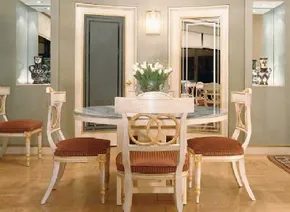
Most homeowners fall into one of two camps regarding dining rooms. Some would trade everything they own for a dedicated formal eating space. Others look at their existing one and see nothing but wasted square footage, preferring to keep the door shut.
Both groups are missing out.
You don’t need a dedicated room to have a comfortable place to eat. And if you do have a room you ignore, it’s not lost cause. With some strategic tweaks, even a lonely corner can become as inviting as a Sunday roast.
Here is how to turn any spare inch of your home into a functional dining zone.
Glamorous and Modern Dining Decor
Start with the vibe you want. If you lean toward high drama, you don’t need expensive furniture to get a glamorous look. Focus on lighting, textiles, and reflective surfaces.
For a sleek, contemporary feel, strip away the clutter. Ultra-modern decor relies on clean lines and luxury materials. Think marble tops, chrome fixtures, and minimal seating. This approach works well if you entertain often but prefer a sophisticated, low-key atmosphere. It’s not just about style. It’s about creating a space that feels intentional.
Traditional and Formal Setup
Do you host holiday banquets or formal dinner parties? Then you might need a more traditional layout.
A formal dining area needs to handle accessories. Think heavy drapes, crystal chandeliers, and a substantial table that anchors the room. This setup is less about casual meals and more about the event. If you rarely entertain, this might be overkill. But if you love the ritual of a set table, invest in pieces that can scale up for guests.
Romance and Color for Intimate Dining
Not every meal needs to be formal. Sometimes you just want intimacy.
A colorful, romantic room sets the stage for date nights or small wine dinners with friends. Use bold wall colors, warm lighting, and plush seating. The goal is to create an oasis. It’s a place to linger.
Practical DIY Setup in Existing Rooms
You can build a dining area in almost any room with a few square feet to spare. Family rooms, dens, and even entry halls work if you position things correctly.
Measure your space first.
Before you buy a table, do the math. You need about 8 square feet for a four-person table. Then add 36 inches behind each chair for pull-out space. If you skip this step, you’ll end up with a table you can’t sit at comfortably.
Build or buy fixed seating.
Hiring a carpenter to build a stationary bench flush against the wall saves massive amounts of space. It removes the need for clearance behind chairs. Pair that with a skinny pine table and ladder-back chairs on the opposite side. It’s a classic combo that works in tight spots.
Use flexible furniture.
A drop-leaf table is a lifesaver in entry halls. One moment it’s a console table for keys and mail. The next, it seats two or four people for a quick meal. It does double duty without cluttering the floor plan.
Look at round tables in family rooms. Place them beside a sofa. Cover them with a colored cloth. Add seats. Light a fire. Suddenly, you have a romantic dinner spot that wasn’t there before.
Mix and Match Seating
Don’t feel tied to a matching set. Diverse chair styles add drama.
Wing chairs offer comfort. Love seats provide extra seating for kids or pets. Even ottomans can work as stools, as long as they roll easily. Flexibility is key.
Collect benches that slide under tables. Use feather-light wicker chairs that can nestle into corners. Salvage a garden table for outdoor-to-indoor dining

Cabinetry isn’t the only option. Look at plate racks. Wall shelves work. Corner china cupboards are underrated. You gain handy inches without eating up floor space.
Dead dining rooms need reinvention. You need suitable furnishings. Paint. Fabric. The table is the anchor. Place it on a bright area rug. Or center it on a window. Choose the right shape. Round tables favor conversation. They soften boxy corners. Small square tables fit tight quarters. Long farmhouse tables belong in rectangular rooms. Add a chandelier for ambiance. Electric or candle-holding options both work.
Color sets the tone. Warm colors stimulate talk. Paint walls soft red. Use richly textured wallcovering. Think about soft contemporary hues. Hydrangea-purple. Pistachio-green. Team them with crisp white moldings. It feels like a Monet garden. Slipcover dining chairs. Add simple seat cushions. Pick a contrasting color. Or a pleasing floral pattern.
Want glamour? Modern? Traditional? Romantic? The tips here help you achieve that look. Next, we dive into making the space gleam with glamour.
To get more decorating ideas as well as tips and information on decorating your home, visit:
- Kitchen Decorating Ideas
- Decorating Ideas
- Bedroom Decorating Ideas
- Bathroom Decorating Ideas
- Home Office Decorating Ideas
- Decorate Home Spaces Ideas
- Interior Decorating
- Home Decorating Tips
- How to Design a Kitchen
- Decorating Styles
Glamorous Dining Spaces
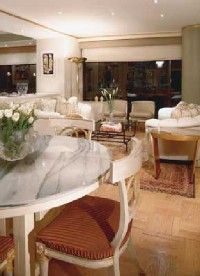

Most people default to the same rectangular slab and four rigid chairs. It’s safe. It’s boring. You can do better.
Look at this arrangement. The table is round. It sits just far enough from the living area to claim its own space without eating up the whole house. The chairs aren’t just functional; they’re elegant. They signal that this is a formal dining zone, not just a place to shove takeout boxes.
The Lighting and Reflective Surfaces
The real magic here isn’t the furniture. It’s the light.
An elongated chandelier hangs directly over the round table. This isn’t a subtle fixture. It’s dazzling. It draws the eye upward and anchors the space.
Then there’s the gold. The furniture is painted but embellished with gold accents. It catches the light.
Behind the chairs, mirrors and glass surfaces twinkle. They reflect the chandelier. If you lit candles on the table, the glow wouldn’t just stay on the wood. It would bounce off the glass. It would bounce off the mirrors. The room would feel twice as big and twice as warm.
Flooring Choices for Formality
The floor is champagne-colored wood. It’s warm. It’s expensive-looking.
Notice there is no rug.
A rug would soften the look. It would make the room feel cozy, maybe even casual. But the goal here is formality. Hardwood floors provide that crisp, clean line. They keep the space feeling sharp and intentional.
The large windows across the room add another layer. It’s not just daylight. It’s the romance of city lights. Even if you don’t live in a city, the principle holds: use your view. Let the outside in. It adds depth.
Why This Works (And How to Adapt It)
This setup relies on verticality and reflection.
- Verticality: The chandelier is elongated. It matches the height of the space without blocking sightlines.
- Reflection: Gold paint, glass, and mirrors create a feedback loop of light. It makes a small room feel expansive.
- Texture: Hardwood floors provide a smooth contrast to the textured gold and the complex shape of the chandelier.
If you’re trying to replicate this, start with the lighting. A standard pendant won’t cut it. You need something with length. Then, look for reflective surfaces. You don’t need expensive art. A large mirror placed strategically can do the heavy lifting.
Shifting to Contemporary
This style is classic. It’s romantic. It’s a bit heavy on the glamour.
If that’s not your vibe, you might prefer cleaner lines. Less gold. More matte.
The next section breaks down how to build a modern dining room. We’ll strip away the reflectivity and focus on structure and material.
To get more decorating ideas as well as tips and information on decorating your home, visit:
-
Kitchen Decorating Ideas
-
Decorating Ideas
-
Bedroom Decorating Ideas
-
Bathroom Decorating Ideas
-
Home Office Decorating Ideas
-
Decorate Home Spaces Ideas
-
Interior Decorating
-
Home Decorating Tips
-
How to Design a Kitchen
-
Decorating Styles
Creating a Modern Dining Room
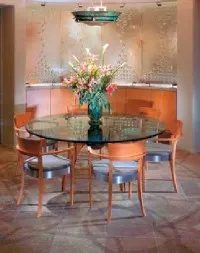

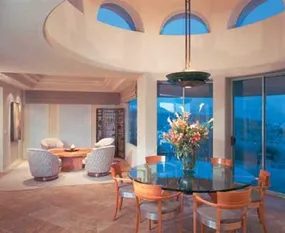
The transition from kitchen chaos to dining calm is handled with a glass screen that cascades down like a frozen waterfall. It sits atop a curved wood buffet, creating a physical barrier that keeps splashes and steam away from the table. The setup is practical but sleek.
Diners are positioned with a direct line of sight to spectacular desert vistas through glass doors. The ceiling above is raised, adding volume and preventing the space from feeling cramped. You won’t be distracted by the cooking process. The focus stays on the view and the company.
Materials define the character here. A stone floor grounds the room. Steel-banded chairs add an industrial edge. A modern metal light fixture hangs overhead, casting focused light. The table itself is glass-topped, reflecting the room’s geometry. Granite layers the curved buffet, adding weight and texture to the wood base. It’s a mix of hard surfaces that creates visual interest.
The color palette stays true to the surrounding landscape. Earth tones dominate. This choice produces a serene atmosphere without trying too hard. The goal is calm.
Curves soften the entire design. The buffet rounds out. Dining chairs feature curved backs. Upholstered seats in the adjacent living area echo this shape. Round tables replace rectangular ones. Even the ceiling includes a dome-like feature. Sharp edges are minimized to avoid jarring the mood.
Creating a Traditional Dining Space
If the modern approach feels too cool, consider a different direction. A traditional dining room prioritizes luxury and conversation. It is set aside specifically for serious meals. The focus shifts to rich woods, heavy drapery, and intimate lighting. This creates a warmer, more enclosed feeling compared to the airy modern space described above.
Curves soften the entire design. Sharp edges are minimized to avoid jarring the mood.

Traditional and Formal Dining Rooms
Let’s talk about the space that often sits empty until a special occasion demands otherwise. A traditional dining room is rarely just a place to eat. It’s a stage for ceremony.
The vibe is specific. Think heavy drapes. Crystal chandeliers. High-gloss wood floors reflecting light in sharp lines. If you’re leaning into this style, you aren’t just buying furniture. You’re curating an atmosphere of permanence.
Defining the Layout and Flow
Start with the table. In a formal setting, the table is the anchor. It needs to be substantial. Solid wood is non-negotiable for the authentic look. Oak, mahogany, or walnut work best. Avoid particle board if you want the piece to feel like it has weight.
How big should it be? Measure your room first. Leave at least 36 inches of clearance around all sides for chairs to pull out without hitting a wall or another diner. This isn’t just about comfort. It’s about protocol.
“A formal dining room requires breathing room. Clutter kills the sense of occasion.”
Choosing the Right Furniture
Look for chairs with backs that are high and detailed. Tufted upholstery in deep jewel tones—emerald, navy, burgundy—adds texture. But don’t stop at the table.
Consider a sideboard or buffet. This piece serves a dual purpose: storage for linens and china, plus a surface for serving. It grounds the far wall.
Which materials age best? Solid hardwoods. They can be refinished. Painted pieces tend to chip and wear in high-traffic areas. If you go with painted wood, use a high-durability enamel.
Lighting: The Mood Setter
Fluorescent lights are the enemy here. You need warmth.
A chandelier is the standard, but it must be hung at the right height. Center it over the table. The bottom of the fixture should be about 30 to 34 inches above the tabletop. This ensures it doesn’t obstruct eye contact across the table.
For ambient light, add wall sconces. They eliminate harsh shadows on faces. If your room lacks hardwired sconces, plug-in versions with decorative cords can mimic the effect without major electrical work.
Textiles and Window Treatments
Windows should be dressed. Sheer curtains behind heavier drapes offer privacy and light control. The fabric choice matters. Velvet or silk-backed cottons reflect light softly.
Linen is nice for a relaxed traditional look, but for formal, you want something that holds a crisp fold. Pinch pleats are the most authentic style for this aesthetic.
Color Palette Strategies
Stick to a controlled palette. Cream, gold, white, and dark wood tones are classic. You can introduce accent colors through accessories, not walls. Paint the walls a neutral shade. It makes the furniture pop.
Try these specific combinations:
– Off-white walls with black lacquer furniture
– Navy blue walls with brass fixtures
– Cream walls with cherry wood tones
DIY Maintenance Tips
Wood floors need regular waxing or polishing to maintain that high-gloss look. Use a microfiber mop. Avoid water-based cleaners that leave streaks.
For upholstered chairs, vacuum weekly. Use a fabric protector spray immediately after buying new pieces. It repels spills before they

Choosing the Right Scale for a Formal Dining Room
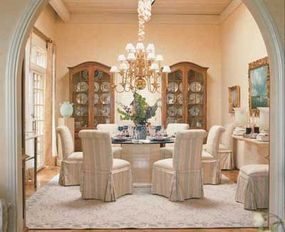
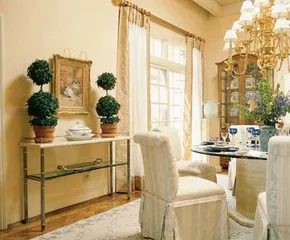
You want the furniture to command the room without fighting it. Take the French-country look, for example. The walls are a creamy off-white. The floors are wood. This neutral canvas makes it easy to introduce heavy hitters like a glass-topped dining table. It needs a base that won’t tip over. Travertine works well. It’s stone. It’s heavy. It anchors the glass top above it.
Then you add the storage. Twin arched-top china cabinets. They sit on either side of the window. This placement serves two purposes. First, it highlights the high ceilings. The vertical lines draw the eye up. Second, the cabinets aren’t just for hiding dishes. You leave some space open. Display the good china. It adds a splash of subtle color to the otherwise muted palette.
Seating and Surface Details
Around the table, you need comfort. Six upholstered chairs. If you’re hosting a dinner party, guests should feel at ease. They shouldn’t be squirming on hard wood. Upholstery softens the look of the glass and stone. It makes the space feel less like a museum and more like a home.
But a dining room isn’t complete without lighting and floor coverings. You need a chandelier. Not just any light fixture. An elaborate one. Three tiers. It should hang low enough to feel intimate but high enough to not block conversation. Think crystal or brass. Something with presence.
Underfoot, skip the harsh synthetic rugs. Go for a needlepoint rug. Keep the shades muted. Grays, soft blues, dusty roses. It ties the room together without screaming for attention.
Finishing Touches
Hang some art. Not small pieces. Something handsome. Large frames. Maybe botanical prints or classic landscapes. It fills the wall space and gives guests something to look at while they wait for food.
Why do these details matter? Because they set the tone. When you add a triple-tier chandelier, a needlepoint rug, and curated art, the room changes. It demands respect. Guests will instinctively want to dress up. They’ll straighten their shoulders. They’ll appreciate the effort you put into the space.
Is it overkill? Maybe. But a formal dining room is for special occasions. It’s where you celebrate. The materials matter. The scale matters. The light matters. Get it right, and the room does half the work for you.
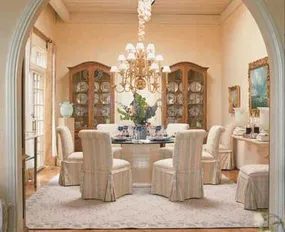
Even if you aren’t hosting a formal dinner tonight, the room still demands respect. Set with antique china and cobalt stemware, it looks regal. But leave it empty? It still holds its own. The archway frames it like a painting from the living room. That presence lifts the whole house.
If you prefer to mix styles—say, a modern chair with a vintage table—keep reading for practical decorating tips. We are moving past the static image into how you actually build this look.
Building the Base Before Adding the Noise
You cannot throw romance onto a room and expect it to stick. You need structure first. The “gracious arch” mentioned earlier isn’t just decorative; it’s a framing device. It tells your brain this space is separate. It’s for eating. It’s for talking. It’s not for scrolling through emails.
Start with the floor. If your existing flooring is worn or bland, consider refinishing it. A rich walnut or deep oak adds weight. It grounds the cobalt glass. It makes the antique china pop. Without that dark, solid foundation, the room feels floaty. Unsettling.
Next, lighting. Harsh overhead fixtures kill romance instantly. You need layers. A chandelier centered over the table is standard, but don’t stop there. Add sconces on the walls. Or better yet, plug in candles. Real wax candles. Not the flickering LED kind that look cheap after an hour. Real wax melts, smells like beeswax or vanilla, and throws a warm, uneven glow. That unevenness is key. Perfection is sterile. Warmth is inviting.
Mixing Styles Without Looking Cluttered
Mixing eras is tricky. Done poorly, it looks like a thrift store exploded. Done right, it looks curated. Here is how you avoid the chaos:
- Anchor with one strong piece. A heavy, dark wood table works for almost any style. It absorbs the visual noise of mismatched chairs.
- Limit your metal tones. Don’t mix brass, chrome, and bronze in the same view. Pick one. Stick to it.
- Use textiles to bridge gaps. A runner rug or a set of napkins in a deep red or navy can tie together a modern lamp and a Victorian plate. Textile is the glue.
Why Color Drives Romance
We aren’t talking about painting every wall black. That’s goth, not romantic. We are talking about accent colors that deepen the mood. Cobalt blue is excellent for dining. It stimulates conversation. It makes skin tones look healthier under warm light.
Pair it with warm neutrals. Cream walls. Beige curtains. Let the blue do the heavy lifting. If you want more color, go with the china. A collection of mixed antique china allows you to introduce soft pinks, greens, or golds without committing to a paint job you’ll regret.
Practical Steps for the DIY Homeowner
You don’t need a designer budget. You need patience and a few smart purchases.
- Shop secondhand for the big items. Look for tables with solid legs. Avoid particle board. If you find a table with a damaged top, sand it down and refinish it. It takes a weekend. The reward is a unique piece that matches your floor perfectly

Balancing Traditional and Ethnic Decor in a Dining Room
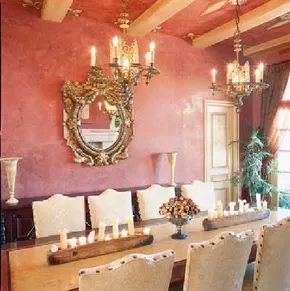
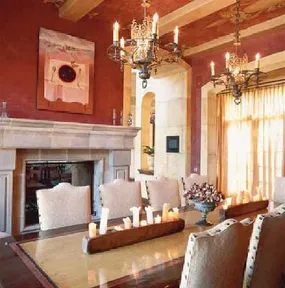
You can mix eras without the room looking like a yard sale. This dining space pulls off a tricky blend of traditional elegance and ethnic flair. The upholstered chairs are classic. They belong in a colonial parlor. The chandeliers tell a different story. They evoke the busy, colorful atmosphere of an Indian bazaar.
The key to keeping it from feeling chaotic is the paint. The walls are a deep rose. That rich hue adds weight to the room. It makes the space feel opulent. It also wraps around you like a blanket on a cold night. But bold walls need a counterbalance. Pale trim on the windows and doors keeps the eye from getting stuck in one spot. It provides the necessary breathing room.
The walls’ rich color adds depth to the space, making it appear more opulent and cozy even on the chilliest of evenings.
Placement matters just as much as color. You have to think about sightlines. One side of the gleaming table anchors the room with a baronial hearth. It’s a heavy, solid focal point. It grounds the furniture. The other side needs light. An ornate mirror does the work there. It bounces daylight around during the afternoon. When night falls, it multiplies the glow of the candles.
Practical Tips for Mixing Styles
If you want to recreate this look, start with the foundation. Paint is the easiest way to unify disparate elements. Choose a saturated color for one wall or all four, depending on how bold you want to be. Keep the trim light. White or off-white works best against deep tones.
Next, curate your furniture. You don’t need to buy everything from the same catalog. That upholstered chair can be a vintage find or a new reproduction. The goal is comfort. The chandelier is the statement piece. Look for intricate metalwork. Brass or wrought iron adds texture.
Lighting changes everything. A mirror opposite a window or light source amplifies it. Place it where it catches the candlelight from the table. The reflection creates a sense of space. It makes the room feel larger than it is.
Why This Combination Works
People often fear mixing styles because they worry about clutter. Here, the balance comes from contrast. The hard lines of the table meet the softness of the upholstery. The ancient feel of the hearth clashes intentionally with the vibrant mirror. It’s not random. It’s curated.
The rose color ties it together. It’s warm. It’s inviting. It softens the potential harshness of the ethnic pieces. Without that wall color, the chandelier might look too out of place. With it, the room feels intentional.
Consider the materials. Woodwork in a pale tone reflects light. It keeps the heavy rose from making the room feel cave-like. The gleaming table surface adds a modern touch. It contrasts with the traditional hearth. That tension is what makes the design interesting.
You don’t need a huge budget to pull this off. Find a mirror with an ornate frame at a thrift store. Refinish a table. Paint the walls a deep, moody shade. Swap out standard lighting for something more dramatic. The result is a room that feels lived-in and designed at the same time.
Is it risky? Sure. But risk is what gives a home character. A perfectly

Look up.
Most ceilings are just white voids. Boring. Expected.
This one isn’t.
A decorative pattern breaks the monotony. It catches the eye immediately. Guests glance up. They pause. Then they smile. That surprise factor is what separates a standard dining room from a memorable space. You don’t need a chandelier to create drama. Sometimes just texture and paint do the heavy lifting.
This approach works regardless of your style. Modern? Go for geometric lines. Traditional? Opt for ornate molding or wallpaper. Romantic? Think soft curves or subtle stenciling. The key is intentionality. You aren’t just covering a surface. You are framing the room.
Choosing the Right Ceiling Treatment
The material matters. Drywall texture offers a subtle, matte finish. It absorbs light, creating a cozy, intimate atmosphere. Good for smaller dining areas where you want to shrink the perceived scale.
Wallpaper brings pattern without the bulk of molding. It’s easier to install than you might think. Clean the surface. Apply paste. Smooth out bubbles. The result is instant personality.
For a more permanent solution, consider tray ceilings with crown molding. This adds depth. It draws the eye upward. It makes the room feel taller, even if the floor plan is tight.
Paint is the most accessible option. A bold color on the ceiling can anchor the room. It contrasts with white walls. It creates a defined zone. If you’re worried about commitment, start with a removable peel-and-stick option.
Why Attention to Detail Matters
Small touches accumulate. The ceiling pattern sets the tone. It signals that this room is curated. It’s not an afterthought. It’s part of the design narrative.
When guests enter, they notice the floor. Then the table. Then the walls. The ceiling comes last. That delay in attention is the moment of delight. It’s a subtle win. It suggests care. It suggests that every corner of the space was considered.
You don’t need a contractor for this. A stiff brush. A level. A little patience. If you’re using wallpaper, a smoothing tool helps. For paint, a high-quality roller ensures an even coat without drips. Safety first. Use a sturdy ladder. Keep the area clear.
Blending Styles
There’s no rule that says you have to pick one aesthetic. Mix them.
A modern geometric pattern on the ceiling can balance a traditional wooden table. It creates tension. It keeps the space from feeling too stuffy.
Or lean fully into romance. Soft, floral wallpaper. Gold-leaf accents. It’s dramatic. It’s bold. It works if you commit.
The goal isn’t perfection. It’s cohesion. The ceiling shouldn’t clash. It should complement. It should enhance the furniture below. If the room feels too busy, simplify the walls. Let the ceiling shine.
Final Thoughts on the Space
This isn’t just about decoration. It’s about experience. How does the room feel? Does it encourage conversation? Does it make you want to linger?
The ceiling pattern is a conversation starter. It’s a visual anchor. It grounds the room in a specific mood.
If you’re planning a renovation, don’t skip the top. It’s often ignored. It’s often wasted potential. A little effort up high pays off in atmosphere. It transforms a functional space into


