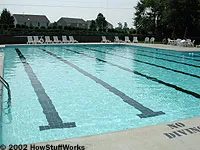
It’s just a hole in the ground filled with water. That’s the elevator pitch for a swimming pool. Simple. But flip the script to mid-July in July and that hole becomes the only thing keeping you from melting into the patio stones. You might think the magic is in the cool water itself. It’s not. The magic is in the plumbing.
You don’t have to be an engineer to appreciate a pool. But if you want one that doesn’t turn into a green swamp by Tuesday, you need to understand the heavy lifting happening behind the scenes. We are going to tear into the mechanics of pool construction and the specific plumbing architecture that keeps your bathwater from becoming a biohazard.
The Core Mechanic
Ignore the shape. Ignore the tiles. Whether you are digging a custom lap pool in Arizona or installing a pre-fab circle in the suburbs, the physics remain identical.
Pools are closed-loop systems. They do not rely on fresh water entry once filled. They recycle.
The entire operation rests on two non-negotiable pillars:
- Filtration — physically removing particulates.
- Chemical Treatment — neutralizing biological contaminants.
It is a continuous cycle. Dirty water exits the basin. It gets scrubbed clean. It gets dosed with chemicals. It returns to the basin. Repeat until the water runs clear.
If that loop breaks, the pool dies. Fast.
Most homeowners treat their pool like a bathtub. They are wrong. A pool is a miniature wastewater treatment plant. And understanding how it operates is the difference between a refreshing dip and a chemistry disaster.
Filtration: The Physical Barrier
Let’s start with the mechanics of cleaning.
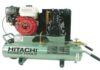
The pump is the heart. It pulls water from the main drain and the skimmer. This water travels through hoses to the filter unit.
There are three main types of filters you will encounter in residential settings. Each has a specific function and maintenance schedule.
1. Sand Filters
The oldest technology. Still the most common in backyard settings. Water flows through a tank filled with specialized silica sand. Dirt, leaves, and larger debris get trapped in the voids between the sand grains.
- How it works: Gravity and pressure force water through the sand bed.
- Maintenance: Requires backwashing. You reverse the flow to flush trapped dirt out of the tank and down the drain.
- Pros: Low cost. Low maintenance. Forgiving.
- Cons: Filters down to about 20 microns. That is fine, but not precise.
2. Cartridge Filters
These use pleated paper or polyester fabric canisters. Think of them as massive coffee filters.
- How it works: Water passes through the pleats. Particles stick to the surface of the fabric.
- Maintenance: Remove the cartridge. Hose it off. Every few years, you replace the cartridge entirely.
- Pros: Better filtration than sand. Usually down to 10-15 microns.
- Cons: Pleats can tear. More expensive upfront than sand.
3. Diatomaceous Earth (DE) Filters
The gold standard. And the most expensive.
DE filters use a grid

The Circulation Core
You cannot have a functional pool without the mechanical loop that keeps it alive. It is not just about holding water. It is about moving it. The system relies on seven distinct components working in unison.
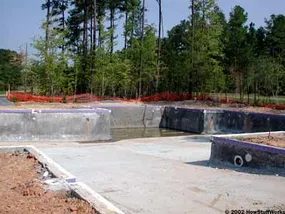
First, you need the basin. That is the hole in the ground or the structure above it. Next, a motorized pump acts as the heart. It pushes the water through the veins of the system. Those veins are PVC plastic plumbing. They connect the major elements.
The water hits a water filter. This catches the visible debris. Silt. Leaves. Bugs. The filter keeps the water clear. But clarity is not enough. You need chemical feeder systems to introduce chlorine or bromine. This kills the invisible threats. Bacteria. Algae. Pathogens.
The water exits through drains in the basin floor or walls. It travels through the pipes. It gets cleaned. It gets treated. Then it shoots back out through the returns. These are the jets in the pool walls. They create the current. They keep the water mixing.
Some setups include heaters. These maintain a specific temperature. Without them, the water can get too cold for swimming. The cycle repeats. In and out. Clean and dirty. Clean and dirty. This continuous loop is what separates a healthy pool from a stagnant pond.
System Variations
How you build this loop depends on the pool type. The mechanics remain similar. The scale changes.
In-ground pools usually bury the pump and filter equipment. They are hidden from view. The plumbing runs underground. This keeps the deck clean. It also protects the equipment from freezing or sun damage.
Above-ground pools often place the machinery on the deck. It is more accessible. Maintenance is easier. You can reach the pump with a wrench. You can see the gauge. There is less digging. Less concrete.
The choice affects installation cost. It affects energy use. It affects how often you need to clean the filter. Understanding the components helps you maintain them. A clogged filter. A leaking pipe. A dead motor. Each issue breaks the cycle. And when the cycle stops. The water turns green. Fast.