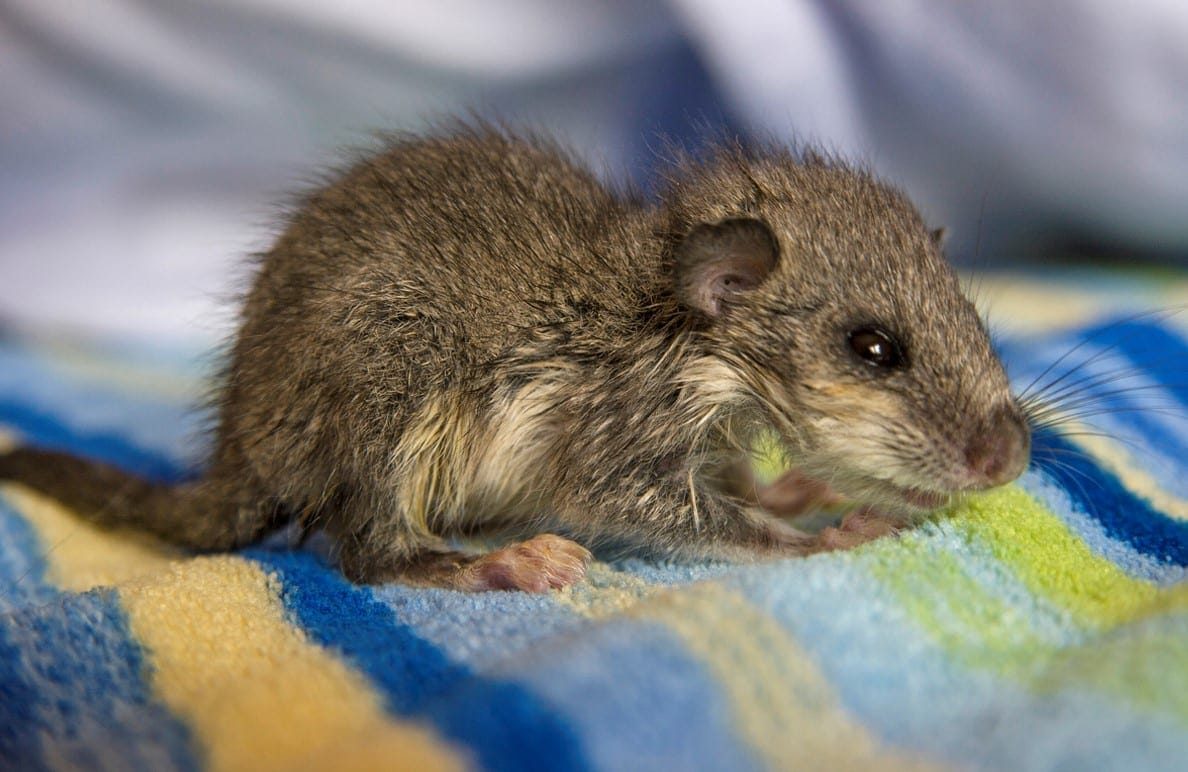
The attic mouse isn’t just any rodent. It belongs to the Gliridae family, a group often overshadowed by its more notorious cousins in the wall. But don’t let the cute description fool you. This small creature, measuring about 20 centimeters long, is a master of infiltration. It has massive ears and wide, black-rimmed eyes that seem to see everything in the dark. The final detail? A fluffy tuft of hair at the end of its tail. It’s distinct. It’s identifiable. And if you hear scratching behind your plaster, it’s likely inside.
You know the signs. Nighttime noises. Scratching. Gnawing. The sound of tiny feet darting across beams high above your bed. You suspect a family of dormice is turning your loft into their personal playground. Or worse, your electrical wiring is under attack. Insulation torn apart for nesting material. Damage mounting. The question isn’t whether they are there. It’s how to get them out before the cost of repairs exceeds the cost of prevention.
Identifying the Intruder
Most people confuse dormice with common mice or rats. They aren’t. Common house mice are smaller. Sleeker. Less fluffy. Dormice are heavier. They move with a deliberate, agile grace suited for climbing. They prefer height. Trees. Barns. Attics. They avoid the ground floor unless forced out. If you are dealing with how to get rid of dormice in the house, you first need to confirm you aren’t fighting a battle for the wrong enemy.
Check for specific damage. Look for gnaw marks on wooden beams. Check electrical cables for thinning insulation. These rodents chew constantly to wear down their teeth. The damage is structural. It’s hidden. And it spreads.
Step 1: Seal the Entry Points
You cannot evict tenants if you leave the door open. The first step in any dormice removal process is physical exclusion. Inspect your roofline. Check eaves. Look for gaps around pipes, vents, and chimneys. Dormice are small. They can squeeze through spaces as tiny as a euro coin. Use steel wool mixed with caulk. Or hardware cloth. Do not use foam alone. They will chew through foam like paper.
Focus on the attic hatch. This is the primary highway. Ensure the lid closes tightly. Add a weather strip if necessary. Block every potential entry. This stops new ones from entering while you work on the current infestation.
Step 2: Deploy Live Traps
Poison is not the solution here. Dead rodents smell horrific. They decompose inside walls. The odor lingers for months. It ruins the value of your home. Instead, use live traps. Snap traps are effective but messy. Live traps allow for humane relocation. However, relocation is illegal in some areas and often leads to the death of the animal due to stress or inability to survive. Check your local laws.
Use bait that appeals to their omnivorous diet. Nut butter. Dried fruit. Berries. Place traps along the walls. Dormice follow edges. They do not run across open floor space. Position traps in corners. Near insulation piles. Behind stored boxes. Check them every morning. A trapped dormice left too

Sealing your attic is the only way to truly win this war. You have to block every single entry point. If you miss one gap, they will get back in. It’s tedious. It requires patience. But it’s the foundation of keeping your home safe.
Start with the roof. Climb up with a sturdy ladder. Inspect every inch. Look for cracks, vents, and gaps around pipes. A hole just one centimeter wide is enough for a grey squirrel to squeeze through. Fill those small gaps with cement or sealant.
For larger openings and ventilation areas, use fine wire mesh. Don’t let them chew through soft materials. Seal the tiles at the eaves with specialized devices designed to keep rodents out.
Cut back any tree branches that touch your roof. They are bridges. If a branch can reach your roofline, a squirrel can use it. Remove climbing plants from your facade too. Clear the path.
Inside the attic, don’t store food. No fruit. No cereal. Squirrels forage. If they find a pantry, they stay.
Using Ultrasonic Repellers
You’ve sealed the attic. But you still hear scratching. The squirrels are still there. Now you push them out.
Buy an ultrasonic device made for rodents. Most run on batteries or rechargeable cells. This matters because attics often lack power outlets. You can place these anywhere.
For your garden or fruit trees, get a solar-powered unit. It withstands rain. It sits in the orchard and emits a frequency that humans can’t hear. Rodents find it unbearable. They move on. Most of them. Some might get used to the noise. But many will leave to find easier food elsewhere.
If you use these inside your house, remember the physics. Sound waves don’t pass through solid walls. You need one device in every room you want to protect. Otherwise, the squirrels will just hide in the unaffected spaces.
Trapping and Relocating
Want to catch them and release them? It’s a valid choice. Grey squirrels are part of the ecosystem.
You need a live trap. Specifically, a double-door cage. Single-entry traps are too easy for squirrels to escape. Double-entry designs are more reliable. You can find them at hardware stores or online.
Set the trap in the attic or where you see activity. Use multiple traps if the infestation is heavy. Cover them with a towel to keep them calm.
Bait is key. Use fresh fruit. Squirrels love it. But wear gloves when you set the trap. Squirrels have sensitive noses. If they smell human scent, they won’t enter. Even with tasty bait, they’ll suspect a trap.
Once set, leave the room. Check the traps every morning. Do not skip days. Captured squirrels stress easily. They can hurt themselves or die from lack of food or water. Check daily.
Found one? Release it far away. Put the trap back. Keep going until the noise stops.
Why Killing Them Is a Bad Idea
You’ll see traps that kill. Snap traps. Glue boards. Poison.
Don’t use them. Grey squirrels are protected under European law (Annex III of the Bern Convention). It is illegal to exterminate them.
Exceptions exist for severe infestations. But you need permission from your local prefecture first. Without that authorization, lethal methods are off the table. Even if you have permission, non-lethal methods are safer for your home and pets.
When to Call a Professional
If you’ve tried everything and they are still there, call an expert.
Professional pest controllers have the tools and knowledge to handle severe cases. They can identify hidden entry points you missed. They can remove insulation that has been damaged.
It costs money. But it buys you sleep. No more scratching in the night. No more fear of chewed wires or compromised insulation.
Sometimes, the noise becomes more than an annoyance. It becomes a structural threat. If that’s your situation, stop DIY attempts. Let the pros handle it.
They’ll get them out. You’ll get your quiet back.