Some food stains are nightmares. Coffee. Tea. Gum. Peanut butter. Mustard. Berry juice. Tomato sauce. Baby food. Red wine. Chocolate. Cooking grease. Butter. You name it, it stains. And once it sets? It’s a war you don’t always win.
Food is life. It’s also fun. Until it isn’t. Until your favorite silk blouse becomes a canvas for Alfredo sauce. Tragic. We can’t stop you from wearing plastic wrap to dinner. We can’t force you to eat naked. But we can teach you how to clean up the mess when life gets messy.
Time is your enemy here. The faster you act, the better your odds. Keep a stain remover pen handy. It’s small. Fits in a glovebox or purse. It won’t fix everything, but it’s a good first step. Now let’s look at the worst offenders. We’ll start with the morning brew and the sticky culprit of summer picnics.
How to Remove Coffee and Tea Stains Before They Set
Spilling coffee seems minor. The stain isn’t dramatic like ketchup. It looks harmless. It lies. Once it sets, coffee and tea stains are persistent. They linger. You think you’re done. Then you see the faint yellow outline again. Defying you.
Don’t give up your morning brew. Just change your reaction.
- Fresh stains? Rinse with hot water immediately. This works for heat-tolerant, color-fast fabrics. Do it fast.
- Older stains? Soak the spot in dishwashing liquid. Or use a commercial spot remover. The soap breaks down the oils and pigments.
- Set, old stains? Borax might be your only hope. It’s an oxidizing agent. It breaks the chemical bonds holding the stain to the fibers. Mix 2 tablespoons of borax in a cup of water. Pour it on the stain. Let it sit for 10 minutes. Rinse. Wash normally.
If you’re cleaning mystery stains and can’t identify the culprit, play it safe. Read the care label. Start with the gentlest method. Look at the color. A green mark on jeans could be pesto. Or grass. Misdiagnosing the stain leads to wrong treatments. And wrong treatments can set the stain permanently.
How to Remove Chewing Gum From Fabric
Gum is different. Water won’t help. Heat will make it worse. You need to freeze it. Grab an ice cube. Or a bag of frozen peas. Press it against the gum. Wait. You want the gum hard. Brittle.
Once it’s frozen solid, you can scrape it off. Use a dull knife. Or a spoon. Be gentle. You don’t want to tear the fabric. You’re just trying to remove the bulk of the gum.
There will likely be residue left. Oils. Dyes. That’s the next step. But first, get the bulk off. Freezing and scraping is the only way to go. Nothing else will work.
Try not to panic. You’ve got this. Or at least, you have a plan. The next stains are just as tricky. And you’ll need more than ice.


The Freezer Trick for Stubborn Gum
Gum stains are gross. We get it. But they aren’t a nightmare to remove. You just need to change the state of the substance. Heat makes gum soft. Cold makes it brittle. That is the entire strategy.
For fabric items, toss the garment in the freezer. Let it sit. You need about 15 minutes for the chewing gum to fully harden. If you are dealing with carpet, you can’t freeze the whole room. Instead, apply ice cubes directly to the stain. A gel cold pack from a cooler works too. Keep the cold source on the spot until the gum turns to stone.
Once it is hardened, the texture changes from sticky to crumbly. Grab a butter knife or any dull scraping tool. A spoon works too. Scrape away as much of the bulk gum as you can. Be careful not to tear the fabric fibers. Just lift and scrape.
Leftover residue can still be sticky. Rub the area with white vinegar. The acid helps break down the remaining polymers. Blot the area with a clean cloth. Do not rub, or you might spread it. Finally, wash the item as normal. Check the care label for water temperature limits.
Tackling Peanut Butter Stains
Peanut butter is delicious on bread. It is a disaster on a white shirt. The oil content is the main problem. It binds to fibers and holds onto pigments. You need to handle this differently than a water-based stain.
First, remove the solid mass. Use a spoon or a dull knife to scrape off the paste. Do not press it into the fabric. Pull it away from the surface.
If the stain is fresh and small, dish soap is your friend. Dishwashing liquid is designed to cut through grease. It breaks down the oils in the peanut butter. Apply a small amount directly to the stain. Gently scrub it in with your fingers or a soft brush. Rinse with the hottest water safe for that fabric. Heat helps release the oil.
For old or large stains, dish soap might not be enough. You may need a dry cleaning solvent or a commercial spot remover. These products are stronger. They target oils that water and soap can’t touch.
Test any chemical cleaner on a hidden seam first. You do not want to bleach your favorite jacket. Follow the instructions on the bottle exactly. Let the solvent dwell for the recommended time before rinsing.
Why does dish soap work so well here? Try a simple test. Put a drop of oil on a plate. Add a drop of dish soap. Watch how it emulsifies. The soap surrounds the oil droplets, allowing them to wash away. It is simple chemistry. Use that power to your advantage.
Mustard: The Yellow Enemy
Mustard stains are tricky

Mustard is deceptive. It looks thick and yellow, but it acts like a wet dye the moment it hits fabric. You need to act fast. Blot the excess immediately. Don’t rub. Rubbing pushes it deeper into the fibers. Once the bulk is gone, scrape off any solid bits.
Getting mustard out is harder than you think. It stains. Your best move is to pretreat with a commercial spot cleaner. Soak the garment in cool water and color-safe bleach. If that fails, try a dry cleaning solvent.
Handling Berry and Juice Stains
Blueberries are delicious until they ruin a white shirt. Grape juice and cranberry juice are just as bad. They leave bright purplish marks that are nearly impossible to ignore. You want to avoid looking like a fruit salad for weeks.
The fix is simple. Mix equal parts dishwashing liquid and white vinegar. Rub this mixture into the stain. Let it sit for about 15 minutes. The acid in the vinegar helps break down the pigments. The soap lifts the residue.
Rinse with warm water. Launder as usual. Repeat if needed. For white tablecloths, fabric bleach works well too. Just be careful not to use it on colored fabrics.
Tackling Tomato-Based Sauces
Tomato sauce is a nightmare for light fabrics. The red pigments bind tightly to cloth fibers. It’s not just a surface stain. It penetrates. You have to treat it like a dye job.
Start by scraping off any chunky parts. Use a blunt knife or a spoon. Be gentle. You don’t want to fray the fabric. Next, rinse the stain with cold water. Hot water sets the stain. Cold water helps flush out the excess sauce without locking it in.
Apply a prewash stain remover directly to the spot. Rub it in gently with your fingers or a soft brush. Let it sit for at least 15 minutes. If the stain is old or stubborn, try a paste made from baking soda and water. Apply it, let it dry, then brush it off. The baking soda helps lift the pigment.
Wash the garment in the warmest water safe for the fabric. Check the stain before drying. Heat from the dryer sets any remaining pigment. If the stain is still there, repeat the process. Don’t put it in the dryer until it’s gone.
For whites, you can add chlorine bleach to the wash cycle. For colors, stick to oxygen-based bleach. It’s safer for fabrics and still effective on tough stains like tomato.
The Grease Factor
Many stains involve oil. Ketchup has it. Salad dressing has it. Makeup has it. Oil repels water. That’s why plain water does nothing. You need something to break the bond between the oil and the fabric.
Dish soap is your friend here. It’s designed to cut grease. Put a drop of clear dish soap on the stain. Work it in. Let it sit for 10 minutes. Then rinse with warm water.
For heavier grease, like cooking oil or butter, use a dry cleaning solvent. Apply it with a clean cloth. Blot from the outside in. This prevents the stain from spreading. Don’t rub. Rubbing spreads the grease further.
Always test any cleaner on
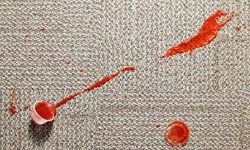
Heat is the enemy. Specifically for tomato-based messes, hot water is a death sentence for the fabric. If you splash marinara, ketchup, barbecue sauce, pizza sauce, or salsa on your shirt, rinse it immediately. Do not use warm or hot water. The heat locks the pigment into the fibers permanently. And here is the hard rule: if the stain survives your first wash attempt, never put the garment in the dryer. Heat sets tomato stains permanently. You will spend the rest of your life living with that orange-red ghost.
The Cold Water Protocol for Tomato Stains
Start with what you likely have in your kitchen. Cold water. White vinegar. Dishwashing liquid.
Mix two tablespoons of white vinegar and a tablespoon of dishwashing liquid into a bowl of cold water. Submerge the stained area. Let it sit. Do not rush this. The soak time is important; let the mixture work for at least half an hour. After thirty minutes, gently rub the spot to help release any lingering discoloration. Rinse with cold water.
Check the fabric. If the stain is still there but lighter, repeat the process. As long as you haven’t applied heat, you still have a good chance of getting the stain out with continued effort. The chemistry is simple: the acid breaks down the pigment, the soap lifts the oil, and the cold water prevents setting.
If the stain is very noticeable after two attempts, escalate. Treat it with a commercial stain remover. There are a number on the market designed for protein and pigment removal. Follow the manufacturer’s directions for presoaking. Most require ten to fifteen minutes of dwell time before washing.
When store-bought solutions fail, you can get more aggressive. Use a dry cleaning solution from the laundry aisle. Or try the DIY approach with WD-40. Yes, the spray lubricant you may have in your garage. It sounds counterintuitive. Oil on top of oil? It works because the solvent in the WD-40 breaks down the tomato’s lipid base.
Test an inconspicuous section of the material first. Fabric compatibility varies. If you do try WD-40, make sure to remove any oily residue in cold, soapy water after application. You need to wash away the solvent before the stain comes back or leaves its own grease mark.
Scraping and Soaking Baby Food Stains
Young children have very effective throwing arms. It’s really amazing how far pureed carrot can travel. Now that you’ve washed it out of your hair, you can begin removing it from the kitchen curtains. The reality of parenting is that soft surfaces are just targets waiting to happen.
Baby food comes in a number of varieties, but we can offer some basic suggestions on how to remove it from soft surfaces. The primary culprit is usually beta-carotene (orange) or beets (red), both of which are organic pigments that bind tightly to fabric if left to dry.
Scrape off as much of the stain as possible. Use a dull butter knife or the edge of a spoon. You’ll have better luck getting the stain out if you catch it before it dries, too. Fresh stains are surface-level. Dried stains penetrate the fiber core.
Pretreat fabric with spot stain remover according to the manufacturer’s directions. If the stain has dried in place, this may require soaking it for a number of hours. Do not be shy with the soak. Let it sit overnight if needed. After soaking, wash fabric as you would normally, but don’t put it in the dryer. The heat may set any stain residue permanently. Let the fabric air dry. Repeat the process as needed.
If the stain just won’t go away, try rubbing it with an alcohol-based cleaner. Sometimes even alcohol-based hand sanitizer will work. The alcohol acts as a solvent for the organic pigments, lifting them from the weave. Blot, don

Why Heat Sets Chocolate Stains Permanently
Chocolate is a friend to your stomach, but an enemy to your silk blouse. Here is the trap: heat. Just like tomato sauce, hot water locks chocolate into fabric fibers. If you’ve already bashed your stained garment in the washer with hot water, you might be staring at a permanent shadow. But if you haven’t, you still have a chance.
The strategy is simple. Reverse the flow. Turn the garment inside out. You want to push the stain out, not deeper in. Place the stained area face down on a stack of fresh paper towels.
How to Lift Chocolate Without Rubbing It In
Don’t scrub. Rubbing just mashes the oils and cocoa into the weave. You need to lift.
- The Mix: Combine one teaspoon of dishwashing liquid, half a teaspoon of ammonia, and a cup of cool water.
- The Application: Dip a soft, lint-free cloth into the mix. Blot the stain from the back side of the fabric.
- The Transfer: Watch the paper towels underneath. You want the chocolate to move from your shirt to the paper. If the stain fades, move to a clean section of paper and keep going.
What to Do When Ammonia Fails
If the ammonia mix doesn’t kill the stain, bring in hydrogen peroxide. Use a 3 percent solution. Pour it directly on the spot. Let it sit for a few minutes. Then rinse thoroughly with cool water.
Note: Hydrogen peroxide is a bleach alternative. It can strip dye from dark fabrics. Test a hidden seam first. Do not skip this step if you are wearing black denim or a navy shirt.
The Grease Trap: Butter and Cooking Oil
Grease stains are sneaky. They smell like nothing at first. But ten minutes later, you notice a translucent patch on your cuff. Cooking grease and butter behave differently than wine. They don’t dye the fiber; they coat it. That means water alone won’t touch it. In fact, water can sometimes spread the oil further if you aren’t careful.
The goal here is absorption and emulsification. You need to lift the oil off the fiber and break it down before it sets. If you put this garment in the dryer, the heat will bake the oil into the fabric permanently. Once it’s dried with heat, the stain is likely there to stay.
Removing Grease Stains: A Step-by-Step Fix
- Scrape First: If there is solid fat (like butter or cold grease), scrape it off gently with a knife or spoon. Don’t grind it in.
- Apply Absorbent: Sprinkle cornstarch, baby powder, or even flour over the stain. Let it sit for 15 to 20 minutes. The powder will pull the oil out of the fabric. Brush it off.
- The Dish Soap Attack: Dish soap is designed to cut through grease on plates. It works on clothes too. Apply a drop of clear dish soap (like Dawn) directly to the stain. Gently work it in with your fingers or a soft toothbrush.
- Let It Sit: Allow the soap to penetrate for at least 15 minutes.
- Rinse and Check: Rinse with the hottest water safe for the fabric. Check the stain. If it’s gone, wash as usual. If it’s still there, do not dry it. Repeat the process.
Dryers are the enemy of grease stains. Heat sets them. Always air

Cooking grease and butter are notorious for embedding themselves into fibers. They resist removal. That doesn’t mean your favorite shirt is trash, though. Grease stains yield to specific agents that won’t damage most fabrics. The goal is simple. You need to break down the lipid structure and suspend it in water so it can rinse away.
Dishwashing detergent is the logical first move. It’s engineered to cut through grease on plates, so it works on clothes too. This method is effective for tough stuff like peanut butter, but it’s also ideal for cooking oils. Apply a drop of liquid dish soap directly to the stain. Use a sponge or clean cloth to work it in. Gently rub the fabric together. Rinse with water. If the fabric is thick or sturdy, you can use a soft-bristled brush. An old toothbrush works fine. Scrub gently to lift the residue.
Using Alcohol for Stubborn Residue
If the soap doesn’t do the job, alcohol is your next step. Many commercial spot cleaners use alcohol as a base. Check the ingredients before buying. Look for high alcohol content. If you don’t have a dedicated spot cleaner, hand sanitizer works in a pinch. It’s mostly alcohol. Rubbing alcohol from your medicine cabinet is another option. Apply it to the stained area. Blot, don’t rub aggressively, to avoid spreading the oil further.
The Wood Soap Solution
For stains that refuse to budge, consider a DIY treatment using wood soap or wood cleaning solution. This product is designed to lift grease from kitchen cabinets. It’s surprisingly effective on fabric stains too. The strong degreasers in wood cleaners break down oils that dish soap might miss.
Test an inconspicuous area first. Check for colorfastness. Wood cleaners can be harsh on dyes. Once you confirm it’s safe, soak the stained spot for about 10 minutes. Wash the garment as you normally would. You might need to repeat the process. Grease is persistent. It may take a couple of treatments to eliminate the mark completely.
Frequently Asked Questions
Can natural remedies be effective for removing tough food stains?
Yes. Vinegar helps with berry stains. Baking soda is often recommended for grease. These natural options can work well if applied correctly and promptly.
How can I prevent food stains from setting in fabric?
Speed matters. Rinse immediately with cold water. Heat sets stains. Do not use hot water or put the item in the dryer until the stain is gone. Heat will bake the oil into the fibers, making it permanent.