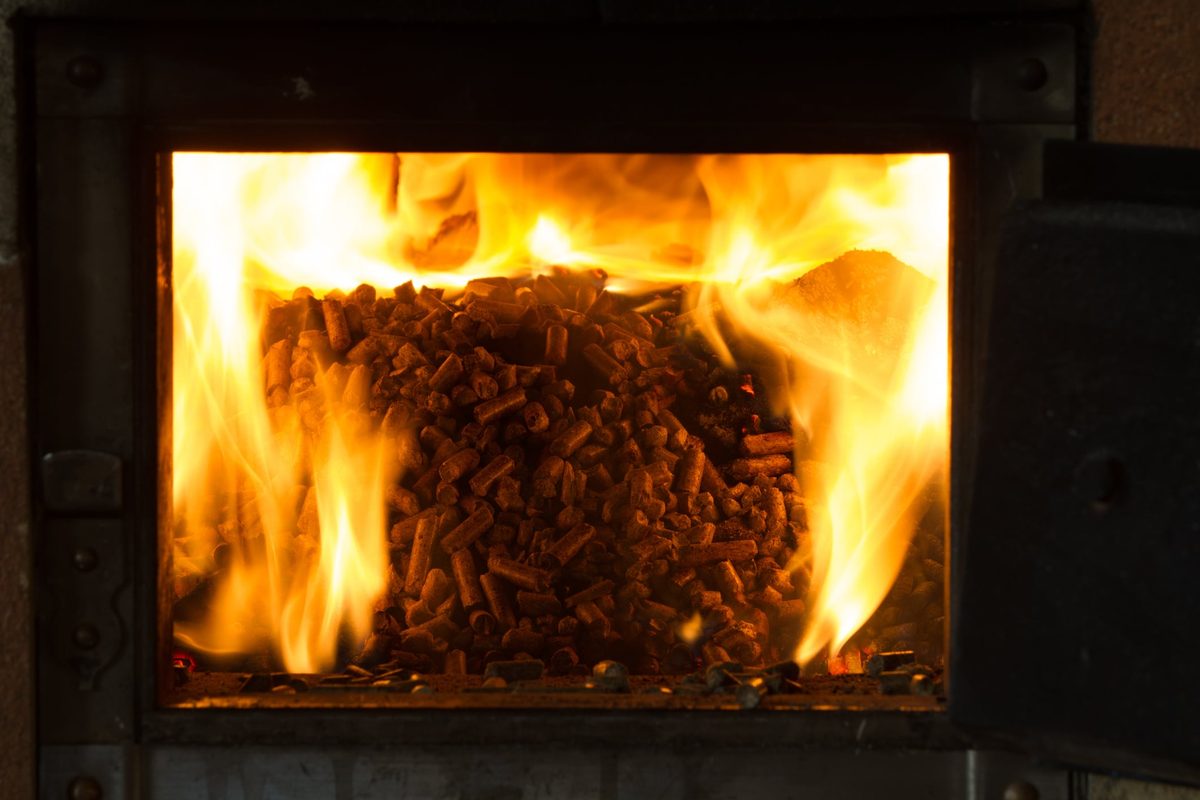
Spring has arrived. The days get longer and the need for heat decreases. You might think your pellet stove is getting a nice break. Then came a cold night. Or a long, gray, sunless afternoon. Suddenly you reach for the dial. You want warmth, but I don’t want to buy an electric heater. It’s natural, right? Pellets are cheaper. This works well. Adjust the stove to the lowest setting to stretch the fuel.
This seems like a small but smart choice.
It isn’t.
Using a pellet stove at a lower temperature doesn’t just mean saving money on bills. This is a mechanical gamble. The wear of the device can accelerate, the heating power can decrease and the general service life can be shortened. Low settings completely change the fire cycle. Fire becomes lazy. Cleaning becomes even more difficult. Damage builds up silently until something breaks.
Here we introduce you to the reality of your pellet stove being too low and the practical steps you can take to keep your pellet stove alive and efficient.
The Physics of the Low Setting
Pellet stoves are not heaters. It is a type of internal combustion engine. Clean and complete combustion requires a certain ratio of air and fuel. The lowest setting limits the oxygen supply. The fire won’t go out, but it’s hard to breathe.
This causes smoldering and inefficient combustion.
The main reason is creosote. This thick, tar-like substance accumulates on glass doors, heat exchangers and flues. This does not happen with electric heaters. They just glow red and give off heat. Pellet stoves produce by-products. At low settings, these byproducts do not burn out. They stay.
“While setting the stove to the lowest speed may seem harmless, it causes incomplete combustion and residue build-up.”
This residue acts as an insulator. It can prevent the transfer of heat into the room. It also restricts air circulation. The fireplace tries harder to pull air through of the blocked passage. The fan motor is under load. The auger clogs easily. The cleaning intervals are shortened every few weeks to a few days.
Why slow speed degrades performance
You run the stove low to save money. However, the efficiency has decreased.
Incomplete combustion means that there is less heat per pellet. You will probably burn more pellets to get the same room temperature. The stove turn on and off more often because they have a harder time maintaining thermostat settings. This cycle causes electronic control boards and sensors to wear out faster.
The noise also changes. A healthy stove produces a steady, low hum. A choking stove rattles. When the air flow is restricted, the pressure difference in the combustion chamber can vary significantly. This vibration can loosen screws. It cracks seals. This can stress glass doors that are already under heat stress from uneven burning.
How to use your stove safely in the spring
The device does not need to be turned off completely. However, it must be used correctly.
- Check Thermostat Setting : If your stove has an ambient temperature thermostat, set the temperature higher. Wait until the room cools down naturally, then put the stove on medium heat. This allows for a complete hot burn cycle.
2.**
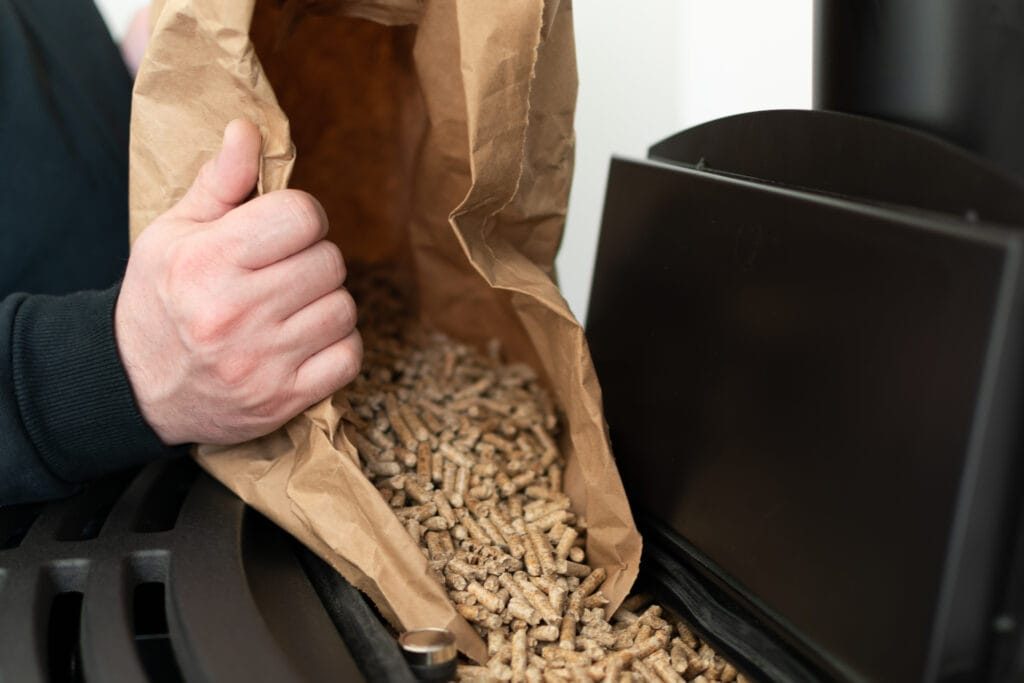
Leaving your pellet stove on the lowest setting all winter might seem like a smart way to save energy. This seems logical. Keep the heat low. Maintain a constant temperature. Avoid overheating your home.
However, this method will silently destroy your device.
If you use the pellet stove at minimum speed for long periods of time, incomplete combustion may occur. The firebox gets too cool. Pellets do not burn cleanly. Instead of becoming heat, they become waste. Ash and soot can quickly accumulate inside the device. This layer covers the crucible, walls and exhaust pipes.
The result? Your stove becomes less efficient. It burns more pellets to produce the same amount of heat. You think your home is cold. You turn on the stove. You end up using more fuel. It’s a vicious cycle that drains your wallet and shortens the life of your device.
Hidden costs of low-temperature operation
The damage is not only superficial. This is mechanical.
As the combustion chamber remains cold, the unburned particles settle into the gaps of the furnace. These residues can block air passages. They choke the airflow. The fan has to work harder to force the air into the blockage.
This leads to several critical problems:
- Poor heat distribution: If the oven is blocked, it does not circulate the heat evenly. There are hot spots near the device and cold spots in the corners of the room.
- Exhaust gas problems: Soot accumulated in chimneys limits exhaust gas emissions. This increases the risk of backflow and dangerous gases leaking into your home.
- Premature wear: Can put unnecessary stress on internal parts, especially fans and auger. Parts are damaged faster. Repairs should be done more often.
How to prevent it from accumulating
You don’t have to keep your stove at maximum power all the time. It’s such a waste. You need to change the speed.
It is important to alternate high and low settings. Let the stove run hotter for short bursts. This higher temperature will burn off any residue that accumulates more slowly. Keep the crucible clean. Ensure complete combustion.
Think of it like cleaning a pan. If you only cook on low heat, the ingredients will stick to each other. Occasional heating will burn off the remains. Pellet stoves require the same high temperature flash.
Maintenance: Non-negotiable daily tasks
Even with perfect use, dirt accumulates. Regular cleaning is not an option. This is essential.
Don’t just glance at the ash pan. Look deeper.
- The Crucible: This is where the fire lives. A dirty crucible means poor combustion. Scrub it regularly.
- Exhaust pipe: Soot flows here. Disruption here is dangerous. Clean thoroughly.
- Fan: The fan blades are covered in dust. This reduces the efficiency of the airflow. Wipe them off.
- Ashtray: Empty it before filling with ashes. Spilled ash can smother the flame or damage the sensor.
In addition to these monthly inspections, hire a professional to perform an annual inspection. They can see inside heat exchangers and flues in a way you can’t. This small price can prevent a catastrophic failure later.
Quality is important
You get what you pay for. Using cheaper, lower density particles causes more pollutants. The higher the ash content, the more often it needs to be cleaned and the faster it gets clogged.
Invest in high quality certified pellets. They burn cleaner. Less ash is generated. The frequency of maintenance work is reduced. This is a small initial cost, but it more than pays for itself in lower fuel consumption and less wear and tear on the furnace.
Warning signs you ignore
How do you know there is a problem with your oven? Watch out for the following red flags.
- Slow heating time: If it takes a long time to heat the room, something is blocking the heat transfer.
- Increasing pellet consumption: If you buy more bags, but the room is cooler, the power of your oven will be lower.
- Unusual noises: Rattling, whistling or clicking noises from the fan or exhaust system may indicate a blockage or mechanical stress.
If you notice something like this, stop guessing. Clean the unit. Or call a technician. Ignoring these signs can lead to higher bills.
Long-term perspective
Using your pellet stove at the lowest speed can save you money in the short term. This is expensive in the long run.
The combination of soot build-up, reduced efficiency and mechanical stress leads to costly repairs. You can protect your investment by changing settings, using quality fuel and performing timely maintenance. Keep your home comfortable. You can reduce costs.
The stove is a machine. It needs care. If treated correctly, it will last a long time. If it is ignored, it will fail.