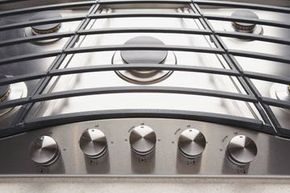
Look around your kitchen. That sink. The fridge. The faucet. They are all made of the same family of materials. Stainless steel is everywhere. From your toaster to the Chrysler Building in New York, the metal is dominant. It is sturdy. It is versatile. And, as the name suggests, it resists stains.
The material does not rust easily. This is not magic. It is chemistry.
Stainless steel is mostly iron. But it contains at least 10.5 percent chromium. Engineers sometimes round this number to 11 percent. The chromium is the key. When it meets oxygen and moisture, something specific happens. It creates a thin oxide film on the surface. This film coats the product. It protects the metal underneath.
The film is self-repairing. If you scratch your stainless steel pan with a steel wool pad, the damage is not permanent. The chromium in the exposed area reacts with the air again. The film reforms. The object stays smooth. It stays shiny. This self-healing feature is why the material lasts.
Who invented it? The history is messy. Several European and American metallurgists claim credit. We know for sure that Krupp Iron Works in Germany created an acid-resistant steel in 1908. They used it for the hull of a yacht. That was early.
Two Germans, P. Monnartz and W. Borchers, figured out the critical ratio. They discovered that chromium content determines corrosion resistance. Metal with at least 10.5 percent chromium resists rust much better. This was a major breakthrough.
In the US, Elwood Haynes patented a precursor to stainless steel in 1911. Around the same time, English researcher Harry Brearley developed a similar material. They did not get along. Haynes opposed Brearley’s attempt to patent his version. There was a four-year dispute. Eventually, they pooled their resources. They marketed their wares together as the American Stainless Steel Company.
The metal spread fast. It ended up in cutlery. Airplane parts. Golf clubs. You name it. The material found its way into almost everything almost immediately.
But here is the catch. Not all stainless steel is created equal.
Types of Stainless Steel
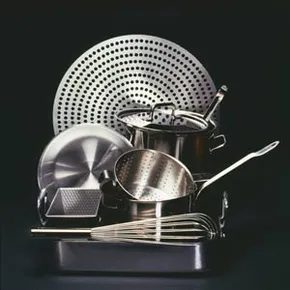
Understanding the Four Main Grades of Stainless Steel
When you are looking at materials for a home project, knowing the difference between steel grades matters. It affects cost, durability, and how the metal behaves in your space. There are four primary categories, defined by their atomic structure and chemical makeup.
Austenitic steel is the workhorse here. It accounts for 65 percent of all stainless steel produced. You find this grade in everything from high-end cutlery to automotive trim and industrial machinery. The recipe is strict: at least 16 percent chromium, no more than 0.15 percent carbon, and usually some nickel or manganese thrown in for extra toughness. It is the most common variety you will encounter in a standard home renovation.
Ferritic steel tells a different story. It contains up to 27 percent chromium but little to no nickel. You might see aluminum or titanium in the mix instead. This lack of nickel makes it more affordable than austenitic steel, but also less durable. It handles corrosion well but doesn’t have the same strength. Because of the price point, it is often used for mufflers, exhaust systems, and sometimes kitchen counters and sinks where budget is a bigger concern than extreme durability.
Then there is Martensitic steel. It is strong. Extremely strong. But it sacrifices corrosion resistance for that brute strength. It holds between 12 and 14 percent chromium, along with small amounts of molybdenum (0.2 to 1 percent) and carbon (0.1 to 1 percent). Nickel content is minimal, under 2 percent. The big catch? It is magnetic. This magnetic property is actually a feature for some homeowners. Imagine a backsplash where you can mount a spice rack or metal utensil holder directly to the wall without visible screws or anchors. You wouldn’t get that with non-magnetic austenitic steel.
Duplex stainless steel tries to have its cake and eat it too. It blends austenite and ferrite structures, aiming for a 50/50 split. The goal? Enhanced decay resistance and superior strength. Chemists look for a mix with about 22 to 25 percent chromium, 5 percent nickel, and a high level of molybdenum. This material is robust, which is why you usually see it in chemical plants and heavy-duty piping rather than on your kitchen island.
Is It Actually Stain-Proof?
You might have noticed the word “resistant” used a lot. That is not an accident. Stainless steel is not stain-proof. It is stain-less. It resists discoloration, but it is not impenetrable.
Look at the Gateway Arch in St. Louis. It is nearing 50 years old and already showing signs of rust and decay. The protective film on the surface breaks down over time. Chemicals like chloride, hydrogen, and hydrogen sulfide can stress that film, causing it to crack. Once the film is compromised, corrosion sets in.
The level of protection depends on the ingredients. More chromium equals better corrosion defense. High-end, sturdier steels also include at least 8 percent nickel, which adds another layer of defense against tarnish.
The Plating Trap
For DIYers, there is a major catch with many “stainless” products. They are often stainless steel plated. The surface is resistant, but if you cut it or scratch it deep enough to hit the base metal underneath, you have a problem. The plating can also wear off over time, exposing the vulnerable core.
Before you buy a fixture or an appliance, check the specs. Clarify whether the item is solid stainless steel or just plated. If you scratch a plated surface, you will likely see discoloration or rust forming in that spot. Solid steel might scratch, but it won’t rust at the scratch line as quickly.
Cleaning Without Damage
Even solid stainless steel needs care. Soap and water usually do the trick for everyday grime. For fingerprints or stubborn smudges, professionals suggest a few household hacks. A couple of dabs of olive oil or a spray of window cleaner can lift those pesky marks. White vinegar or cider vinegar brings back the shine.
Avoid steel wool pads. Avoid harsh cleansing powders. They will scratch the surface, creating micro-abrasions that trap dirt and potentially break down the protective film.
If you have burnt-on food in a stainless pan, let it soak in warm water first. Then, use baking soda and a nylon scouring pad. It is gentle on the finish but effective on the gunk.
Decoding the 18/10 Label
You will often see numbers stamped on flatware or appliances. “18/10” is a common tag. It refers to the proportion of chromium and nickel.
18 percent chromium provides the corrosion resistance. 10 percent nickel adds durability and a specific luster. This grade commands a premium price because it offers better protection against corrosion than ordinary flatware, which might have lower nickel content. It is a quick way to gauge quality before you even lift the product.
The Truth About “Stainless” Steel
Let’s cut the marketing fluff. Calling stainless steel “stain-proof” is a lot like calling your “wrinkle-free” slacks truly wrinkle-free. You know the tag is there. You also know that if you sleep in them on a park bench, they’ll look like trash by morning. I’ve worn those pants straight from the dryer, walked into a meeting, and looked like I’d been dragged through a dumpster. The label lied. The fabric didn’t care.
Stainless steel is the same. It’s not magic. It’s chemistry. And like cheap trousers, it has a breaking point.
Why It Rusts Anyway
You might think the name means immunity. It doesn’t. Stainless steel resists corrosion because of chromium. When you expose it to oxygen, a thin layer of invisible chromium oxide forms on the surface. This passive layer seals the metal. It stops rust in its tracks.
But that layer can break.
If you scratch it. If you expose it to chlorides. If you let food sit on it too long. The seal cracks. And once the seal is gone, rust follows. The Gateway Arch in St. Louis is a famous case in point. It’s made of stainless steel. It’s huge. And in 2010, reporters spotted rust streaks running down its sides. Not because the material was bad. But because the environment was harsh, and the maintenance wasn’t perfect.
This is why knowing how to clean stainless steel countertops matters. It’s not just about aesthetics. It’s about preserving that passive layer.
Cleaning Methods That Actually Work
Most people use the wrong tools. They grab steel wool. They scrub with harsh abrasives. They wonder why their appliance looks scratched and dull.
Here is the reality:
- Use the grain. Always wipe or polish with the grain of the metal. Scrubbing across it creates micro-scratches that trap dirt and moisture.
- Avoid chlorides. Bleach and some heavy-duty cleaners contain chlorine. Chlorine attacks the passive layer. It causes pitting. Pitting is irreversible rust.
- Try the oil trick. After cleaning with mild soap and water, a thin coat of mineral oil can boost shine and add a temporary barrier. It’s not a permanent fix. But it helps.
The American Welding Society notes that different grades of stainless steel exist for different environments. 304 is common in homes. 316 handles salt better. If you’re near the ocean, your “stainless” needs to be higher grade. Or it needs more care.
Maintenance Over Magic
There is no such thing as zero maintenance. If you treat stainless steel like glass, you’ll be disappointed. It’s a workhorse material. It’s durable. It’s strong. But it needs respect.
Wipe it up. Don’t let acidic foods sit. Clean it regularly with non-abrasive products. Check for scratches. Fix them gently.
The British Stainless Steel Association traces the history of this material back to the early 20th century. Engineers wanted something that wouldn’t fail. They succeeded. But they didn’t invent perfection. They invented resilience. And resilience requires upkeep.
You don’t need to panic over every spot. But don’t ignore it either. That spot is the beginning of the end for the passive layer.
The Bottom Line
Is stainless steel impossible to stain? No.
Can you keep it looking new for decades? Yes.
But you have to do the work. Wipe it down. Use the right cleaners. Respect the material. Otherwise, you’re just wearing wrinkled pants to work and pretending they’re fine.