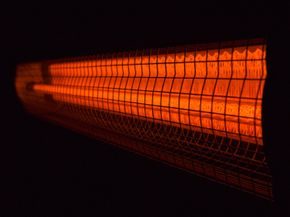
You likely remember infrared light from a high school science class, mostly as a blurry concept about wavelengths and spectrums. Maybe you’ve seen it in TV commercials for “radiant warmth” or read magazine blurbs about eco-friendly heating. But if you’re like most homeowners, that scientific groundwork faded fast. Now, staring at a catalog of heaters, you probably draw a blank.
Here is the simple truth: Infrared heaters work differently than the radiators or forced-air systems you’re used to. They don’t just heat the air in your room. They emit light that your eyes can’t see. When that invisible light hits your skin, your clothes, or your furniture, those objects absorb the energy and warm up.
Think of standing in sunlight versus sitting in the shade. You feel the sun on your face because the light is hitting you directly. The air temperature might be the same, but the sensation is different. Infrared does the same thing. It delivers heat directly to surfaces and bodies, bypassing the need to warm up the entire volume of air first.
The Mechanics Behind the Warmth
Not all infrared heaters are built the same. The technology varies based on how the heat is generated and delivered.
Some units project infrared light directly into a space. These are great for spot heating or warming objects in a room. Other models use a more complex setup. They often combine three key components:
* Infrared light bulbs that generate the radiant energy.
* A heat exchanger, typically made from a good metal conductor like copper, to transfer and amplify the heat.
* A fan that blows air over the exchanger to distribute the warmed air further into the room.
This dual approach—radiant heat plus convection—means these units can be more versatile than simple radiant panels.
Fuel Sources and Materials
When shopping for the right unit, you’ll need to decide on a fuel source and construction material. The options generally fall into three categories:
1. Electric: Plug-and-play models that run on standard household current.
2. Propane: Portable units ideal for garages, workshops, or outdoor use.
3. Natural Gas: Hardwired units that tap into your home’s gas line.
Materials matter, too. You’ll find ceramic elements, which tend to hold heat longer, and portable metal units designed for mobility. The protective cover over the heating element is usually made from copper, iron, steel, or brass. This isn’t just for looks; it protects the internal components and helps direct the heat flow safely.
Specifications to Check Before Buying
Because the market is so fragmented, making general claims about performance is tricky. You need to look at the specific specs of any model you consider.
If you choose an electric model, pay close attention to the voltage and Hertz (Hz). Most standard outlets are 120V, but some high-output units may require a 240V circuit, which means you might need an electrician to install a new outlet.
Other critical specs include:
* Heat output: Measured in BTUs or watts. Ensure it matches your square footage.
* Maximum operating temperature: How hot the surface gets, which matters for safety around kids or pets.
* Timers and thermostats: Features that let you automate heating cycles and maintain a set room temperature.
* Portability: Wheels and weight determine if you can move the unit room-to-room or if it’s a permanent installation.
* Filter controls: Some units pull air through a filter to keep dust from circulating while heating.
The Cancer Question: Is Infrared Radiation Dangerous?
Skepticism is common. The word “radiation” triggers alarms. Some homeowners worry that the infrared energy emitted by these heaters could cause cancer or harm the body over time.
This concern usually stems from a misunderstanding of radiation types. Infrared is non-ionizing radiation. It doesn’t have enough energy to remove electrons from atoms, unlike X-rays or UV light. The heat you feel is thermal energy, not cellular damage.
However, some critics argue that prolonged exposure to weak infrared heat could be as harmful as short exposure to stronger sources. While scientific consensus generally supports the safety of residential infrared heaters, it’s a debate worth noting if you have sensitive skin or specific medical conditions. Always check the manufacturer’s guidelines for recommended distance and usage time.
Are Infrared Heaters Environmentally Friendly?
“Heating green” is a slippery concept. Every method of staying warm has an environmental footprint. Even wearing extra layers has an impact if those clothes were manufactured in a factory powered by fossil fuels.
That said, some infrared heaters do offer distinct environmental advantages, particularly electric infrared heaters.
- Zero Emissions: Electric models don’t burn fuel, so they don’t release carbon monoxide, nitrogen oxides, or other harmful fumes into your home or the atmosphere.
- No Gas Lines: They don’t rely on natural gas infrastructure, reducing the risk of leaks and the environmental cost of gas extraction and distribution.
- Air Quality: Many manufacturers claim their units don’t dry out the air or consume oxygen, unlike some combustion heaters. This can mean easier breathing and less static, which is a bonus for allergy sufferers.
The “greenness” of your heater really depends on your power source. If your electricity comes from coal-fired plants, the benefit is indirect. If it comes from renewables, the benefit is direct. Comparing electric infrared to natural gas propane or oil heaters, the electric option usually wins on local air quality and indoor safety.
Rebates and Financial Incentives
Before you commit to buying a unit, look for money-saving opportunities. Governments and utility companies often subsidize energy-efficient heating upgrades.
For example, in Minnesota, certain companies offer rebates to natural gas customers who switch to new infrared heating equipment. These deals can significantly offset the upfront cost. Check with your local utility provider or government energy office for similar programs. Qualifying often requires professional installation or meeting specific efficiency standards, so read the fine print.
Where and When to Use Them
Infrared heaters aren’t a one-size-fits-all solution. They excel in specific scenarios. Because they heat objects directly rather than the air, they are highly efficient in spaces with high ceilings, poor insulation, or frequent door openings where warm air would normally escape.
They are also ideal for spot heating—warming you up while you work in a garage or workshop, rather than trying to heat the entire building. Understanding these use cases will help you decide if this technology fits your home’s layout and your daily habits.
In the next section, we’ll dive deeper into the best locations for installation and how to maximize efficiency in your specific space.
Targeted Heat: When to Skip Central Heating
Don’t let the efficiency numbers fool you into thinking an infrared unit can replace your furnace. These heaters are precise tools, not whole-home solutions. They shine in spaces where heat escapes as fast as it arrives. Think big doors that swing open and shut constantly. Warehouses. Garages. Hangars.
If your project involves drying paint or curing materials, this is where infrared beats a space heater any day. It doesn’t waste energy heating empty air. It targets the object. That focus is why you see them along factory lines or in home renovation sites.
But the technology isn’t just for jobsites. Gyms and spas are adopting these units for saunas. The mechanism is simple. Traditional saunas heat the air first, which then warms you. Infrared skips the middleman. The rays hit your skin directly, similar to sunlight but without the UV damage. It’s faster. It’s more efficient. It just works on your body, not the room.
Is Infrared Radiation Safe?
There’s a lingering fear about radiation. It’s natural to worry when you hear the word. But infrared radiation is just heat energy. It’s the same type we get from the sun. A study on industrial usage confirmed that human bodies can handle the typical exposure from these heaters without issue.
The benefits stack up. You get better energy efficiency. You get a cleaner environment if you opt for natural gas models, which are the least damaging fossil fuel option. It’s not magic. It’s physics. And the physics say it’s safe for the average user.
How Infrared Heaters Actually Work
The science is straightforward. An infrared heater, often called a heat lamp, converts electrical energy into radiant heat. This heat exists in the infrared spectrum, which is invisible to the naked eye. The transfer happens because of temperature difference. The heater is hot. You are cooler. The energy moves from the source to you directly.
This direct transfer is why they feel different than a blow dryer or a radiating baseboard heater. There’s no convection current pushing hot air around. Just direct contact with thermal energy.
Power Consumption and Costs
Do they drain your wallet? Not really. Most standard units run on 1500 watts. That’s the same draw as a powerful hair dryer. To calculate the daily cost, you multiply watts by hours, then by your local rate.
Here is the math for a 24-hour run:
1500 watts x 24 hours = 36,000 watt-hours.
Convert to kilowatts: 36 kWh.
Average US rate is about $0.13 per kWh.
36 x 0.13 = $4.68.
So, running a 1500-watt heater all day costs roughly $4.68. Compare that to heating a drafty garage with a traditional furnace, and the savings become obvious. They are safer and consume less electricity than conventional heating units for spot heating.
Ceramic vs. Infrared: Which Should You Buy?
This is a common comparison. Ceramic heaters use a fan to push heated air. They take time to warm up the space. They are louder. But they do cover a larger area. If you need to heat a whole room and don’t mind the noise, ceramic is a solid choice.
Infrared heaters are quieter. They heat up instantly. They are better at heating the specific radius around them. The downside? The coverage area is small. They can be pricier upfront. And yes, there is that unsubstantiated concern about skin cancer with frequent use. Stick to reputable brands, don’t stare directly at the element for hours, and you’ll be fine.
If you’re looking for quiet, instant heat for a workbench or a cold corner, go infrared. If you need to warm up a living room and don’t mind a fan hum, ceramic wins.
The Bottom Line
Infrared heaters are specialized. They aren’t a replacement for your central system. They are a supplement. Use them where you need direct heat. Use them where air heat is wasted. Use them when you want efficiency without the noise.
Check the specs. Look at the wattage. Make sure you have a dedicated outlet if you’re running a high-power unit. Safety first. But once you turn it on, you’ll wonder why you didn’t use one sooner.
“Infrared heat skips the air and directly heats bodies far more efficiently.”
For more details on setup and safety, refer to the manufacturer guidelines linked on the next page.