Electricity gets all the hype for being green, but natural gas holds its own—and then some. It is efficient, reliable, and surprisingly affordable. Contrary to popular belief, natural gas is actually the cleanest fossil fuel available for residential use. It emits 45 percent less carbon dioxide than coal and 27 percent less than oil. So, swapping to gas appliances is a responsible move for reducing greenhouse gas emissions.
The financial argument is just as strong. According to the U.S. Department of Energy, natural gas costs about 68 percent less than electricity per British thermal unit (Btu). Sure, the upfront price tag for a gas furnace or range might be higher than its electric counterpart. But the long-term operating costs? They drop significantly. This is especially true for heating, cooking, and drying clothes.
There is one major catch, though. Your home needs existing gas lines. If you have to dig trenches and install new infrastructure, those installation costs will eat up your savings. Make sure you check your utility access before you start shopping.
The Rise of Gas-Powered Comfort
Homeowners have relied on gas for cooking and heating for decades. But new technologies are changing the game. Natural gas air conditioning is relatively new to the market, yet it is gaining traction because it balances efficiency with environmental friendliness.
Gas furnaces are the old reliable. They are popular for a reason: they heat faster. The air coming out of a gas vent can be up to 25 degrees warmer than the air from an electric heat pump. This speed matters. If you are freezing, you want heat now, not in twenty minutes. The American Gas Association reports that natural gas is used in about 56 percent of U.S. households for heating. It is the dominant fuel for a reason.
Heating Your Home with Natural Gas
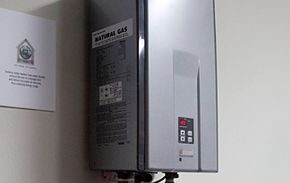
The options for heating your home are vast. Take water heaters, for example. A natural gas unit can heat up to twice as much water in the same amount of time as an electric model. If your family loves long, hot showers, this is a game-changer. You won’t run out of hot water halfway through. These units are also cheaper to operate. And here is a bonus: they continue to heat water even if the power grid goes down.
For ambiance, gas logs and fireplaces bring warmth without the mess. No ash cleanup. No wood stacking. Just a clean, consistent flame. Gas space heaters are another smart option for small areas. They work well as a supplement to central systems in drafty rooms or as a standalone heat source for a cozy den.
Cooking and Drying with Gas
Kitchen professionals swear by gas ranges. They offer even cooking, precise low-simmer temperatures, and burners with high heat output. It gives you control that electric coils often can’t match.
In the laundry room, gas dryers are fast. They dry clothes twice as fast as conventional dryers while using less energy. Modern units come with electronic sensors and temperature controls. This gentler process means your clothes last longer. Less shrinkage. Less wear and tear.
Using Natural Gas Appliances to Entertain Outdoors
Natural gas isn’t just for inside. You can upgrade your outdoor entertaining with these appliances.
Start with curb appeal. Outdoor gaslights add functional lighting to your porch or exterior walls. They look sleek and stay lit regardless of the weather. Once your guests arrive, lead them to the backyard. A natural gas grill is ready to cook gourmet meals the moment you flip the switch. No waiting for charcoal to heat up. No worrying about running out of propane tanks. These grills provide even cooking temperatures and are energy efficient. Some might say the convenience justifies the extra cost.
Keep the party going into the evening. Install natural gas pool and spa heaters. They keep water temperatures comfortable, extending your swimming season or allowing year-round hot tub use. Gas heaters warm water twice as fast as electric models. They are also energy efficient.
If you aren’t in the pool, try a patio heater. These durable units add about 10 degrees Fahrenheit (5.6 degrees Celsius) to the surrounding air. They are most effective when temperatures range between 50 and 60 degrees Fahrenheit (10 and 15.5 degrees Celsius). They let you enjoy your outdoor space even in cooler seasons.
For a fancier touch, consider a natural gas fire pit. It brings the cozy vibe of a campfire to your deck. It is safer for the environment too. Since it doesn’t burn wood, it releases no harmful emissions into the air.
What Gas Can’t Do
Natural gas is an excellent fuel source, but it isn’t a practical choice for every appliance. You still need electricity for a toaster, stereo, television, or hair dryer. However, you can generate power for these devices using distributed generation. This involves using a microturbine or gas fuel cells to produce electricity on-site. It is a niche solution, but it exists.
Natural gas appliances offer clean, convenient ways to heat your home and extend your outdoor living season. The best part? They are easy to find. If you are ready to upgrade, the technology is out there. Just make sure you have the lines to support it.