The heat is rising. We are talking serious temperatures here, pushing well past 35°C across much of the country. In the south, it is getting closer to 40°C. The nights aren’t helping either, with lows stubbornly refusing to drop below 20°C. Your home feels like an oven. Every decision you make about how to live in your space matters right now.
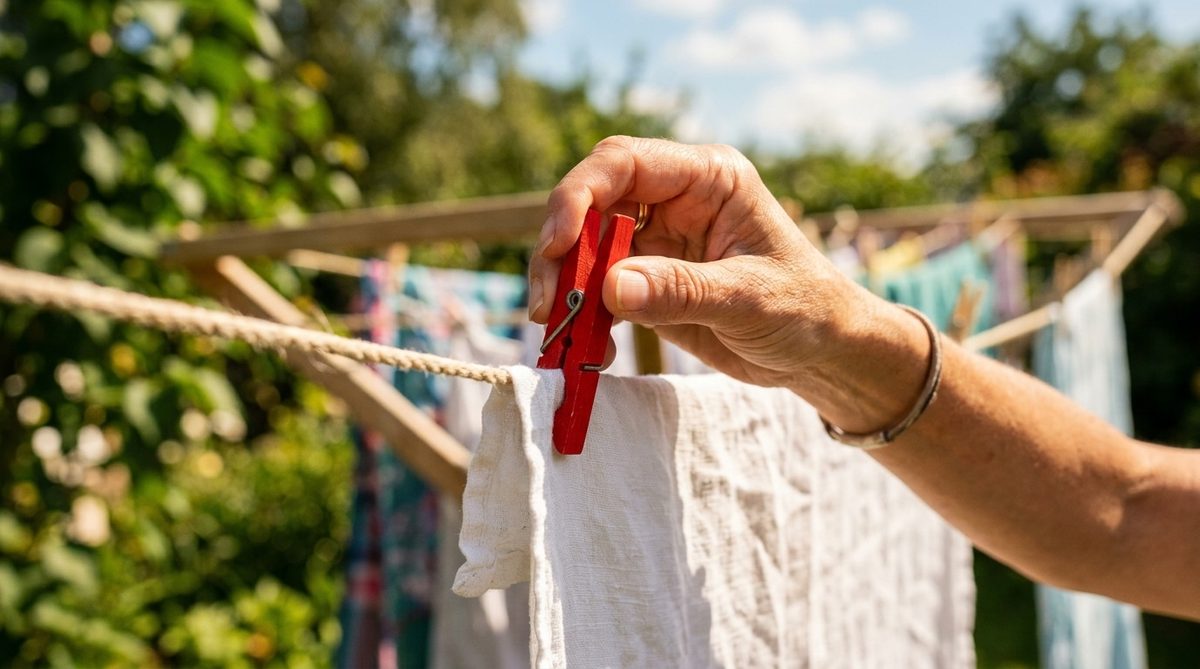
Most people have the same routine. They take the laundry out. They hang it on the balcony or in the garden. It seems obvious. The sun promises a quick dry. It gets the chore done fast. But this habit is actually working against you.
By leaving your wet clothes outside, you are missing out on a free cooling system that already exists in your home. Keeping that wet laundry indoors is not just a aesthetic compromise. It is a thermal strategy.
Why Evaporation Cools Your Living Room
The science here is simple. It relies on evaporation. When water turns from liquid to gas, it absorbs heat from its surroundings. As your clothes dry inside the room, the fibers release moisture into the air. This process pulls heat out of the room.
The result is an immediate drop in temperature. It is subtle, but it is real. You are essentially turning your laundry rack into a passive air conditioner.
This method is silent. It costs nothing in terms of electricity. It also avoids the noise and energy drain of traditional cooling systems. Consider the cost of running a standard air conditioner. They are expensive to run, especially during a long heatwave. An ADEME report notes that a portable AC unit can consume around 1,100 kWh a year. That is roughly 213 euros.
Even if you do use AC, the settings matter. Setting your thermostat to 26°C instead of 23°C can cut consumption by three times. Combining that efficiency with natural evaporative cooling makes a massive difference in comfort and bill.
How to Maximize Natural Cooling With Wet Laundry
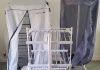
If you want this to work, you have to place the clothes correctly. Do not hide them in a closed bathroom or a dark hallway. Put the drying rack in the main living areas. The rooms where you spend the most time.
The surface area matters. Spread your sheets out. Hang the towels flat if you can. The more fabric exposed to the air, the more moisture evaporates. More evaporation means more heat absorption.
This is particularly useful in the eastern regions and Corsica, where experts predict a hotter-than-average summer. It is a small tweak to your routine that pays off in physical comfort.
Safety and Context
This trick is not a replacement for basic heat safety. You still need to hydrate. You still need to avoid going out during the peak heat hours of the day. Keep your blinds closed to block solar gain. Check on elderly neighbors or relatives who might be vulnerable.
But for the daily grind of cooling down? It is a practical move. It turns a mundane task into a wellness tool. You are not just drying clothes. You are managing your home’s microclimate.
It is a simple shift in perspective. The heat will pass. But until it does, using your home’s own resources is the smartest way to stay cool. There is a certain elegance in using what you have, rather than fighting the elements with high energy costs.
The summer is long. You might need all the help you can get.