You hear the word “linoleum” and picture your grandmother’s kitchen. It’s durable. It’s likely beige. It’s probably boring. You might assume manufacturers abandoned the material decades ago. You would be wrong.
In fact, linoleum flooring is having a major moment. Designers, builders, and eco-conscious homeowners are choosing it because it is made from natural, renewable materials. It lasts 25 to 40 years. When that lifespan ends, it can be completely recycled using various methods.
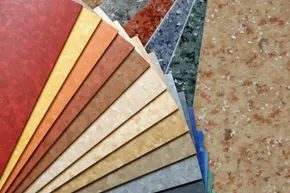
This isn’t just about sustainability. The aesthetic has changed. The ghoulish grays and dull beiges of hospital corridors and school hallways are gone. Now, you get vibrant tones. You get never-ending patterns. New installation methods have also made it cheaper and easier to put down than ever before.
The term “linoleum” has become a catch-all for resilient flooring, much like “Kleenex” or “Xerox.” But not all pliable floorings are the same. Many people confuse linoleum with modern vinyl flooring. Vinyl is synthetic. It is petroleum-based. Most contemporary vinyl products consist mainly of polyvinyl chloride (PVC), which is basically plastic.
True linoleum is different.
Only three companies in the world make genuine linoleum using linseed oil and other natural ingredients. One of those is Marmoleum. It is a trademark owned by Forbo Flooring Systems, a British company that holds a massive 65 percent of the global market share. Forbo has been making this flooring for over a century. The process has changed very little through the decades. The company boosted the appeal by introducing more colors and making the durable flooring easier to maintain.
Forbo’s Marmoleum got its name from the words “marbleized linoleum.”
What’s in Marmoleum?
If you are considering this for your home, you need to know what you are actually buying. The composition is what sets it apart from PVC alternatives. The ingredients are straightforward. They are also non-toxic.
The primary component is linseed oil. This comes from flax seeds. It is mixed with limestone dust. You also find wood flour. Pine rosin plays a role as well. Jute serves as the backing material in many versions. Everything is compressed together under heat and pressure.
This mixture creates a solid, homogeneous sheet. It is not a thin layer of plastic glued over a foam core. It is dense. It is tough.
Why does this matter for your renovation? Because these natural materials react differently to wear and tear. They breathe. They age gracefully. Scratches can often be buffed out or hidden. The surface does not delaminate like some vinyl planks might.
Safety is another factor. Since it lacks PVC, it does not off-gas the same volatile organic compounds (VOCs) that synthetic floors sometimes do. For homeowners with allergies or respiratory sensitivities, this is a significant consideration. The air quality in your home remains cleaner.
Installation also shifts with this material. While modern click-lock vinyl is designed for DIYers, traditional sheet linoleum often requires professional adhesive application for a seamless look. However, some newer formats mimic planks while retaining the natural core. These can be more forgiving for a weekend warrior
The story starts with a can of paint. Legend says Frederick Walton, an English inventor in 1860, noticed a rubbery film forming on linseed oil. He didn’t throw it out. He mixed it with natural materials, pressed it onto fiber backing, and created linoleum. The name comes from Latin: linum for flax and oleum for oil.
It wasn’t pretty at first. Plain. Drab. But it was tough and cheap.
Then came the 1960s. Plastics took over. Vinyl floors appeared. Cheaper to make. Durable. Print-ready with endless designs. Linoleum nearly died.
Not anymore. Marmoleum is selling like crazy now. Forbo makes it. Over 100 colors. Custom patterns. Installers use Aquajet systems to cut borders and shapes with water jets.
The recipe hasn’t changed much. Linseed oil from flax seeds is the base. Pine rosin adds strength. Wood flour binds pigments. No heavy metals like lead or cadmium in the colors. Mostly mineral-based. Limestone fills the gaps. Jute backing holds it all together.
Forbo plants in the Netherlands and Scotland produce Marmoleum.
The Chemistry Behind the Roll
Oxygen in the air causes linseed oil to oxidize. It forms that film Walton saw. But it takes time. Forbo speeds it up. They heat the oil. High temps. Mix it with rosin. You get linoleum cement.
Add wood dust, limestone, pigments. You get granules. Colorful. Blended together. Passed through a calendar. A rolling machine. Produces sheets. Marbled. Flecked. Solid color.
Thickness matters. Marmoleum is about 0.1 inches thick. 2.5 millimeters. Pressed onto jute backing. The pattern goes all the way through. It doesn’t wear off.
Vinyl? Thin layer on top. Heavy use wears it away.
Curing and Finishing
Sheets don’t dry instantly. They go into huge heated rooms. Called stoves. Several weeks to cure. The chemical process causes yellowing. Ambering. Temporary. Light kills it. Natural sunlight or indoor lighting clears it up.
Some products now dry in greenhouses. Sunlight helps dissipate the yellow faster.
Last step. Topshield. Water-based finish. Protects the product. Keeps colors bright. Makes cleaning easier.
Linoleum Installation and Maintenance
Marmoleum isn’t just one thing. It’s a sheet, a plank, or a tile. You can cut the wide sheets to fit any room exactly. Planks look like wood. Tiles click together. This versatility matters if you’re trying to match an existing aesthetic or just need to cover a weirdly shaped hallway.
But let’s talk money first. Installation runs between $2.75 and $3.55 per square foot. That’s not cheap. And before you rush to buy the roll, consider this: you probably shouldn’t install it yourself.
Why DIY Often Fails with Traditional Marmoleum
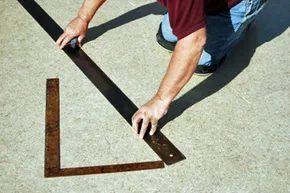
You could DIY Marmoleum. The manufacturer suggests professionals for “Click” variants, but the original? That’s harder. The sub-floor must be perfectly level. If it isn’t, the floor will telegraph every bump. And it has to be prepped to accept the adhesive.
Then there’s the material itself. The sheets are heavy. Hard to maneuver. Cutting them for a perfect fit without fraying or jagged edges requires practice. You need expertise.
Seams are another headache. They aren’t just glued down. They’re bonded using a heat process. One wrong move with a heat gun and you melt the surface. Flooring specialists align patterns and borders correctly. They handle the seams. They know which adhesive to use.
Not all adhesives are created equal. The choice depends on moisture content in the room. Traffic levels matter. Location in the house matters. Get the wrong glue, and you get bubbling, peeling, or a mess that costs more to fix than the installer would have charged.
The Marmoleum Click Exception
Forbo changed the game with Marmoleum Click. It’s a floating floor. No adhesives. A tongue-and-groove system locks the planks together. This makes installation significantly easier.
Forbo still suggests a pro. But if you’re an experienced DIYer with the right tools—tapping block, pull bar, spacers—you can handle it. It’s the only way to truly avoid the installation pitfalls of traditional linoleum if you want to save on labor costs.
Cleaning and Maintenance Realities
Old-school linoleum needed wax. Every few months. Buffing. Polishing. It was a chore.
Marmoleum with Topshield is different. It comes ready to use. No extra topcoats unless you damage it. Even then, you might just need to reapply Topshield, not full wax.
Cleaning is straightforward. Dry mop first. Get the grit out. Dirt acts like sandpaper. Then damp mop with diluted Marmoleum Floor Cleaner.
Do not use ammonia. Harsh chemicals damage the finish. They strip the protective layer. Suddenly, you’re back to square one: staining and dullness.
Water resistance is good. Waterproof? No. Wipe spills immediately. Moisture can seep into seams. Bacteria love moisture. Keep it dry.
Protecting the Surface
Scuffs happen. Furniture moves. Chairs roll.
Put soft pads on the feet of every table and chair. It’s cheap insurance. Without them, you get permanent scratches.
If you use rugs, be careful. Only use colorfast, woven area rugs. Rubber-backed mats? Latex-backed mats? They stain the floor. Chemicals react with the linseed oil in Marmoleum. You get yellow, permanent marks. Avoid them entirely.
Permanent stains? Clean thoroughly. You might need several coats of Topshield to restore the floor. It’s a pain. Prevention is easier.
How Marmoleum Compares to Other Flooring
You’re not just buying Marmoleum. You’re choosing it over something else. Price, durability, and lifestyle matter. Here is how it stacks up against the competition.
Solid Wood and Bamboo
Highs: Natural. Beautiful. Eco-friendly. You can sand and refinish it multiple times. Clean it with a dry mop. Simple.
Lows: Spills damage it. High humidity warps it. It dents. It scratches. Furniture legs gouge it. Installation is difficult and expensive.
Cost: $7 to $12 per square foot.
Plastic Laminate
Highs: Tough. Easy to install. Floating methods available. Mimics hardwood. Resists water better than wood. Easy to clean.
Lows: Cannot be refinished. One deep scratch, and the whole plank is ruined. It’s plastic.
Cost: $4 to $8 per square foot.
Vinyl
Highs: Lots of patterns. Great for baths and kitchens. Easy install. Resists wear, moisture, stains.
Lows: Made from petroleum. Less durable than linoleum. Can yellow over time.
Cost: $4 to $9 per square foot.
Traditional Linoleum
Highs: Warm. Resilient. Works in many rooms. Resists moisture and dents. Antibacterial. Anti-allergenic. Lasts 25 to 40 years. Easy to clean.
Lows: Surface wear varies by brand and quality. Requires proper sealing.
Cost: $4 to $9 per square foot.
Ceramic Tile
Highs: Good for wet areas. Resists wear. Natural materials. Bacteria resistant. DIY-friendly.
Lows: Cold. Slippery. Tiles crack. Grout stains. Needs annual sealing.
Cost: $8 to $15 per square foot.
Carpet
Highs: Soft. Quiet. Low maintenance (surface-wise). Comes in endless fibers and colors.
Lows: Hard to clean. Spills soak in. Allergens hide deep in the fibers.
Cost: Starts at $2 per square foot.
Marmoleum’s Environmental Footprint

Environmental impact and carbon neutrality
True linoleum is not a marketing buzzword; it is a material built from raw, renewable resources. Because of this composition, the product remains nearly carbon neutral throughout its entire lifecycle. Forbo states that their Marmoleum brand consists of 96 percent organic materials. The manufacturing process avoids toxic chemicals and volatile organic compounds (VOCs) entirely.
When you look at global warming potential, the data is stark. One study ranked flooring products by their contribution to climate change. Carpeting sat high on the list. Linoleum landed at the very bottom. Oak flooring had the fewest emissions overall.
Durability and the oxidation process
The linseed oil in Marmoleum does not stop working once it touches the subfloor. It continues to oxidize. This chemical reaction strengthens the flooring over time. The result is a surface that lasts for decades. That longevity makes it suitable for high-traffic commercial spaces and homes alike.
Consider the Rockettes. They danced on the same linoleum floor at Radio City Music Hall for more than twenty years. That is not a small feat.
Hygiene and health benefits
The same oxidation process creates natural anti-bacterial properties. This is why health-care facilities and schools rely on this material. The process either kills bacteria or creates an environment where they cannot thrive. There are no hidden chemicals doing this work. It is a natural byproduct of the material’s aging.
Dust also struggles with linoleum. The surface is naturally anti-static. Dust cannot cling to it or embed itself. Wool or synthetic carpets allow dust to hide in fibers. Linoleum offers no such sanctuary for allergens.
Installation and maintenance for sensitive households
Marmaleum Click takes this further. It requires no adhesive. This makes it a popular choice for people with asthma or allergies. You avoid the fumes that come from glues and sealants.
Forbo and other green builders argue that Marmoleum does not release foul-smelling chemicals. Vinyl flooring often has that reputation. Marmoleum does not. The cleaning products designed for this floor are water-based. They do not emit chemicals either.
Long-term value and sustainability
You are not just buying a floor. You are buying a system that improves with age. The oxidation process strengthens the material. It repels dust. It kills bacteria. It requires no toxic adhesives.
For those who want to reduce their environmental footprint, the choice is clearer. Carpeting contributes heavily to emissions. Linoleum stays low. Oak is low too, but linoleum offers antibacterial benefits that wood does not.
The question is not whether it works. It is whether you can live with a floor that gets stronger over time. Most homeowners can. The Rockettes certainly did.