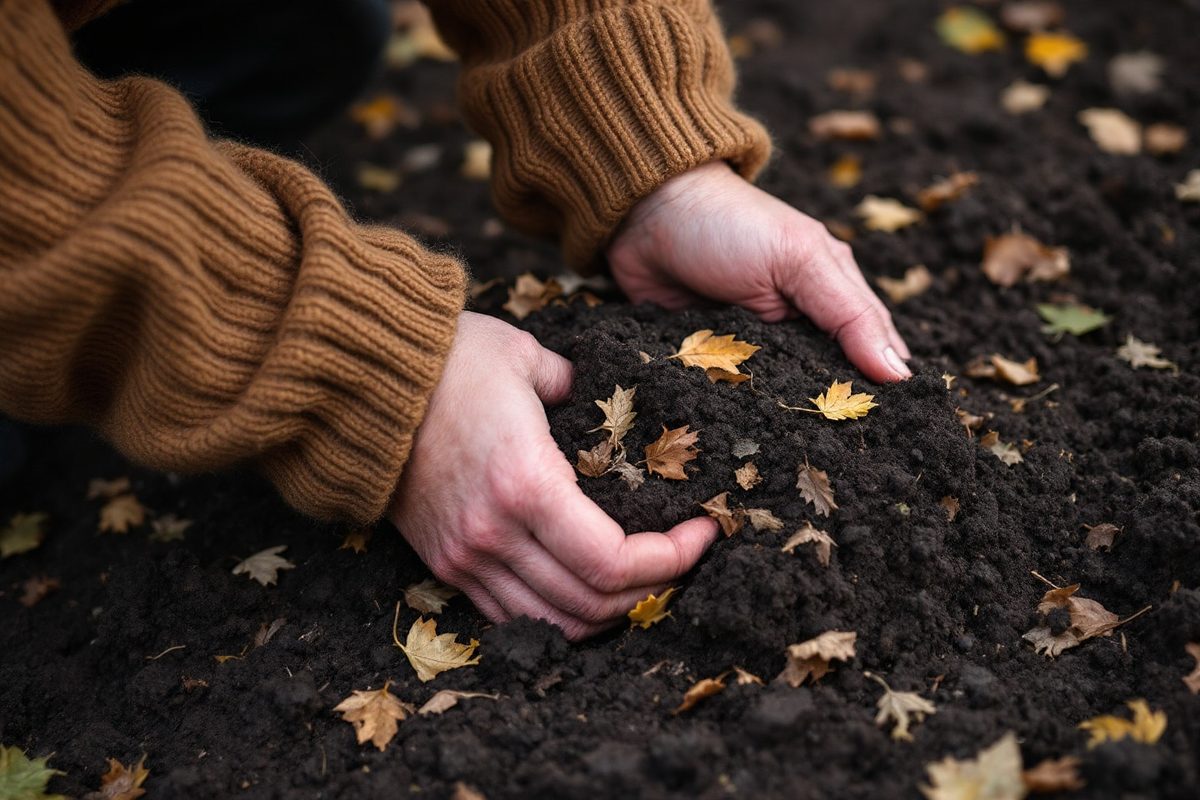
Autumn is coming. The light turns golden yellow and the first frost is just around the corner. This is not just the end of the growth cycle. It is an opportunity to prepare the outdoor space for winter without digging up the ground. This may sound counterintuitive if you’re used to digging every bed in October, but it’s a core philosophy of Japanese garden design. This style is gaining traction in France and beyond because it respects the land and doesn’t fight against it.
Japanese gardens are known for their tranquility. They look simple, but this simplicity is sophisticated. The golden rule? Work with nature. Never against it. Here are seven secrets you can use to transform your garden into a peaceful, species-rich sanctuary before the November chill hits.
Look before you act
The first secret is to just look. A Japanese-style garden begins with an observation. Take time to feel the change in the air. Notice where the morning frost lands. See which leaves turn red. Observe how the dew clings to certain stems.
This agrees with wabi-sabi. It’s a Japanese aesthetic that celebrates imperfection and the beauty of age. Your garden doesn’t have to be clean. Spotted leaf? Malformed fruit? These are not errors. They are invitations to look closer. Instead of fighting imperfection, celebrate it. Every branch, every stone tells a story. It anchors your garden in reality. It creates an atmosphere that feels alive and authentic.
Protect the soil without tilling
Traditionally, the soil is dug deep to prepare a vegetable patch or a flower bed. This disturbs the ecosystem. Today, both in Japan and among French gardeners, there is a change. We protect soil life instead of disturbing it. Permaculture methods consider the soil as a fragile web of life.
The trick is to never expose the bare ground. Collect fallen leaves, pine needles or wood shavings by mid-October. You can even add a thin layer of moss if you have it. This autumn mulch does three things. It protects from the cold. It binds moisture. It feeds the invisible microcosm below – earthworms, fungi and bacteria. You are feeding the ground while it sleeps.
Value water as a natural resource
Autumn usually brings a lot of rain. The challenge is to handle it wisely. Japanese gardens are full of small ponds, stone channels and smart rainwater systems. It’s an art form. They avoid waste and at the same time highlighting the natural beauty of the water.
Use the autumn rains to fill the rain barrel. Consider placing a small water feature in a quiet corner. A simple basin, a few smooth stones and a gentle trickle from a bamboo spout can do the trick. This arrangement attracts birds, insects and amphibians. It adds coolness and calmness to the whole space.
Maximize small spaces
You don’t need acres of land to create an enchanting environment. Japanese gardeners are masters at turning small patches into small landscapes. It’s all about minimalism. A few well placed stones. Pots of different sizes. Mossy tile. Tall bamboo stems. That’s enough to set the scene.
This reductionist approach doesn’t empty the composition. It emphasizes every detail. The red and gold autumn leaves stand out against the evergreen moss or ivy. It emphasizes the change of seasons. This makes the smallest corner feel significant.
Cut sparingly
Drastic pruning? Not here. Japan’s rule is to follow growth and not force it into a certain form. In the fall, look for broken branches or branches blocking the path. Otherwise, let the bush and tree express their natural form.
This approach preserves the winter structure. It reveals the invisible architecture that supported the plant through spring and summer. Some trees retain their elegance even when bare. Moss, lichens and bark textures beautify them. The garden does not die; it reveals its skeleton.
Recycle natural materials
Why buy new when nature provides it? Japanese gardeners appreciate everything that is at hand. Bamboo stems. Stones picked up on a walk. Driftwood. Old roof tiles. Autumn is the perfect time to take inventory and integrate them “treasures”.
A piece of bamboo becomes the plant’s support. A flat stone acts as a stepping stone. Dried branches braided together create a rustic fence. Utility blends with aesthetics. Creativity feeds on circular economy. The result is beautiful and environmentally friendly. It saves money and reduces waste.
Find harmony between order and chaos
The heart of Japanese garden art is balance. It is neither too ordered and not left entirely to chance. They design the garden like a living canvas. The plantings become strokes of color or texture. The natural elements act as changing frames depending on the season.
The goal is not only to create a beautiful space. It’s about creating a place to recharge. As winter approaches, the garden invites you to slow down. Enjoy the russet leaves. Touch the spongy moss. It offers rare calm just a few steps from your door.
what will you leave untouched this season? The answer may surprise you.
The philosophy of the autumn garden
Forget manicured lawns. A Japanese-style autumn garden is not about control. It’s about observation. Respect for biodiversity. Use what already exists.
It’s a minimalist approach. Poetic indeed. But also practical. They drop handfuls of dead leaves around tree trunks. You catch every raindrop. They reuse old stones. Broken pottery. Discarded wood. This will add depth to your garden without having to break a sweat or waste anything.
Why fight nature? Why try to control it? Just embrace its quiet power. Its beauty. Its stillness.
As the days grow shorter and the garden retreats, these principles make all the difference. Stop gardening. Start living according to the season. Now that’s real luxury. No more stuff. Less hassle. Increase presence.
Implement Wabi-Sabi aesthetics in your garden
Wabi-Sabi is about accepting impermanence. Imperfection. Decay. In your garden, this means you have to forego the “perfect” fall cleanup.
Most homeowners rake leaves into bags. Send them to the landfill. This is a waste. It’s noise.
Instead, you have to mulch the leaves. Or habitat. Or structure.
Key actions at the beginning of this season:
- Leave the leaves. Cut them lightly and let them sit. They nourish the soil. There are insects in them. They provide shelter for ground-nesting bees in the winter.
- Use natural stone. Do not buy new paving. Look for fallen rocks in your forest. Arrange them to guide the eye. Or just let them sit.
- Reuse container. Broken clay pot? Place it near the stairs. It contains moss. It keeps the rain out. Seems intentional.
- Prune for structure. Remove dead branches. But keep the interesting shapes. The Gnarls. The scars.
You don’t clean. You’re curating.
Why this is important for your soil and biodiversity
This is not just aesthetic. It is ecological.
Dead leaves decay. They release nitrogen. Phosphorus. potassium. Slowly. Naturally. No synthetic fertilizers are needed.
Insects overwinter in leaf litter. Birds look for food in the ruins. Without this layer, the foundation of the food web is lost.
By leaving the leaves behind, you promote soil health. You’re reducing runoff. You’re cutting down on required in bagging.
It’s simple. It is effective. It’s hard to argue against that.
Mental transformation: from duty to practice
Raking is tedious. It’s repetitive. It’s exhausting.
Japanese gardeners don’t see it that way. They see it as meditation. A way to connect with the rhythm of the year.
When you stop fighting the fall, you stop rushing. You will notice how the light changes. The way the shadows on the patio lengthen. The sound of the wind in the bare branches.
This change in mindset is the hardest part. Not the work. Letting go.
Once you’ve done this, the garden will feel less like a project. More like a partner.
The tools and materials you really need
You don’t need expensive equipment. You don’t need any machines.
- Sturdy rake. For picking up large piles when needed. But use it sparingly.
-**