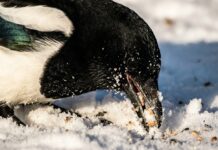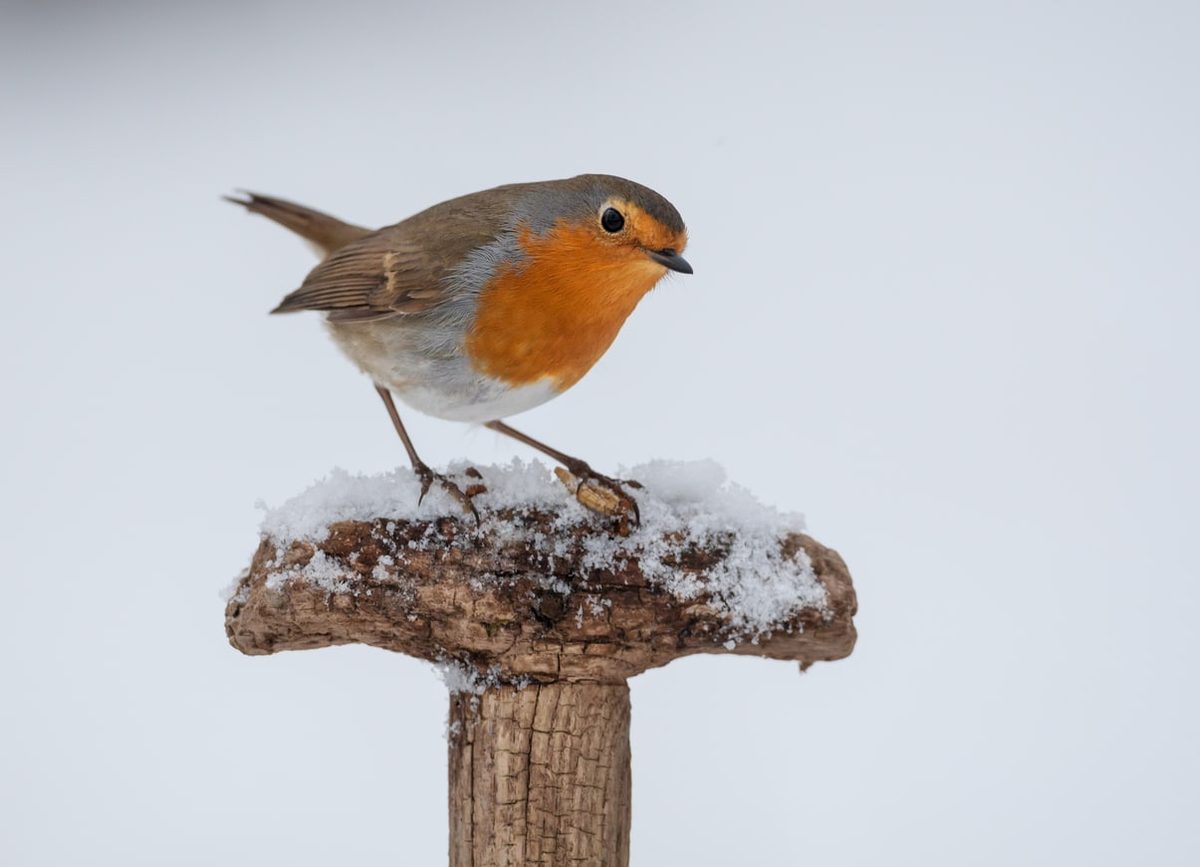
Winter is here. The air is biting, and the ground is hard as rock. For birds, this isn’t just a change of season. It’s a fight for survival.
Most homeowners react instinctively. They buy seeds. They fill feeders. They watch from the window with warm drinks. This is good. It is kind. But it is incomplete.
There is a second, often ignored gesture that matters more than calories. It isn’t food. It isn’t fat balls. It is shelter. Without it, a full belly means little against hypothermia or a hawk’s shadow.
Here is how to make your yard a true refuge this winter.
Why Birds Need More Than Food in Winter
The cold is not the only killer. Exposure is.
Temperatures drop. Resources vanish. But the biggest threat? The loss of natural cover. We have cleaned up our gardens. We’ve trimmed the hedges to razor-sharp lines. We’ve cut down the old, rotting trees. We’ve raked every leaf.
This tidiness creates a desert.
Birds need dense cover. They need to disappear from view. Wind chill kills faster than starvation for many small species. A bird shivering in an open yard burns energy it doesn’t have.
You cannot feed a bird its way out of exposure. You have to give it a place to hide.
The Critical Role of Artificial and Natural Shelters
Think of shelter as insurance. It is as vital as any sunflower seed you scatter.
A proper shelter does three things. It blocks wind. It retains body heat. It hides the bird from predators like cats and hawks.
These shelters take many forms. They range from purchased wooden boxes to simple piles of brush. The goal is the same. Create a microclimate. Create a blind spot for hunters.
Birdhouses as Winter Bedrooms
We usually think of birdhouses as nurseries. We hang them in spring for nesting.
That is wrong thinking for winter.
Birdhouses are heated bedrooms. Small birds huddle inside these boxes at night. The wood provides insulation. The darkness lowers stress. The enclosed space traps body heat from multiple birds sleeping together.
Install them now. Make sure they are insulated if you live in a zone with deep freezes. Seal gaps. Ensure drainage holes are clear so rain doesn’t turn the box into an icebox.
Different species need different entry sizes. A chickadee needs a different hole than a nuthatch. Check local guides. But generally, a 1.5-inch hole works for many small passerines.
“A birdhouse is not just for babies. In January, it is a luxury hotel for survivors.”
Hedges and Evergreens: The Living Wall
A manicured hedge is a poor shelter. It has no depth. No density.
Switch to evergreen species. Holly. Laurel tinus. Hazel. These plants hold their leaves through snow and ice. They create a dense, windproof barrier.
Stop pruning your hedges to perfection. Let them grow wilder. Leave the lower branches. Let them thicken.
This does two things. First, it creates a solid wall against the wind. Second, it provides berries. Wintering birds need calories from fruit when insects are scarce.
Planting native shrubs creates a food web. Insects hide in the leaves. Birds eat the insects. Birds eat the berries. It is a closed loop.
Brush Piles and Leaf Mounds: The Forgotten Shelters
You know brush piles for hedgehogs. You might not know they are prime real estate for birds.
A pile of fallen branches creates a labyrinth. A dark, dry, warm labyrinth.
Blackbirds. Robins. Wrens. These birds will nest in or sleep under a well-constructed brush pile. It offers protection from above and below.
Create one in a quiet corner of your yard. Use branches from pruning. Add twigs.
Do the same with leaves.
Don’t bag them. Don’t burn them.
Pile them.
Decomposing leaves generate a tiny amount of heat. They stay dry under the top layer. Birds burrow into these mounds to escape the freezing air.
“Leaving nature messy is not laziness. It is infrastructure.”
Biodiversity: The Long-Term Strategy
Shelter is immediate. Biodiversity is sustainable.
A sterile garden is a dead garden. A garden with diversity supports a complex food chain.
Plant native flowers. Let some areas go fallow. Wild patches attract insects. Insects are protein. Even in winter, some insect activity persists, or overwintering larvae provide food.
Water is also key. Ice is dangerous. A frozen bird bath is useless.
Provide a shallow dish of water. Keep it from freezing. A heated birdbath is expensive. A simple clay dish with a heating element is cheaper. Or, break the ice daily.
Birds need to drink and bathe. In winter, water loss is high. They need hydration to regulate body temperature.
Small Actions, Major Impact
You do not need a master plan. You need three steps.
- Hang a birdhouse that fits local species. Insulate it if necessary.
- Stop pruning your hedges so tightly. Let them grow. Plant evergreens if you lack cover.
- Build a brush pile in the corner. Leave the leaves.
These are not complex renovations. They require no permits. No heavy tools. Just a change in mindset.
We focus on feeding birds because it is visible. We see the seeds go in. We see the birds come. Shelter is invisible until it is gone.
This winter, look past the feeder. Look for the shadows. Look for the places where birds hide.
Give them a place to stay.
The cold will come. The wind will bite. But for the birds in your yard, it will be a little less harsh.
That has to count for something.