We take for granted the glass panes in our walls. They shield us from wind and rain. They frame our view of the neighborhood. But their real value isn’t just visibility—it’s energy. Properly insulated windows let in winter sun, which drops heating bills. That free solar gain matters. Then there’s the mental hit. Sunlight boosts serotonin. It combats the slump of a gray Tuesday. For folks in the north, dealing with seasonal affective disorder (SAD), a window seat isn’t a luxury. It’s a lifeline during the long, dark stretch between October and March.
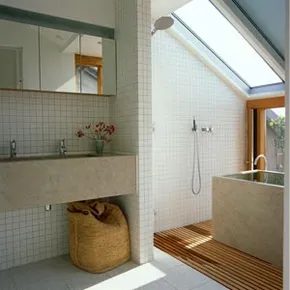
Move that same glass up. Tilt it. Or mount it flat against the roof deck. Suddenly, you aren’t just looking out. You’re looking up. This shift creates a skylight.
Adding a skylight alongside your existing wall windows does more than double the light. It changes the volume of the room. It feels bigger. Lighter. Many modern units are vented, too. Crack them open in July, and you get cross-ventilation without the dust or bugs of an open wall window.
But let’s be clear. This isn’t a DIY job for a weekend warrior with a utility knife. There is no “just glue some plastic in a hole” option if you want to keep your house dry for more than a year. The materials matter. The installation method matters. A bad install leads to leaks. A good install leads to a home that stays warm, dry, and bright.
Skylight Materials
The first decision isn’t shape or size. It’s what the dome is made of. You generally have three choices, each with distinct pros and cons regarding durability, clarity, and cost.
Polycarbonate
This is the budget-friendly option. It’s lightweight. It’s virtually unbreakable. If you live in an area with frequent hail, polycarbonate is a safe bet. The trade-off? It scratches easily. Over time, the UV coating degrades. Your skylight will yellow. It will haze. You’ll lose light transmission within a few years unless you replace it. It’s plastic. It ages like plastic.
Tempered Glass
This is the standard for most mid-range to high-end installations. It’s heavy. It’s expensive. But it’s clear. It stays clear. Tempered glass resists scratching far better than polycarbonate. It doesn’t yellow with UV exposure. If you want your skylight to look the same in year ten as it did in year one, glass is the way to go. It’s also fire-resistant, which adds a layer of safety, albeit a minor one in this context.
Acrylic
Acrylic sits between polycarbonate and glass. It’s lighter than glass but heavier than polycarbonate. It offers better clarity than polycarbonate but isn’t as durable as tempered glass. It’s a compromise. Sometimes, compromise is exactly what you need.
How Placement Dictates Performance
You can buy the best skylight on the market. If you put it in the wrong spot, it fails.
South-facing skylights capture the most sun. Great for winter warmth. Terrible for summer overheating. Without proper shading or ventilation, your ceiling will turn into a radiator.
North-facing skylights provide consistent,
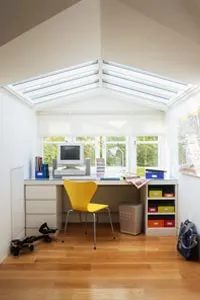
You have two main paths when picking skylights: plastic or glass. The right call depends on where you live, where the unit sits in your house, and what you can afford. Industry pros call this choice glazing. It’s just the fancy word for how the window pane is built.
Plastic wins on price. It’s cheap. It holds up okay. But it’s not invincible. Scratches appear fast. Colors fade. Warping happens under heat. And unless the plastic has a special UV-blocking film, sunlight sneaks through. That UV radiation damages your skin. It bleaches your furniture. If you see those round, bubble-shaped domes on a roof, they are likely plastic. They are also generally considered out of fashion now.
Glass costs more. Most people prefer it anyway. It lasts longer. It doesn’t yellow. It looks sharper. But you can’t just use any old window pane. Skylight glass must be safety glazing. That means it is either tempered or laminated. Or both.
Tempered glass gets blasted with heat and then cooled super fast. The result is a material that is way harder than standard glass. If it breaks, it doesn’t send shards flying. It crumbles into dull, pebble-like chunks. No sharp edges.
Laminated glass is different. It sandwiches a thin plastic film between two sheets of glass. This keeps the glass from falling out if shattered. Most manufacturers play it safe by combining them. Tempered glass on the outside to handle impact. Laminated glass on the inside to keep debris from dropping into your living room.
Managing Solar Heat Gain
Glazing isn’t just about durability. It affects your energy bill. You can tweak how much heat gets inside by changing the glass type.
Tinted glass absorbs heat. It lowers the solar heat gain coefficient (SHGC). This number tells you how much solar energy passes through. Low SHGC means less heat gets in. High SHGC means more heat comes through.
So, which do you need? It depends on your climate.
If you live in a cold zone, a high SHGC is better. You want that free solar heat in winter.
If you live in a hot zone, go for a low SHGC. Keep the summer oven heat out.
Reducing Heat Loss with Low-E Coatings
Heat doesn’t just enter; it escapes. That’s where low-emissivity (low-E) coatings come in. These are microscopic layers of metal sprayed onto the glass. They block radiant heat.
This coating targets the U-factor. The U-factor measures non-solar heat transfer. How much heat leaks out through the glass itself. The lower the U-factor, the better the insulation. A low-E coating pushes that number down. It keeps your warm air inside during winter and your cool air inside during summer.
Skylight Safety
Safety isn’t an afterthought. It’s the baseline. When you install a skylight, you are putting a hole in your roof. The materials must hold up to weather, weight, and accidental impact. Tempered and laminated glass provide that structural integrity. Plastic, while lighter, lacks the same resilience over time.
Consider the installation site too. A skylight over a staircase needs higher safety standards than one in a basement hallway. Check local building codes. They often specify minimum glass thickness and safety ratings. Ignoring them can void your insurance or cause issues when you sell the house.
Think about maintenance. Glass is easier to clean. Plastic scratches and clouds over. That cloudiness reduces light transmission. You’ll want that natural light, not a yellow haze.
What about leaks? Proper flashing is key. No matter how good the glass is, a bad install ruins everything. Use the right sealants. Check the weep holes. Ensure water has a clear path away from the roof deck.
The choice comes down to your budget and your priorities. Do you want the cheapest option that looks dated in ten years? Or do you want the durable, efficient solution that adds value to your home? There is no single right answer. Only the right answer for your specific house.
Start by
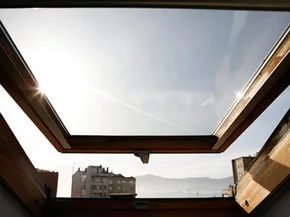
Bathrooms and kitchens are the usual suspects for skylight installation. In a bathroom, you get that bright, open feel without sacrificing the privacy you actually need. Kitchens make sense too. You spend hours there prepping meals, eating, and just hanging out. Flooding that space with natural light changes the vibe entirely, whether it’s a gloomy Tuesday morning or a late afternoon.
But getting up there? That’s where things get tricky.
Working around skylights requires serious caution. The risk isn’t just a long fall. It’s the debris. Broken glass or plastic shards are a major hazard. The stats are sobering. There are roughly 36 fatal falls through skylights each year. Then there are about 50 nonfatal ones. Most of these happen during construction, but homeowners aren’t immune.
The American Architectural Manufacturer’s Association (AAMA) has a list of rules for staying alive up on the roof. First rule: if you’re not a trained professional, stay off the roof. Seriously. Most accidents don’t happen because someone casually steps through a pane. They happen because of uncovered openings and other roof hazards. If you must go up there, put up warning signs. Make it clear that something is different about this patch of roof.
For extra protection, install a skylight screen or railing. These cover the glass or plastic and stop accidental falls. They come in various models and sizes. Some clamp down; some fasten directly to the frame.
Most screens are dome-shaped. They fit over those bubble-style plastic skylights you see so often. Some are flat. Note that flat screens might block an operable skylight from opening. If you need to ventilate the room, check the design before you buy. Railings are more obvious. They’re bigger. But they’re a clear visual cue to anyone walking on the roof.
Positioning for Maximum Daylight
How you place the unit matters just as much as the size. A skylight facing east catches the morning sun. It wakes the house up. It’s bright, sharp, and immediate. A west-facing unit? That’s for the afternoon. It holds the light later into the day.
Think about when you use the room. If you’re baking bread at dawn, east is your friend. If you’re doing dishes after sunset and want that lingering glow, look west. It’s not just about light. It’s about how that light moves through your day.
You can find more details on daylighting devices or impact resistance standards in industry reports. The U.S. Department of Energy also has guides on glazing efficiency. But the basic idea remains: plan the location. Respect the fall hazards. And maybe don’t walk on the roof unless you have to.