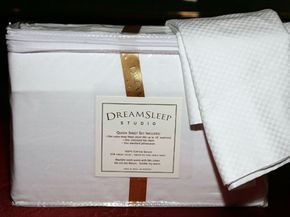
You probably think thread count is just a fancy way to charge more for sheets. It feels like a marketing trick. It isn’t. The term has strict federal standards behind it. So what is a good thread count for sheets? That question still matters. But the answer isn’t a higher number.
Technically, thread count is a scientific measurement. It counts the threads woven into one square inch of fabric. You count the vertical threads (warp) and the horizontal threads (weft). If you have 100 vertical threads and 100 horizontal threads, the total is 200. It is simple math.
“Anything above 400, though, will likely only provide a higher price tag.”
The industry sells us on the idea that more threads mean softer fabric. This assumption drives sales. A sheet with a 200 thread count is decent. One with 400 is noticeably softer. Go higher than that. You are mostly paying for the label.
How Manufacturers Inflate Numbers
How do we get numbers like 800 or 1,200? It seems impossible to fit that many threads into a single inch. You can’t. Manufacturers use creative math to inflate these figures.
They don’t just count the main thread. They count the individual fibers twisted together to make that thread. These are called plies. A single strand might be made of four plies twisted together. One manufacturer counts this as one thread. Another counts it as four.
This practice distorts reality. Consumer Reports tested this directly. They bought a set of queen sheets marked with a manufacturer-stated thread count of 1,200. The sheets cost $280. An independent textile lab counted the actual threads. They found only 416 threads per inch. That is just 35 percent of what the box claimed.
The Federal Trade Commission noticed this discrepancy. The Textile Bedding Committee of the National Textile Association requested an investigation. Bed, Bath & Beyond faced a lawsuit for misrepresenting thread count. They settled in 2008. They offered refunds and discounts without admitting wrongdoing.
Quantity vs. Quality
Thread count is only half the equation. It does not tell you if the sheets will feel good against your skin. You need to look at the quality of the threads themselves.
Why does this distinction exist? Because thin, weak threads can be twisted tightly to create a high count. Thick, strong fibers create a lower count but a better product. You are trading durability for a inflated number.
What about Egyptian cotton? That is a separate conversation. The length of the staple fiber matters more than the weave density. Long fibers create smoother, stronger yarns. A lower thread count made from high-quality Egyptian cotton will outperform a high thread count made from short-staple cotton.
Don’t nod off just yet. The details of fiber quality change everything.
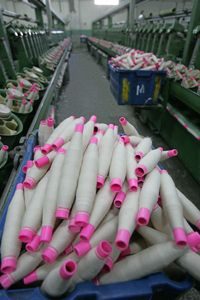

High thread counts mean absolutely nothing if the fibers themselves are trash. You can have a sheet labeled with a number that sounds impressive on the tag, but if those threads are weak or twisted, the fabric will feel rough and wear out fast. Quality cotton depends on a mix of factors. Fiber quality matters. Yarn size matters. The finishing process matters. So does the actual construction.
A sheet with 200 threads of premium cotton often feels softer against your skin than one with 400 threads of inferior material. The twist in the yarn can make a huge difference. It changes the hand feel instantly.
Fiber Length and Processing
In the cotton world, fiber length is the real indicator of quality. Look at Egyptian cotton. Its fibers, called staples, are longer than almost any other variety. Longer staples create stronger threads. Stronger threads mean a fabric that lasts longer and feels smoother over time.
How do you get that long fiber? It starts with carding. This process works out the smaller, weaker fibers, leaving only the longer, better ones behind. Then comes combing. That step removes even more short fibers. After that, the clean, long cotton gets spun into threads.
Once woven into fabric, it goes through two critical steps. First is singeing. This burns off surface fuzz. That fuzz would otherwise turn into pills on your sheets and ruin the smooth feel you paid for. Second is mercerizing. This happens under pressure. It increases the strength of the fabric and helps it accept dye more evenly.
Finding the Sweet Spot
The days of blindly chasing inflated numbers are ending. Consumer awareness is finally catching up. When you shop for sheets, aim for a thread count between 200 and 400. Experts agree that paying extra for anything above that range is a waste of money. You aren’t buying better sleep. You are buying marketing.
With that in mind, you are ready to find the best bed sheets for your budget and needs. Stop worrying about the big number on the label. Start looking at the material.
Common Thread Count Questions
What does “thread count” actually mean?
It is the total number of vertical and horizontal threads in one square inch. If you have 50 threads going one way and 50 the other, your thread count is 100. For sheets, this number usually correlates with softness, up to a point.
What is considered good-quality sheeting?
High-quality sheets use finer threads woven tightly together. This boosts both durability and price. You want at least 200 thread count for good quality. That is typical for standard cotton. Higher counts range from 300 to 800. But 300 to 500 is the common sweet spot for Egyptian cotton, sateen weaves, and bamboo blends.
Is Egyptian cotton worth the hype?
Yes. If you want super-soft, premium sheets, Egyptian cotton is a top choice. These sheets usually range from 300 to 400 thread count. They are known for being luxurious, breathable, and long-lasting.
What thread count do luxury hotels use?
Hotels don’t care about a single limit on thread count or price. Most use sheets around 250. High-end hotels often go for 300. Some luxury properties use 600 or even 800. It varies wildly by brand. But remember, spending more doesn’t always mean better sleep. It only helps up to a certain point.
What thread count keeps you cool?
Thread count has very little to do with cooling. Material matters way more. If you sweat at night, look for lightweight fabrics. Bamboo, linen, and certain cotton blends are great choices. Some brands now sell specific “cooling” sheets that prioritize airflow over density.