You open the door. A guest steps across the threshold. They might see the hand-painted sideboard. They might admire the hardwood floors that took you three weekends to refinish. They might even compliment the foyer arrangement.
But if the air smells like wet dog and damp basement mold, none of that matters.
Smell is primal. It bypasses the logical part of your brain and hits the emotional center instantly. A foul odor overrides sight, sound, and touch. It creates an immediate, visceral judgment. You can have a museum-quality living room, but if it smells like neglect, the guest feels unwelcome. And let’s be honest. You have to live here. The scent profile isn’t just for show. It’s for you.
Choosing Your Signature Scent
There is no single “correct” way to make your house smell good. It’s subjective. It’s personal. It’s tied to memory and geography.
Market research consistently points to vanilla as the dominant favorite among air freshener users. It’s warm. It’s comforting. It smells like baked goods before you even bake them. Lavender is another strong contender, offering a floral note that suggests calm.
If you prefer sharp and clean, citrus rules. Lemon. Orange. Grapefruit. These scents feel fresh, almost clinical in their cleanliness. But context matters. Where you live shapes what feels “right.” A home in a sunny, breezy coastal town might lean toward bright citrus. A cabin in the cold mountains? Pine. Cedar. Earthy notes that match the landscape outside.
“Smell is a very powerful sense, and it can override your other four senses if something foul wafts your way.”
The Language of Scent
We used to be more intentional about this. In Victorian times, floriography—the language of flowers—was a coded system for communication. You couldn’t always say “I love you” or “I’m sorry” with words. You sent a bouquet.
A gerbera daisy meant “cheer up.” A sunflower signaled congratulations. A lily whispered “you’re a dear friend.”
You can apply this logic to your home’s atmosphere, even if you aren’t arranging bouquets. It’s about conveying a mood. Are you trying to welcome someone with energy? Go bright. Are you trying to soothe a stressed guest? Go soft and floral. Or get creative. Blend your own welcome scent. Use essential oils. Combine dried herbs. Make it unique to your space.
Plug It in and Light It Up
The easiest way to control this atmosphere is with plug-ins and candles. They are consistent. They require minimal effort.
Plug-in diffusers offer a steady, low-intensity release of fragrance. They are silent. They don’t produce soot. They are ideal for hallways, bathrooms, or bedrooms where you want a background note that lingers without overwhelming.
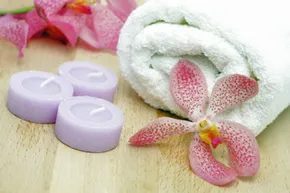
Candles provide both scent and ambiance. The flicker of a flame changes how a room feels. But safety is non-negotiable. Never leave a burning candle unattended. Keep them away from curtains, pets, and children. Use sturdy holders. Trim the wick to half an inch before lighting to prevent sooting and uneven burning.
For a stronger impact,
Air fresheners aren’t a one-size-fits-all solution. Your choice depends entirely on the intensity you want and how much effort you’re willing to put in.
If you need heavy-duty freshness, the store-bought route is straightforward. You can grab gelatinous discs hidden in decorative plastic containers. Or plug in a device that heats scented oils against a wall outlet. These are reliable. They work. But they come with synthetic ingredients.
Candles are another option. Sprays. Oil diffusers. Even pricey air purifiers that circulate scented air. All of these get the job done fast. They just might not sit well with your conscience or your lungs.
Natural Alternatives for Cleaner Air
The Earth mother in you might prefer something gentler. Or you might just hate the smell of artificial lavender.
Incense fills a house quickly. It’s potent. But it produces smoke. If you have respiratory issues or just dislike ash floating in your living room, skip it.
Essential oils are the better bet. Extracted directly from plants, they deliver potent scent without synthetic fillers. You aren’t just masking odors. You’re introducing actual botanical profiles into your space.
Soy candles are worth the extra cash. They burn cleaner than petroleum-based paraffin wax. And they often use essential oils for scent. Less soot. Better air quality.
You can also make your own spray. Mix essential oils with water in a bottle. Shake it up. Mist it around. Simple. Effective. Cheap.
Let Nature Do the Heavy Lifting
The most authentic way to scent your home is to let nature handle it. Use flowers.
Buy a bouquet from your local florist. Or grow your own. Tying your property’s landscape to your interior design is harmonious. It feels intentional. It feels expensive. Even if it’s free.
Clip some magnolia or honeysuckle blooms. Throw them on the kitchen counter. Place them on the dining table. The scent lingers. It doesn’t feel forced.
For an earthier vibe, look outside. Fresh pine needles. Rosemary sprigs. Cedar branches. These materials have a rugged, grounded scent that works well in rustic or modern homes alike.
Kitchen Hacks for Citrus Scents
Citrus is powerful. And it’s already in your kitchen.
You don’t need a candle to smell like lemon. Peel a large orange. Eat it. Leave the rinds in a bowl on the counter. The oils in the skin evaporate slowly, filling the room with a bright, clean aroma.
Or take a more aggressive approach. Toss citrus rinds into the garbage disposal. Run the water. Turn on the disposal.
The blades chop the rinds. The water carries the scent down the drain. It also cleans the blades. And it leaves the kitchen smelling like a citrus grove.
It’s messy if you spill. But the result is instant freshness. No chemicals. No electricity. Just fruit.
Why This Matters
Synthetic air fresheners often contain volatile organic compounds (VOCs). These can aggravate allergies. They can trigger asthma. They can make you feel sluggish.
Natural methods avoid these pitfalls. Essential oils have therapeutic properties. Flowers provide visual appeal alongside scent. Citrus peels are free