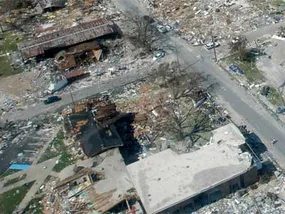
The scale of the insurance industry’s response to Hurricane Katrina and Rita remains staggering. It was the worst natural disaster the sector has ever faced. Insurance companies processed 1.7 million claims totaling $40.6 billion in damages. They also handled roughly 682,000 claims for damaged or destroyed vehicles.
Despite the chaos, the industry held up. Only 2 percent of claims remained in some form of dispute. Millions of homeowners returned to their lives because they had a safety net. Many others did not. They faced poor FEMA responses or inadequate coverage. The lesson is clear. You cannot rely on aid agencies alone. You need a private safety net.
Why You Need Homeowners Insurance
Homeownership is expensive. It is easy to view insurance as just another bill to ignore. It is not useless. It is essential.
A solid policy saves you money when disaster strikes. It also helps you prepare. Some companies offer advice on making your home more resistant to natural disasters. Think hurricane straps or reinforced roofing.
There is also a practical requirement. Most mortgage lenders force you to carry coverage. They will not lend you the money otherwise. If you live in a condo or co-op, your association may also mandate it. Even if you own your home outright, skipping insurance is a gamble with your biggest asset.
Consider liability. You invite guests over. They trip on a loose tile on your patio. They break an ankle. You could be sued for medical bills. A good policy covers this. It handles legal action. It pays for the injured guest’s treatment. Without coverage, you pay out of pocket.
How Homeowners Insurance Policies Work
Homeowners insurance is not one-size-fits-all. There are different forms. The most common is HO-3. It covers your structure against all perils except those specifically excluded. It covers your personal property on a named-peril basis. That means you need to check the list. Fire? Yes. Theft? Yes. Earthquake? Probably not. You need a separate rider for that.
Then there is HO-5. It is more comprehensive. It covers your personal property on an “open perils” basis. Everything is covered unless it is explicitly listed as excluded. It costs more. For a new home in good condition, it might be worth the extra premium.
HO-6 is for condo owners. It covers your interior walls and personal belongings. The building’s master policy usually covers the structure and common areas. You need to read your association’s bylaws. You might need a policy that covers better than the master policy.
HO-8 is for older homes. These are often historic properties. The cost to rebuild might exceed the market value. This policy pays based on actual cash value rather than replacement cost. It is less expensive but offers less protection.
What Does Homeowners Insurance Cover?
Your policy typically breaks down into four main areas. Knowing what is inside each bucket saves you from surprises later.
1. Dwelling Coverage
This pays to repair or rebuild your house. It covers the structure itself. Walls, roof, attached garage. It also includes built-in appliances like your oven or dishwasher. If a storm rips your roof off, this is the money that fixes it.
But there are limits. Some policies have “built-in” exclusions. Floods are rarely covered under standard policies. You need separate flood insurance. Earthquakes are usually excluded too. Landslides? Often excluded. You must check your specific policy language.
2. Other Structures
This covers detached structures on your property. A shed. A fence. A detached garage. A treehouse. It usually covers about 10 percent of your dwelling coverage limit. If you have $300,000 in dwelling coverage, you might have $30,000 for other structures.
3. Personal Property
This covers your stuff. Furniture. Electronics. Clothes. It covers them when they are on your property. It also covers them while they are away from home. If your laptop is stolen from your car, this might pay.
There are two valuation methods here. Replacement Cost Value (RCV) pays what it costs to buy new. Actual Cash Value (ACV) pays what your old items are worth. ACV deducts for depreciation. A five-year-old TV is worth a fraction of a new one. RCV is better. It costs more in premiums, but it is less painful when you

Most people don’t read the fine print until the pipe bursts.
But if you own a house, you are likely looking at an HO-3 policy. It’s the industry standard. It’s what most insurers push because it balances broad protection with manageable premiums.
This isn’t just a blanket for your bricks. It covers the structure itself. It covers your stuff—furniture, electronics, clothes. And it covers you. If someone slips on your driveway and sues, this policy steps in. It handles personal liability.
There are nuances.
Floods? Not included. Earthquakes? Also excluded. You need separate riders for those. Pets causing damage? Usually covered. Fire? Covered.
But here is where homeowners get tripped up.
Insurance is not a maintenance plan.
It does not fix a leaky roof because you ignored it for ten years. It does not replace carpet worn down by foot traffic. General wear and tear is your responsibility. So is poor maintenance.
A solid policy also pays for “other structures.” That’s the shed. The detached garage. The fence.
And it includes “loss of use.”
If the house burns down, you aren’t sleeping in a tent. The policy covers hotel bills and meals while you rebuild.
The limits vary.
One insurer might cap your personal property at $200,000. Another might offer $500,000. You have to check the declarations page.
Liability Limits
This is the part people ignore until they are being sued.
Your HO-3 policy includes personal liability coverage. This pays if someone is injured on your property. Or if you accidentally damage someone else’s property.
There is a limit.
Standard policies often start at $100,000.
That sounds like a lot. It isn’t.
A single slip-and-fall lawsuit can easily exceed that. Medical bills add up. Legal fees add up. Settlements add up.
You can increase this limit.
Insurers offer higher tiers. $300,000. $500,000. Even $1 million.
Is it worth it?
Consider the cost. A higher liability limit usually costs only a few extra dollars a month.
The peace of mind is concrete.
If you have significant assets, you need more coverage. A lawyer can tell you why. If you have a pool, a trampoline, or dogs, you need more coverage.
Some homeowners buy an umbrella policy.
This sits on top of your HO-3. It kicks in when the underlying limit is exhausted.
It’s cheap for the amount of protection it provides.
Don’t guess your needs.
Look at your net worth. Look at your future earnings.
Then decide.
A $100,000 limit might be enough for a first-time buyer with a modest condo. It is not enough for a family with a busy backyard.
Check the exclusions.
Some policies exclude certain dog breeds. Some exclude home businesses.
Read the policy.
Then read it again.
You are looking at the liability limit. It is the number that matters most if disaster strikes your property. These caps usually start at $100,000. You can buy higher. Most experts suggest aiming for $300,000 to $500,000. The right amount depends on your home’s value.
When people discuss their coverage amount, they mean rebuilding costs. Not the purchase price. Land value does not factor into reconstruction. Materials and labor do. You can estimate this quickly. Multiply your total square footage by the local building cost per square foot.
How to Calculate Coverage for Structures and Contents
Your main dwelling gets the full liability limit. Other structures get less. A garage or shed usually covers 10% of that amount. Personal belongings get 50% to 70% of the home’s coverage. This is standard.
Loss of use is another piece. If damage forces you out, the policy pays for hotels and food. Most plans cap this at 20% of your home’s liability limit. Some policies offer unlimited living expenses. They limit the time instead. You get the money, just not forever.
Why Your Rebuild Cost Differs from Market Value
Many homeowners confuse market value with replacement cost. They are not the same. Land is valuable. It does not burn.
If you underestimate your rebuild cost, you face a penalty. Insurance companies use coinsurance clauses. You might pay a portion of the damage yourself.
Check your local construction rates. Labor prices change. Material prices change. Update your policy annually. A $300,000 house might cost $250,000 to buy. But it could cost $350,000 to rebuild.
What Happens When You Need to Stay Elsewhere
Disaster strikes. The kitchen is gone. You need a place to sleep. Most plans cover temporary housing. This is called “additional living expenses.”
It covers:
– Hotel bills
– Restaurant meals
– Utility differences
The cap is typically 20% of your dwelling coverage. If you have $300,000 in coverage, you have $60,000 for living costs. Some policies remove this cap. They limit the duration instead. Two years is common.
Protecting Your Belongings
Your stuff is covered. But the limit is lower. Personal property usually gets 50% to 70% of your home’s value.
High-value items need extra attention. Jewelry. Art. Electronics. Standard policies have sub-limits. You might need a rider. Or a scheduled personal property policy.
Check your inventory. Take photos. Keep receipts. When you need to file a claim, you need proof.
Final Thoughts on Limits
Start with the rebuild cost. Not the sale price. Add up your structures. Add your belongings. Add living expenses.
Does your current policy cover it all? Or are you underinsured?
The numbers change. Costs rise. Your coverage should too.
Replacement cost vs. actual cash value
You will likely face a choice between replacement cost and actual cash value. This decision hinges on what you own.
Look at your electronics. Do you have a flat screen TV that rivals your age? Maybe an old laptop borrowed from work. If that gear breaks, actual cash value covers depreciation. You get pennies on the dollar. You won’t miss the TV anyway. You can take that payout and buy a cheap replacement.
Your neighbor has a different setup. Plasma screens. Surround sound. DVD players in every room. She needs replacement cost coverage. It pays for a new version of the item. No depreciation deductions.
Electronics lose value fast. A replacement cost policy offers a massive advantage here.
But it isn’t just about gadgets.
Check your collection of signed prints. What about the stamp collection? Those original Pearl S. Buck manuscripts are originals. Costly collectibles can be worth more than the latest tech. Replacement cost coverage is usually 10 percent pricier than actual cash value. For high-value items, that extra cost is justified.
Umbrella policies and excess liability
Standard liability limits might not be enough. You can raise those limits by paying a higher premium. Sometimes that works. Other times, you need more.
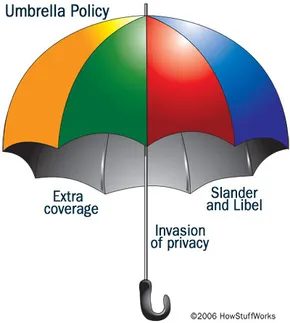
An umbrella or excess liability policy steps in after your standard homeowners insurance limit is hit. It pays out money. Some policies also cover invasion of privacy, slander, and libel.
Requirements vary. Most carriers require $300,000 in standard coverage before offering an umbrella policy. The higher your base coverage, the cheaper the umbrella premium becomes.
An umbrella policy offering $1 million in extra protection costs about $200 to $350 annually.
Special personal property floaters
Standard policies often exclude specific high-value items entirely. A special personal property floater or endorsement fixes this. You insure items individually or in groups.
There is typically no deductible. The premium depends on the item, its value, and your location. You need proof of value. An appraisal or a recent receipt will do the trick.
Natural disaster gaps
Most standard policies exclude earthquakes and floods. If you live in a prone area, you need special policies for these events.
Other disasters like tornadoes and hurricanes are often covered. Check with your carrier. If you live in a risk zone, consider a special policy anyway. Better safe than sorry.

You’ve decided you need coverage. Maybe your current policy isn’t cutting it. Or maybe you’re just starting out. The landscape of carriers is huge. Dozens of companies operate in every single state. Picking one feels overwhelming.
Your state’s insurance department is a good starting point. They have data on prices. They know the local laws. Use that.
But don’t just look at numbers. Look at your house. Really look at it.
Is your area prone to storms? Floods? Crime? Water damage history? These aren’t just details. They’re risk factors. A professional home inspection helps here. It finds lurking problems you missed. It shows where you need retrofitting. Fixing those issues before you buy insurance can lower your premiums. It’s a small upfront cost for long-term savings.
Finding a Reputable Carrier
Once your home is in good shape, start looking. Talk to neighbors. Ask friends. If you’re buying a new place, ask the seller or realtor for recommendations.
Crucially, verify the carrier is licensed in your state. Check their financial strength. Ratings from agencies like Ambest, Moody’s Investor Services, and Fitch Ratings matter. You want a company that can actually pay out if disaster strikes.
Don’t just stick with the brand you know. Shop around. Some carriers sell through agents. Others go direct to you online or over the phone. The options are endless.
Factors That Drive Up Your Premium
A $1 million policy might cost only a few hundred dollars a year. Sometimes less. But what drives that price?
Insurance companies look at a lot of variables:
- Disaster propensity in your area
- Building materials (brick vs. wood)
- Construction costs (labor and materials)
- Neighborhood crime stats
- House size and special amenities
- Overall condition of the home
- Distance to the nearest fire hydrant and station
Even the type of fire department matters. A volunteer crew might cost you more than a professional station close by.
Most of this is out of your control. But some isn’t.
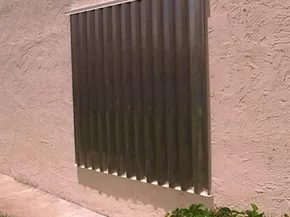
If you live in a hail-prone zone, invest in storm shutters. Install shatterproof glass. Make your home disaster-resistant. Reinforce the roof. Retrofit the foundation. These upgrades signal to insurers that you’re less likely to file a claim. Less risk. Lower premiums.
Why Your Policy Rate Might Increase
It’s not just about physical risk. Market forces play a role too.
Watch out for these triggers:
- A stock market decline
- Major catastrophes in a single year
- A spike in claims filed with your provider
- Jumps in building material or labor costs
These can lead to higher rates or reduced coverage availability. You can’t control the market. But you can control your own policy mechanics.
How to Lower Your Homeowners Insurance Costs
Keeping your house in good shape is step one. Step two is security and strategy.
Install a burglar alarm. Add other security devices. It lowers theft risk. It often lowers premiums.
Your credit score matters. Maintain a good record.
Bundle your services. Get auto and home insurance from the same carrier. It’s a simple move that sticks.
Stay with the same carrier for years. Loyalty can pay off.
Consider raising your deductible. This is the minimum amount you pay out of pocket before insurance kicks in. A higher deductible means a lower premium. Balance the risk against the savings.
If you’re currently on a government-backed plan, look at private carriers. They’re often cheaper. They offer more options.
Retired? Some companies give discounts. They believe you have more time to maintain your home.
It’s a balancing act. You’re managing risk while managing costs. There’s no perfect setting. Just the right one for your situation and budget.
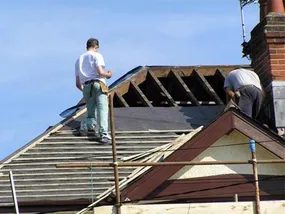
Stop before you dial the insurance hotline.
That’s the first rule of thumb. Insurance carriers track your history. They notice patterns. File too many claims, even for small incidents, and your rates will spike. Some companies will simply drop you.
It doesn’t matter if you’ve been a model policyholder for a decade. One claim for water damage or mold can stick to your record like tar. These are high-frequency claims. Insurers are flooded with them.
Here is the math you need to run.
If the repair costs $1,000, does it make sense to file? Probably not. You risk raising your premium by more than that amount for the next three to five years. The deductible alone might eat up half the cost. Pay out of pocket.
Keep the receipt. Fix the leak. Move on.
But if the damage is catastrophic? Use your insurance. That’s what you’re paying for. The goal is to keep the claims light. A clean record is a valuable asset. It keeps your long-term costs down.
Never Stop Monitoring Your Policy
Buying the policy is not the finish line. It’s the start.
You need to maintain your home aggressively. Minor repairs prevent major disasters. A small leak becomes a rotted beam. A cracked window lets in moisture. Fix it now.
Review your policy annually. Don’t just auto-renew. Look at the coverage limits. Does it still match your home’s value?
Check for an inflation guard policy. Some insurers offer this feature. It automatically adjusts your coverage limits when you renew. It accounts for rising construction costs. Without it, you might be underinsured if material costs jump.
Update your home inventory every year. Reappraise valuable items. Jewelry? Art? Electronics? Values change.
What About my Stuff?
Your home protects the structure. It doesn’t fully protect your stuff.
If you worry about your possessions, take action now. Create a detailed inventory. This is non-negotiable for high-value items.
Start with receipts. Save them for big-ticket purchases. Laptops, cameras, fine furniture.
If you lost the receipt, take photos. Video works better. Walk through each room. Show items from multiple angles. Show serial numbers. Get a close-up of the brand tag.
Store this evidence safely.
- Fire-proof safe at home
- Safety deposit box at a bank
- Encrypted cloud storage
Some personal financial software has built-in cataloguing features. Use them if they fit your workflow.
Know the limits.
A standard homeowners policy has low sub-limits for theft. Usually around $1,500. That covers very little if your entire electronics setup is stolen.
You can raise this liability limit. Or buy a separate rider. For expensive jewelry or collectibles, a separate policy is often smarter. It covers you beyond the standard cap.
Homeowners Insurance Challenges

When Standard Carriers Say No
Getting a quote is one thing. Actually securing a policy is another story entirely.
You might find yourself staring at a “denied” notice. It happens. If you are in a high-risk zone, carriers get nervous. Severe weather is one trigger. High crime rates in urban centers are another. Your house itself might be the problem. Old plumbing. Failing heating systems. Outdated electrical wiring.
These issues are fixable. Usually. But if the insurer sees too much risk, they walk away.
So what do you do when the market closes its door?
First, look at the brick and mortar. Can you upgrade the systems they flagged? Fixing known hazards often opens the door back up.
If the location is the issue, change your strategy. Are you buying a new place? Ask the realtor. Find out which companies actually write policies in that zip code. Did you just close on a home? Call the previous owners. Ask who insured their place. Word of mouth beats cold calling insurance hotlines every time.
Last Resort Coverage Options
When standard underwriters refuse to cover your property, you have to look at the safety nets. These programs exist specifically for situations where the free market fails.
The FAIR Plan
For unusually high-risk areas, the Fair Access to Insurance Requirements (FAIR) Plan is your primary option.
Created in the 1960s, this plan is a state-mandated facility designed to help homeowners who cannot get coverage elsewhere. The Insurance Information Institute maintains detailed lists of participating states and specific plan details.
Keep in mind the scope. These plans are not comprehensive. They typically cover:
– Fire
– Vandalism
– Riot
– Windstorm
They do not cover everything. Floods are usually excluded. Earthquakes are often out. You still need separate policies for those perils.
Also, availability is geographic. Not every state offers a FAIR plan. You have to check your specific state’s regulations to see if this safety net catches you.
Beach and Windstorm Plans
Geography matters here too. If you live in seven specific Atlantic and Gulf states, you might qualify for the Beach and Windstorm Plan.
This program targets hurricane and storm damage. It fills the gap left by private insurers who refuse to touch coastal properties during peak season.
It’s not a universal solution. It’s limited to specific regions and specific perils. But for those on the coast, it’s often the only way to insure the structure of the home against the most common threats.
The Reality of High-Risk Insurance
Insurance isn’t just a commodity you buy. It’s a risk assessment. If you are in a high-risk area, you are paying for certainty in an uncertain world.
Fix what you can. Ask who else insured the house before you. Look into FAIR plans if you are in a designated high-risk zone. Check for Beach and Windstorm coverage if you are near the coast.
It’s messy. It’s expensive. But it’s better than sleeping with nothing but a mortgage.
Dealing with Coverage Gaps and the CLUE Report
Finding a standard insurer can be a nightmare if you have a shaky claims history or a house in poor condition. The Institute for Business & Home Safety (IBHS) is a nonprofit that might be your best ally here. They don’t write checks for premiums, but they provide the technical know-how to harden your home against natural disasters.
The expertise IBHS provides can help to improve the condition and safety of your home, which in turn can boost your chances of finding an insurer.
Focus on their “Maintenance Matters” section. It’s a practical guide to projects that stop small issues from becoming uninsurable disasters. If you’re struggling to get quotes, start there.
How Homeowners Insurance Evolved
At its core, insurance is just risk distribution. You pool resources so one person’s tragedy doesn’t equal total bankruptcy. This isn’t a modern invention. Ancient Chinese farmers didn’t put all their crops on one boat. They split shipments across multiple vessels. If one ship sank, the loss was spread across the group.
By the 13th century, European merchants were signing contracts with wealthy backers to cover lost ships. It was a primitive form of liability coverage.
Benjamin Franklin pushed this concept further in 1735. He argued in a Pennsylvania Gazette letter that “an ounce of prevention is worth a pound of cure.” He wanted better fire services in Philadelphia. By 1752, his Union Fire Company helped form the Philadelphia Contributionship. It was the first insurance company in the American colonies.
Prevention still matters. Regular maintenance paired with a solid policy is your best defense against financial loss.
What You Need to Know About CLUE
You need to understand the CLUE report. It stands for Comprehensive Loss Underwriting Exchange.
It is an industry-wide database. Insurance companies share data through it. They track your claims and damage history. The original intent was fraud prevention. It was meant to catch people with excessive claims.
Now it is used against ordinary homeowners. A single minor water damage claim can flag your file. Insurers may drop you or refuse to bind coverage. It can also make selling your home difficult. Your property becomes “marked” in the system.
You can request a free copy of your CLUE report from ChoiceTrust. Check it before you shop for policies. If there are errors, fix them now.
Common Homeowners Insurance Questions
What does homeowners insurance not cover?
It does not cover poor maintenance. General wear and tear are excluded. If you ignore a leak until the roof collapses, the policy won’t help.
Who are the top rated insurers?
According to the J.D. Power 2020 U.S. Home Insurance Study, the top five are:
– COUNTRY Financial
– Amica Mutual
– Auto-Owners Insurance
– Erie Insurance
– The Hartford
What is the average cost?
ValuePenguin reports the average cost is $1,445 per year. That breaks down to roughly $120 per month.
How much does Allstate cost?
Expect to pay about $1,680 annually for Allhome coverage, according to Policygenius. Prices vary by location and coverage limits.
What does a typical policy cover?
It covers your structure and contents against damage and theft. It includes personal liability if someone gets hurt on your property. It also covers damage caused by pets.
Most major disasters are included. Floods and earthquakes are not. You need separate policies for those.