Your air conditioner is the obvious answer to keeping your house from turning into an oven. But let’s be honest. The roof takes the direct hit. All that solar radiation slams into the shingles first. If your roof material is absorbing heat, you are essentially paying to cool your attic space before it even reaches your living room.
Think about a black fabric chair. You leave it in the sun for ten minutes. Come back, and it’s burning your thighs. It holds that heat. It radiates it downward. Now think about a metal chair or a clay tile. It might be warm to the touch, but it doesn’t hold the energy the same way. It sheds it. Traditional asphalt shingles are the fabric chair of roofing. They absorb, store, and transfer heat straight into your insulation.
This isn’t just about comfort. It’s about cost. Even the US Energy Secretary has floated the idea that painting every roof and road white could cut AC costs by 10–15 percent. Is it that simple? Not exactly. But the principle holds. Light colors reflect. Dark colors absorb. The materials you choose dictate how much energy your HVAC system has to fight against.
Before you climb a ladder and slap on some patio paint, look at the proven options. These are the methods that work in hot climates without requiring a complete teardown.
Cool-Roof Coatings and Radiant Barriers
You don’t always need new shingles to stop the heat. Sometimes you just need a shield. This is where overlays come in.
Elastomeric sealants, foam sprays, and ceramic paints are becoming standard in warmer zones. They act like a sunscreen for your roof. Instead of letting the sun bake the asphalt, these coatings reflect the rays back into the atmosphere. Some even use recycled waste cooking oil as a base. It sounds strange, but the chemistry works. It creates a barrier that reflects heat.
“Technology is bringing cover-ups to roofing as well. These cool-roof coatings have advanced in recent years, and more developments are underway.”
The process often involves Built-Up Roofing (BUR) techniques. You layer these sealants over existing asphalt or tar. The result? A reflective surface that stays cooler.
But what about the heat that still gets through? That’s the job of the radiant barrier. This isn’t an overlay. It’s a sub-roof system. You install it under the roofing material, usually in the attic space between your interior walls and the roof deck. It’s typically aluminum or a specialized reflective spray.
It acts as a mirror. Heat hits it and bounces back up, away from your living space. The cost varies wildly. You’re looking at roughly 15 to 75 cents per square foot for the material. If you add insulation to the mix, the price goes up.
Is it worth it? For many homeowners, yes. You might save around $200 a year on energy bills. That adds up. Especially in regions where summer temperatures stay high for months.
There are a few catches. Application matters. If you mess up the sealant layer, you trap moisture. You can rot your deck. You need to check local building codes. Some areas have strict requirements about reflective coatings. Consult a contractor. Don’t guess with your roof’s weatherproofing.
Recycled oil sprays are on the horizon. The American Chemical Society is working on formulations that adjust to the season. Reflect heat in summer. Capture it in winter. It’s still in development. But the trend is clear: we are finding smarter ways to block solar gain.
Slate Tile
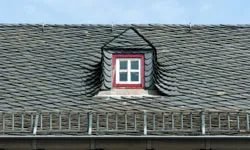
If you want durability that matches the physics of heat reflection, slate is the gold standard. It’s not just a color choice. It’s a material choice.
Slate tiles are heavy. They are dense. They don’t absorb water easily, which means they don’t hold heat through moisture retention like some lighter materials might. When the sun hits slate, it reflects a significant portion of that energy. The tiles stay relatively cool compared to asphalt shingles.
The aesthetic is timeless. But the installation is complex. You need a structurally sound roof deck. Slate is brittle. It breaks if you step on it wrong. It requires specialized nails and flashing.
But if you are building for the long term—decades, not years—slate pays for itself. It lasts a hundred years or more. It doesn’t degrade under UV radiation the way asphalt does. It doesn’t crack from thermal expansion as easily as plastic composites.
For homeowners in hot climates, a slate roof is a one-time investment that lowers cooling loads every summer. It’s heavy, sure. You need to verify your framing can handle the load. But the thermal performance is unmatched by many synthetic alternatives.
8: Terra Cotta and Clay
If you are chasing that sun-baked, Mediterranean aesthetic, terra cotta is the move. It is not just a color; it is a material built from the earth itself. Clay tiles have been dominating roofs in Spain, Italy, and parts of Latin America for centuries. They look warm. They age gracefully. But there is a catch. A big one.
Weight.
Clay is dense. Heavier than slate in many cases. Before you buy a single tile, you need to check your home’s framing. Most standard residential structures are not built to hold the load of a full clay roof. You might need to reinforce the trusses. This adds cost. It adds labor. It adds time. Do not skip the structural engineer.
How Terra Cotta Tiles Work
The process is simple in theory. Clay is molded, dried, and fired in a kiln. That firing process changes the molecular structure, making it hard and water-resistant. The result is a tile that can last over a hundred years. We are talking about the same material used in ancient aqueducts.
- Heat Reflection: Like slate, lighter earth tones reflect sunlight. This keeps the attic cool.
- Durability: Clay is resistant to rot, fire, and insects.
- Maintenance: Low. You mostly just need to check for cracked tiles after severe storms.
The Cost Reality
Here is where the dream meets the wallet. Terra cotta is expensive. Not just because of the material, but because of the installation. These tiles are brittle. They break easily if dropped. Workers move slowly. They treat each piece with care. That slowness drives up labor costs significantly.
If you live in an area without local clay deposits, shipping will crush your budget. Clay is mostly produced in specific regions. If you are in the Pacific Northwest or the Northeast US, you are paying for freight.
Reclaimed Options
Salvage yards sometimes have old tiles. They have character. The color is uneven. The edges are worn. Some homeowners love this look. Others hate it. It is a gamble. Finding enough consistent tiles for a whole roof is difficult. You might end up with a patchy roof that looks less like “rustic charm” and more like “poor planning.”
Installation Nuances
Installing clay requires a specific underlayment. You cannot just slap it on plywood. The tiles interlock or overlap in precise ways to shed water. If the pitch of your roof is too low, water can wick up under the tiles. Clay works best on steeper slopes. If your roof is flat or low-pitched, you might need special flat tiles or a different material entirely.
Which Clay Tile for Your Climate?
- Hot, Dry Climates: Terra cotta shines here. It handles the heat well. It breathes.
- Cold, Wet Climates: Be careful. Freeze-thaw cycles can crack clay if the tile is porous. Look for high-density, vitrified clay tiles. They absorb less water.
- Coastal Areas: Salt air is harsh. Clay is generally resistant, but the nails and fasteners holding it up can corrode. Use stainless steel or copper fasteners.
Tools You Will Need
If you are tackling this yourself, you need more than a hammer
The Mechanics of Terra Cotta Cooling
Think about the old houses in Seville or the haciendas in Mexico. They look baked by the sun, but inside, they stay cool. It’s not magic. It’s geometry.
Most of these structures use terra cotta. Basic clay is light-colored. It doesn’t soak up heat like black asphalt. But modern tiles? They get painted. Treatments mimic expensive slate or traditional red clay while adding reflective capabilities. The real trick is the shape.
“Space beneath the arch of each tile allows for air and water circulation and runoff, which prevents heat capture and keeps the home below cooler.”
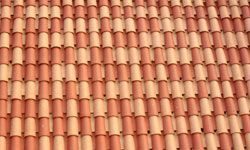
The tiles aren’t flat. They’re half-barrel or “S” shaped. They lock together into arches. Air moves underneath. Water runs off quickly. Heat bounces off and dissipates. The kiln-baking process makes them hard and less porous, too.
But there’s a catch. These roofs are heavy. You need concrete or stucco walls to support them. Solid foundations are non-negotiable. Wind and earthquake resistance matter, too.
And cold? Cold snaps clay. If you live where ice forms, check the durability ratings. Newer treatments help, but brittle tiles break under freeze-thaw cycles.
Concrete Tile for Warm Climates
Concrete tile costs less than slate. More than asphalt shingles. It’s a middle ground. Concrete is dense. It takes time to heat up. That slows down heat transfer into your attic. In warm weather, that’s a feature.
Some regions use poured concrete slabs for basic protection. Cheap. Effective against pests and storms. But as a finished roof? You want tiles. They’re easier to install. Still heavy, though.
The mix is simple: sand, water, cement. Baking it toughens it. It withstands rain and wind. Some European roofs are over 150 years old. They still work.
Color matters here. Concrete is porous. It takes dye. Use “cool colors.” They reflect more sunlight than dark reds or browns. Energy efficiency improves.
Hurricane Prep for Concrete Roofs
If you’re in Florida, don’t just nail them down.
Concrete tiles need specific securing methods to meet hurricane-force wind resistance. Standard installation isn’t enough. You need extra precautions. Consult minimum code requirements for your region’s environmental conditions.
“Batten down the hatches” isn’t just a phrase. It’s an engineering requirement for coastal zones.
Living Roofs and the Urban Heat Island
Cities are baking. Dark asphalt roads. Parking lots. Skyscrapers. They create an “urban heat island effect.” The materials soak up energy all day. Release it at night.
Painting everything white helps. But green roofs are better. They cool naturally.
A living roof has layers:
* Waterproof membrane
* Soil
* Vegetation
The soil temperature stays lower than asphalt. Plants release oxygen. Water runoff cools the building surface. The system protects the base roofing underneath, extending its life.
It’s not cheap. Expertise is scarce. But Germany leads with a published green roofing guide. Italy and Europe have used these techniques for decades.
Renzo Piano’s Approach
Architect Renzo Piano doesn’t just stack plants on a roof. He designs with the climate in mind.
The California Academy of Sciences in San Francisco is a prime example. It combines solar panels, green roofs, and insulation made from recycled denim.
“The design of the roof ‘is like lifting up a piece of the park and putting a building under it’.”
It’s thoughtful site planning. Ancient principles applied to modern high-tech buildings.
Solar Shingles vs. Panels
Reflecting heat is one thing. Storing it is another.
Photovoltaic (PV) systems capture solar power and turn it into electricity. You can store the energy outside your living space. No hotter attic. No wasted heat inside the house.
PV shingles come in traditional shapes. They don’t look like the bulky panels from the 1970s. Aesthetics have improved.
Cost is the barrier. Start-up investment is high. Performance will get better. Prices will drop. But location is a permanent factor.
Peak savings depend on sunny days. Will London and Seattle catch up to Phoenix and Athens? Maybe. But for now, the math only works in the sun.
Rubber Membrane Roofing: The Cool Tech You Didn’t Know You Needed
Wearing a black raincoat in July feels like a mistake. Let alone lying on a roof that acts like one. But this isn’t traditional black rubber. We are talking about single-ply membranes. They look like rubber. They behave like rubber. But they are actually cool technology.
Most of these are EPDM. That stands for ethylene propylene diene monomer. It’s a synthetic rubber. You’ll see it everywhere on commercial buildings. Why? It lasts forever. It’s a thermoset material. That means once it’s molded, it stays set. No going back. It comes in big rolls. You lay it down. You cover large areas fast.
Then there’s the thermoplastic option.
It’s different. It’s more flexible. If you need to shape it around a steeper slope, heat can reset it. That malleability matters. Both types share key traits. They are lightweight. They are tough. And they are white.
The white coating reflects the sun. It doesn’t let the heat soak into your structure. It creates an almost seamless barrier. Water can’t get through. It’s also a great base layer if you ever want to add green roofing later.
How EPDM and Thermoplastic Membranes Compare
When choosing between EPDM roofing and thermoplastic membranes, flexibility is the main divider. EPDM is rigid once installed. Thermoplastic can be heated and reformed. For flat roofs, both work. For slightly sloped sections, thermoplastic might be easier to install. But the payoff is the same: a waterproof shell that keeps your attic from becoming an oven.
White Barrel “S” Tile: Reflection Meets Airflow
Florida Power & Light tested concrete roofs. The conditions were brutal. Hot. Sunny. Humid. The result? White S-shaped tiles kicked heat out of homes.
They reflect about 74 percent of solar energy. That is a huge number.
These tiles mimic old-school terra cotta. They use the same raised arch design. Air circulates under the arch. That airflow pulls heat away. But here is the difference. Traditional terra cotta absorbs heat. Bright white concrete tiles reflect more rays by about 40 percent.
Installation feels familiar. If you know how to lay clay tiles, you know this process. But the performance is modern. The color does the heavy lifting. The shape does the rest.
Why Air Circulation Matters for Roof Cooling
It isn’t just about the color. The “S” shape creates a gap. Warm air rises and escapes through that gap. Cooler air gets pulled in. This passive ventilation system works with the reflective S-tile roofing to lower indoor temps. Without the airflow, even a white roof would absorb more heat. The combination is what makes it efficient.
White Flat Tile: High Reflectivity, Low Maintenance Hacks
Flat concrete tiles are another solid choice for warm climates. But look closer. There is a lighter version. It’s bright white. It’s made of ceramic, elastomeric materials, or a mix of fibers and cement.
Testing shows these flat tiles reflect up to 77 percent of the sun’s rays. That beats the barrel tiles by a few points. And they last. A lot.
But there is a catch. White shows dirt.
Power-washing isn’t a luxury here. It’s a necessity. If you let grime build up, the surface turns dingy. That dingy surface absorbs heat. You lose the reflective edge. Compared to traditional shingles, these tiles stay cleaner longer, but you still need to keep the surface bright.
Maintaining Reflective Flat Concrete Roofs
Regular maintenance is key. Hose it down. Pressure wash it. Do not let algae or dust settle in for years. The goal is to keep that white surface pure. If the reflectivity drops, your AC works harder. Simple upkeep protects your investment.
White Metal Roofing
Metal roofs have always been cool options. But white coatings change the game. They reflect nearly all solar radiation. The metal expands and contracts with heat. A white finish minimizes that movement. It also looks sharper. Modern profiles

White metal roofing sits in a weird middle ground. It isn’t the king of reflectivity. White flat tiles and barrel tiles actually outperform it, bouncing back about 66 percent of solar energy. That’s a solid number, sure. But it’s not the highest on the chart.
Here is the real advantage: thermal memory.
Metal cools down fast. When the sun sets, the heat doesn’t get trapped in the layers. It dissipates quickly. Other materials hold onto that warmth for hours. Metal lets it go. This makes a huge difference in how your home feels overnight and how much strain you put on your HVAC system the next morning.
The Cost and Climate Calculation
Most homeowners hesitate at the price tag. Metal roofing typically runs 20 to 30 percent more than traditional asphalt shingles. It’s a higher upfront hit. But the math shifts when you look at the full lifespan. You save on energy bills. You save on repairs. You save on maintenance.
Metal is a cost saver overall if you look at durability and energy savings, not just the initial invoice.
This balance tips heavily in your favor in warm climates. But only if you do it right.
Material choice matters. Most roofs are steel or aluminum. Copper is out there, but it’s for high-end budgets. Whatever you pick, it needs treatment. Corrosion resistance isn’t optional. It’s the difference between a roof that lasts twenty years and one that rusts out in five.
Installation is where things get tricky. Code standards for wind resistance aren’t suggestions. They’re rules. Placement matters. If you install white metal on a low slope without planning for glare, you might cool your attic but blind your neighbors. Reflected light bouncing into a driver’s eyes or a neighbor’s kitchen window isn’t “cool” for anyone. Angle your panels. Respect the sightlines.
Practical FAQ for Homeowners
Can I put cool-roofing materials on my current roof?
Yes. You don’t always need a full tear-off. Reflective coatings and overlays can go right over existing layers. Check with a local contractor to ensure the method meets your building codes. Not all roofs can support the extra weight or adhesive requirements.
How do green roofs compare to cool roofs?
They solve different problems. Green roofs (vegetated layers) absorb heat and release oxygen. They tackle the urban heat island effect and manage stormwater runoff, taking pressure off city drains. Cool roofs (like white metal) reflect heat. They keep the structure cooler. You can sometimes combine them, but they serve distinct purposes.
The Bottom Line for DIYers
If you’re considering this upgrade, measure twice. Cut once.
Check your local wind codes. Verify the corrosion treatment on your metal sheets. Plan the slope so you aren’t creating a hazard for others. And remember: a white metal roof isn’t just about reflecting the sun today. It’s about letting go of the heat by tonight.
That’s a different kind of comfort.